
Last updated November 25, 2026
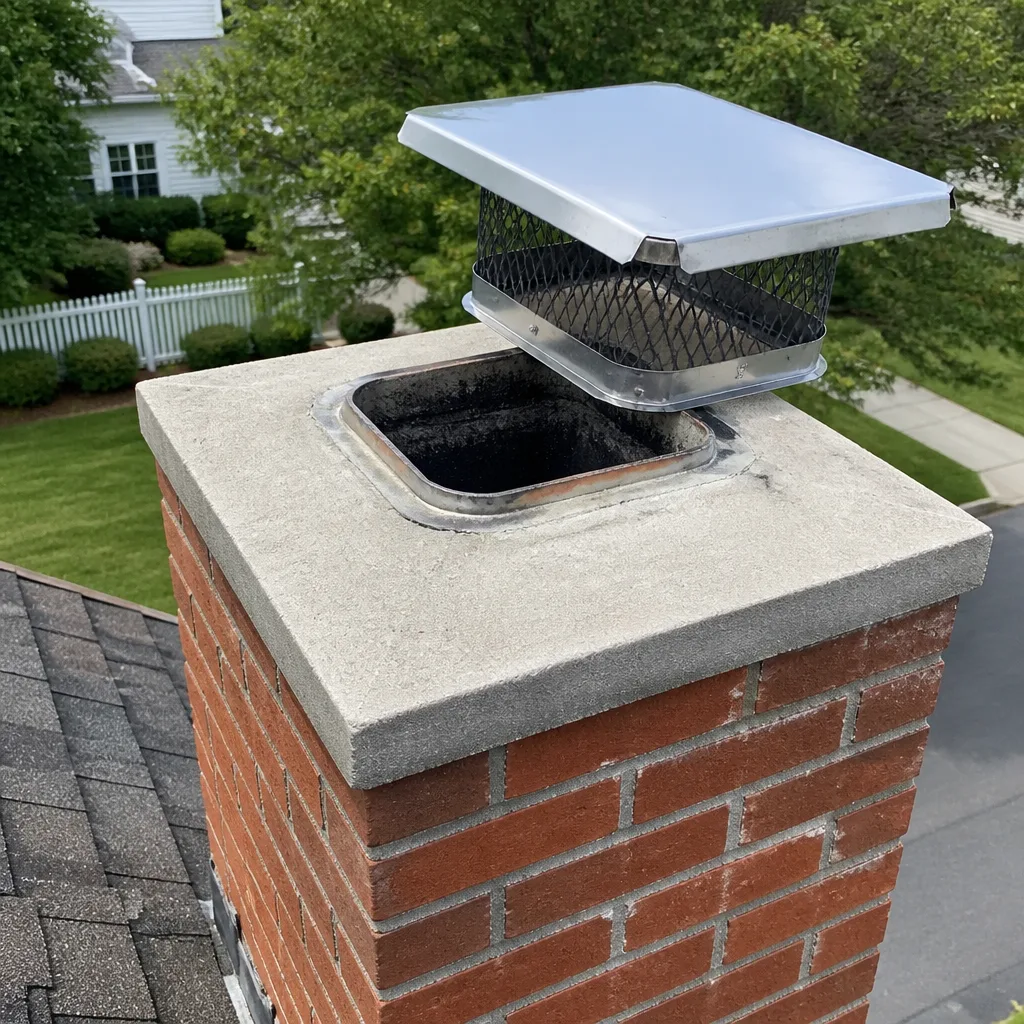 Sweep & inspection
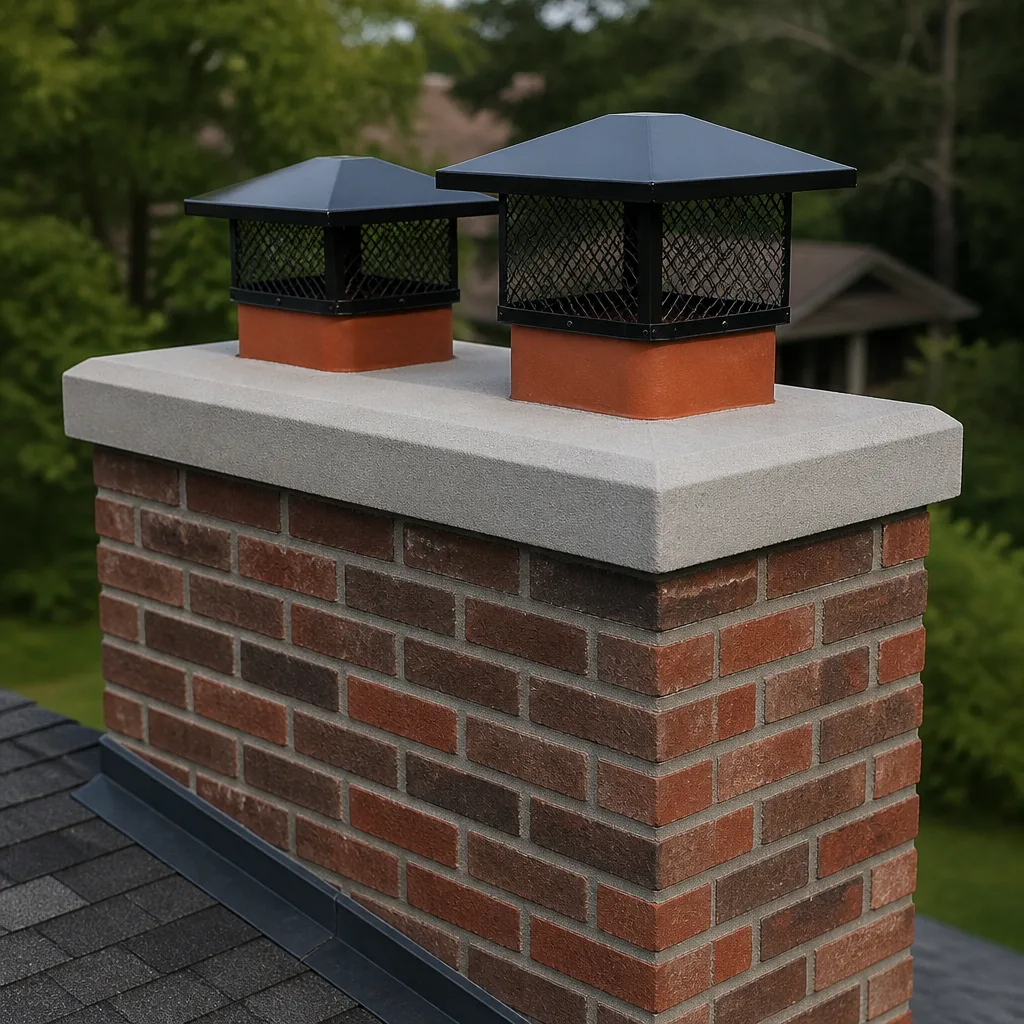 Caps & crowns
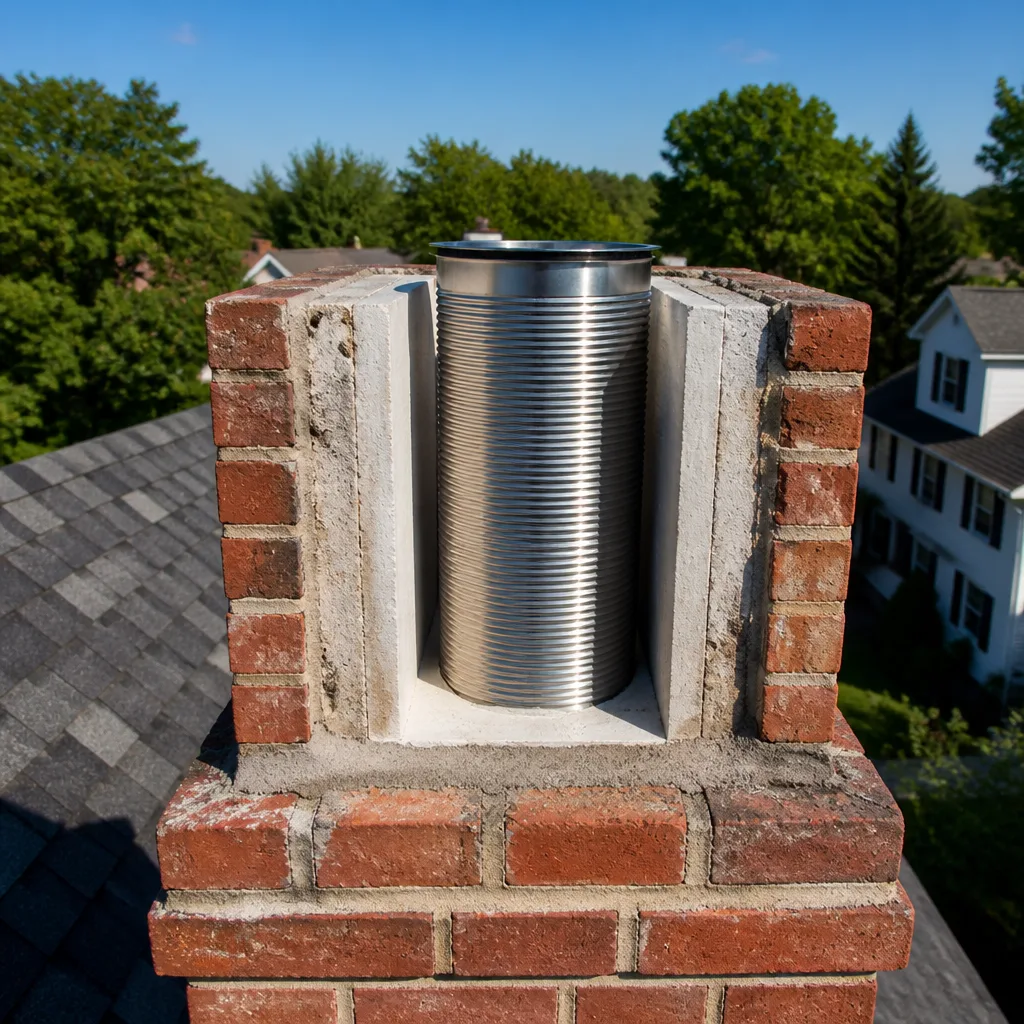 Flue relining
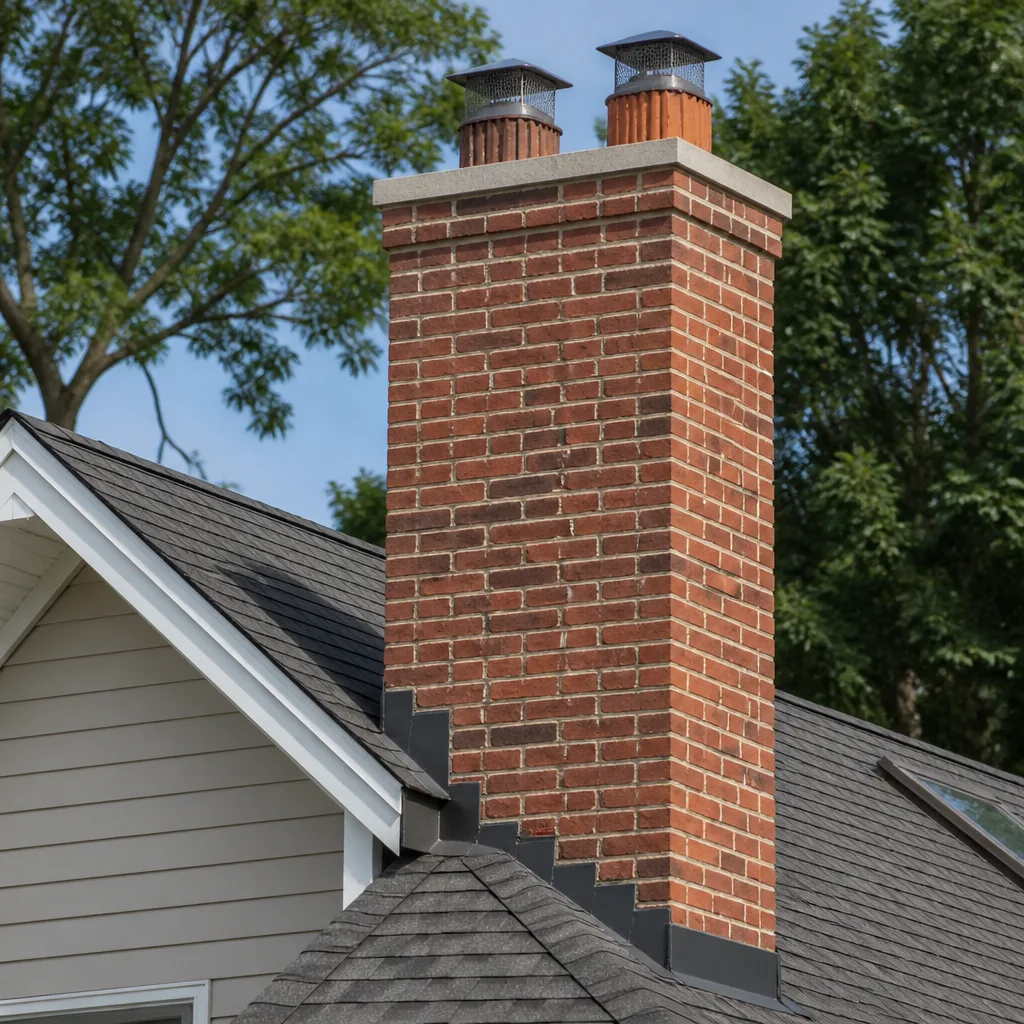 Masonry repair
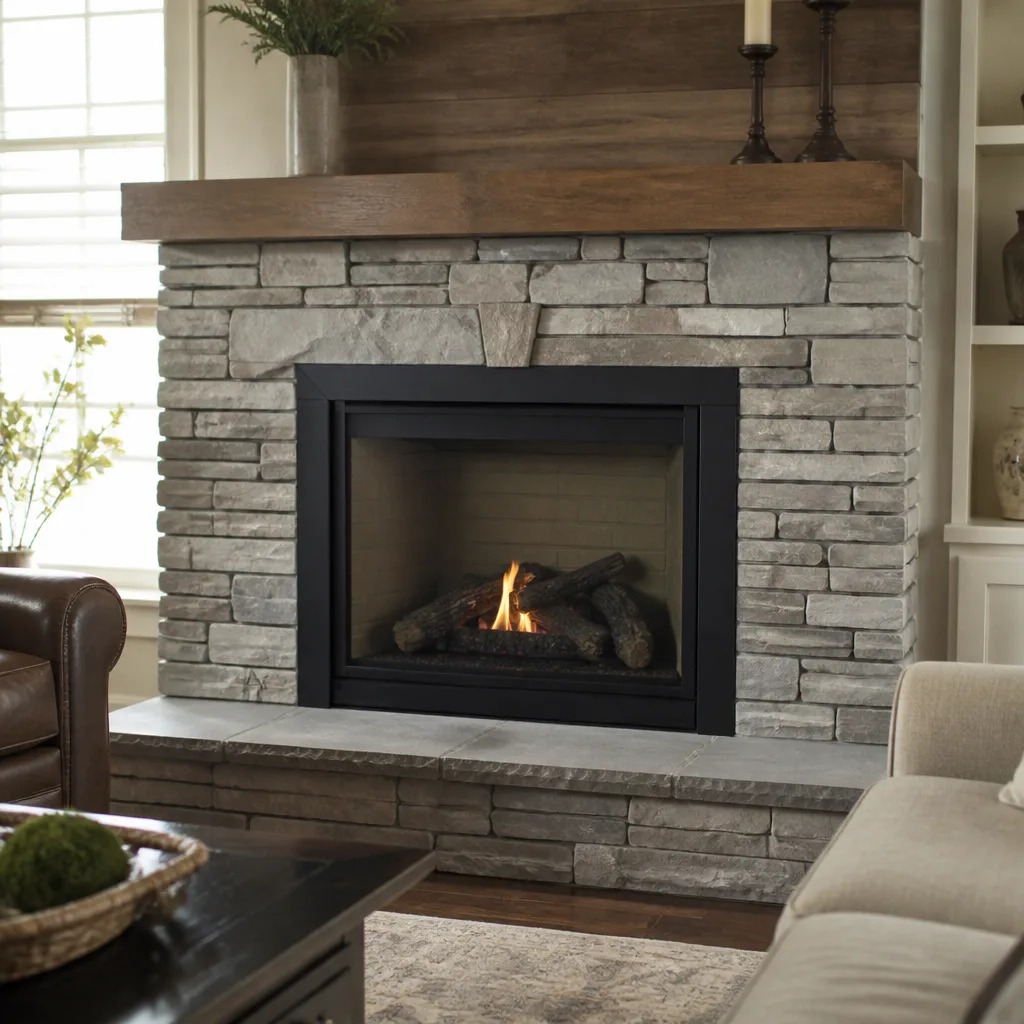 Gas fireplace service
Level 1 sweep and inspection to the NFPA 211 annual standard - flue, crown, cap, and flashing checked and photographed
Chimney sweep logs do not sweep chimneys. They loosen some creosote - which then falls where a brush and vacuum still have to collect it.
The Complete Guide to Chimney Cleaning in Broomfield
Most people think a chimney cleaning is one thing: a brush goes up, soot comes down, done. That picture is wrong, and it’s wrong in a way that matters. Your chimney is a system – firebox, damper, smoke chamber, flue, liner, cap, crown – and each part fails in its own way. When you burn at 5,344 feet, the cold-start fires and long, cold shoulder seasons mean your flue may collect creosote faster than the standard advice assumes. This guide walks through what actually happens inside a Broomfield chimney, how cleaning differs from what you’ve read online, and what a legitimate sweep should leave you with when the job is finished.
Quick Answer
Chimney cleaning in Broomfield is a layered diagnostic process, not just a brushing. A proper cleaning includes a professional inspection of the flue, smoke chamber, damper, and liner – and a written record of condition – before, during, and after the sweep. Homeowners who burn regularly at elevation should treat one cleaning per cord of wood as a floor, not a ceiling, and expect a real inspection with every visit.
Styles & brands we work with
- Sweep & inspection
- Caps & crowns
- Flue relining
- Masonry repair
- Gas fireplace service
Table of Contents
- Why Broomfield Chimneys Are Different
- What a Real Chimney Cleaning Actually Involves
- The One-Cord Rule and Why It’s a Floor
- Prefab vs. Masonry: Cleaning Protocol by Chimney Type
- Understanding Creosote Stages and What They Mean
- What You Should See, Smell, and Receive After a Cleaning
- Inspection as the Diagnostic Layer
- Cap and Crown: The Water-Intrusion Layer
- Common Mistakes to Avoid
- When to Call a Professional
- Frequently Asked Questions
- The Bottom Line
Why Broomfield Chimneys Are Different
At 5,344 feet, the air is thinner and colder, and fireplace habits shift to match. Broomfield wood-burners tend to light their first fires earlier in the season and run them harder once the cold settles in. That means more cold-start burns in a flue that hasn’t warmed up – and cold starts are where the fastest creosote formation happens. A fire that climbs slowly from a cold firebox on a 20-degree morning sends cool, smoky exhaust up an unheated flue, and that exhaust condenses on the liner walls before it clears. Do that a few hundred times a season and the result is a glassy, harder-to-remove buildup that brushing alone won’t fully address.
Colorado’s freeze-thaw cycle adds a second layer. Water that gets into the crown, cap, or masonry joints expands when it freezes and contracts when it thaws. Across a Broomfield winter, that cycle repeats. Hairline cracks widen, mortar softens, and what looked fine in October can be a real leak path by March. That’s why we treat a chimney sweep in Broomfield as a full-system check rather than a seasonal brush-off – the cleaning is the starting point, and the inspection is what protects the house.
Broomfield’s mix of older masonry chimneys in established neighborhoods and newer prefab systems in newer construction makes it worse. The two types have entirely different cleaning protocols, and a homeowner moving from one to the other often has the wrong expectations. Knowing which kind you have is step one.
What a Real Chimney Cleaning Actually Involves
A thorough chimney cleaning is not a 20-minute brush job. It’s a sequence. Here’s the general order a trained technician works through, at any Broomfield home:
- Protect the interior. Drop cloths and a sealed work area go down before any tool comes off the truck. The goal is zero soot in the living room.
- Inspect before cleaning. A camera or direct visual check happens before the brush. We need to know what we’re dealing with – a stage-one dusting versus a glazed stage-three deposit reads very differently from above.
- Brush the flue. The flue is swept from the top down with a sized brush (poly for metal liners, wire only where masonry tolerates it). This is where creosote gets dislodged.
- Clean the firebox and damper. Ash, soot, and debris collect here and are removed separately from the flue material.
- Reach the smoke chamber. This is the sloped transition between firebox and flue, and it’s the spot most quick sweeps skip. Deposits here are a fire-path concern and require proper angled tooling.
- Check the liner condition. Cracks, gaps, and separation at the joints get flagged. A liner is your fire-safety boundary – if it’s compromised, the cleaning is only half the job.
- Inspect the cap and crown from the roof. Water intrusion at the top is the top source of long-term damage; it gets checked every visit.
- Clean up and document. The work area is returned to how it looked, and the findings are written down.
The point of the sequence is the order. Skipping the pre-clean inspection means the technician doesn’t know what they’re brushing into, and skipping the smoke chamber means half the creosote stays put. When we quote a chimney sweep, that full sequence is what’s included.
The One-Cord Rule and Why It’s a Floor
The widely repeated standard – one chimney cleaning per cord of wood burned – is a starting point, not a hard rule. For a Colorado burner running a fire several nights a week from October well into spring, elevation and cold-start patterns mean that rule can undershoot. Two cords can produce more deposit than three cords burned by someone who lights a hot, clean fire the moment the wood catches.
What actually drives cleaning frequency:
- Season length. A longer burn season means more total fire-hours in the flue.
- Wood moisture. Seasoned wood (split and air-dried for a full year) burns far cleaner than wet or green wood. Unseasoned wood is the single biggest creosote accelerant in any flue.
- Fire habits. Hot, brisk fires burn cleaner than long smoldering overnight burns. Smoldering produces more deposit per cord.
- Chimney type. A prefab with a smaller diameter flue builds deposit faster than a large masonry flue because the surface-to-volume ratio is higher.
- Draft quality. A short stack or a bad cap can slow draft and cool the exhaust before it clears.
Instead of relying on the cord count alone, watch the flue. Visible soot at the top of the firebox, a flue that’s hard to see through from below, or the smell of creosote when a fire is not burning are all signs that the schedule needs to move up. The one-cord rule remains a reasonable floor – for most Broomfield homes it gets you cleaned at least as often as you need. But treat it as that: a floor.
Prefab vs. Masonry: Cleaning Protocol by Chimney Type
Broomfield has both kinds, and the cleaning process is different for each. A technician who treats them the same way is doing at least one of them wrong.
Factory-Built (Prefab) Chimneys
Prefab units have a metal firebox and a stainless or galvanized flue with a smaller interior diameter than masonry. Cleaning uses a poly brush sized to the liner, never wire – wire can scratch or gouge the metal. The firebox is inspected for warped panels and cracked refractory brick. The flue joints (the sections where the liner pieces connect) get reviewed for separation, which is a common failure point. If the liner needs replacement, that’s a Chimney Sweep Broomfield call that ends with a proper liner, and DuraFlex flexible liner systems are the standard we install.
Masonry Chimneys
Masonry flues (brick or block with a clay tile or cast-in-place liner) use wire brushes only when the liner is sound. The brush action exposes any cracked tile joints, which is critical because a cracked flue tile lets creosote and heat reach the surrounding masonry – the wrong place for either. Masonry chimneys also carry a smoke chamber and a damper, both of which need cleaning and inspection. The crown at the top is masonry too, and it’s the first thing to check for cracking after a Broomfield freeze-thaw cycle.
Gas Fireplaces
Gas units don’t produce creosote, but they still accumulate dust, debris, and sometimes nesting material. They get inspected for the vents, the refractory logs, and the ignition assembly. A gas fireplace cleaning is not the same as a wood-burning sweep, and the two shouldn’t be compared on price.
Understanding Creosote Stages and What They Mean
Creosote forms in three recognizable stages, and each stage needs a different removal approach. Knowing them is what makes a chimney sweep in Broomfield more than a once-over.
- Stage one – soot and flaky deposit. The dusting you see in a lightly used flue. Standard brushing removes it. This is the best outcome.
- Stage two – crunchy, brittle flakes. Common in a flue that’s been run through a cold shoulder season without a proper cleaning. Still brushable, but the deposit is thicker and the flue is getting closer to the risk line.
- Stage three – glazed, hardened, tar-like. A hard, shiny coating that bonds to the liner and will not come off with a brush. Trying to burn it off doesn’t work and can make it worse. Removal requires specialized chemical treatments or liner repair – and HeatShield ceramic flue resurfacing is a repair method we use where the liner is deteriorating under that deposit.
Elevation enters here. A short, cool fire on a cold day deposits stage-three material much faster than the same fire on a warm day at low altitude. That’s why in our experience, Broomfield homes that light their first fires early in the fall without a pre-season inspection are the ones that hit stage three by February. The way to avoid it is to know the stage before the fire season starts.
What You Should See, Smell, and Receive After a Cleaning
A legitimate cleaning leaves a specific set of signals. If you can’t tick these off, ask why.
What you should see
- A clean firebox with no residual soot on the walls, the damper, or the smoke chamber floor.
- No visible soot on the flue interior when checked with a light or camera.
- An intact cap and crown from the roof line (no gaps, no missing cap screen).
- A clean interior work area – no ash trail on the carpet, no soot on your fire tools.
What you should smell
After a proper cleaning, the air around the fireplace should smell like smoke from the last fire, and nothing else. A sharp campfire smell lingering in the room hours later, or a smoky smell that shows up on a cold morning with no fire lit, suggests draft issues that need to go on the inspection report.
What you should receive
- A written inspection report that tells you the condition of the flue, damper, smoke chamber, and liner.
- Photographs of the flue and any flagged issues, so you can see what the technician saw.
- A clear statement of what’s safe now, what should be scheduled soon, and what can wait.
Documentation is the whole difference between a cleanup and a diagnosis. We include a written report and photos with every chimney repair visit, and we do the same with a routine sweep. You should never be asked to trust a verbal assessment you can’t see for yourself.
Inspection as the Diagnostic Layer
A chimney inspection is not a sales pitch for repair work. It’s a separate service with its own checklist, and in our experience it’s the part Broomfield homeowners want most – because it’s the part that tells them what’s actually happening inside the system. We offer inspections as a standalone service, not just as a lead-in to a sweeping or a repair.
What a standard inspection covers:
- The firebox and refractory panels – cracks, heat damage, warping.
- The damper – operation, seating, hinge condition.
- The smoke chamber – buildup, gaps, angled surfaces.
- The flue and liner – cracks, separation, stage of deposit, clearance to combustibles.
- The cap, crown, and flashing – water intrusion, cracking, seal integrity.
- The exterior masonry (where present) – spalling, joint condition, efflorescence.
The output is a written condition report. Some findings are maintenance (a slightly worn cap screen), some are safety (a cracked flue tile), some are future-noted (a crown with hairline cracks that haven’t leaked yet). A good inspection tells you which is which, and never presents one as the other.
Cap and Crown: The Water-Intrusion Layer
The crown and the cap are two small components that matter more than almost anything else for the long-term health of a Broomfield chimney. The cap sits at the top of the flue and keeps rain, snow, birds, and debris out. The crown is the sloped concrete or masonry surface at the top of the stack that sheds water away from the masonry below. When either fails, water gets in, and once it’s in, freeze-thaw does the rest.
Common Broomfield signatures of a failing crown:
- Visible cracks, especially in the horizontal plane, that widen over the winter.
- Staining or rust streaks on the exterior masonry below the crown.
- Spalling brick or flaking mortar on the upper courses of the stack.
- Water stains on the interior chimney chase after heavy rain or snowmelt.
Cap problems show up as a missing screen, a rusted top, or a cap that no longer sits flush. Resealing a crown or replacing a cap is a much smaller job than repairing water-damaged masonry after a few freeze-thaw winters, which is why we treat cap and crown work as preventive, not cosmetic. Copperfield and Famco are the cap and crown components we install most often, along with DuraFlex and HeatShield for the liner and resurfacing work above.
Common Mistakes to Avoid
- Treating a sweep as one quick brush. A visit that takes 20 minutes and brushes only the visible flue hasn’t cleaned the smoke chamber or inspected the liner – the two places most problems hide. Ask what’s included before the truck arrives.
- Waiting until the first cold night to book. A Broomfield fall books up fast, and a flue that hasn’t been checked since last spring has had a full freeze-thaw season on its crown. Get the inspection done before fire season, not after the first smoky morning.
- Burning unseasoned wood. Green or wet wood is the single biggest accelerator of creosote formation. Split and season for a full year, and store it covered but not sealed tight.
- Assuming a gas fireplace doesn’t need servicing. Gas units accumulate dust, debris, and vent issues. A gas fireplace needs inspection just like a wood one, and the process is different.
- Letting a cracked crown wait. A hairline crack in October is a leak path by February. Freeze-thaw does not take a season off.
- Confusing a report with an upsell. A legitimate inspection shows you photos and gives you a written condition report. If the recommendation arrives without evidence, ask for it – you should be able to see what the technician saw.
- Ignoring the smoke chamber. The sloped transition between firebox and flue collects deposit that standard brushes miss. If it isn’t cleaned, the “clean” chimney isn’t clean.
When to Call a Professional
Some jobs are maintenance; some are safety calls. Call a professional if any of the following apply:
- You’ve burned two or more cords since your last cleaning, or you’ve burned through a full Colorado season without one.
- You can see glazed or tar-like deposits in the flue – stage-three creosote does not come off with a brush.
- You hear crackling, roaring, or popping from the flue while a fire is burning.
- You smell a strong smoky odor in the room when no fire is burning, or on a cold morning.
- You see cracked flue tiles, cracked masonry joints, or water stains on the exterior chase.
- Your damper sticks, doesn’t seal, or has visible warp or rust.
- You’ve changed appliance type – for instance, converted a wood fireplace to a gas insert – and haven’t had the liner checked since.
- You’ve had a chimney fire (even a small one you put out yourself) and haven’t had the flue inspected since.
If any of those sound familiar, call Chimney Sweep Broomfield at (833) 513-8675 for a free estimate. Our technicians have up to 8 years of experience, and we’ll tell you honestly what needs doing now, what can wait, and what the report shows – same team, same standard, from sweep through fireplace repair.
Frequently Asked Questions
A chimney cleaning in Broomfield is quoted per job based on the chimney type, the flue condition, and whether it’s a wood-burning or gas system – a prefab liner cleaning and a full masonry sweep with smoke chamber work are different jobs. The written estimate sets the final price, and it’s provided before any work begins. Call (833) 513-8675 for a free estimate.
Not always, and we won’t tell you otherwise without evidence. A liner needs replacement when the flue tiles are cracked, when joints have separated, or when a wood-to-gas appliance change has left the liner undersized for the new appliance. In some cases a deteriorating flue can be resurfaced with HeatShield ceramic material instead of replaced, which restores the safety barrier without a full liner job. What you get from us is a written report and photos of the flue condition – you should be able to see what we see before you decide. Call (833) 513-8675 for an inspection and a free estimate.
At minimum, one cleaning per cord of wood burned – and that’s a floor, not a ceiling. In Broomfield’s elevation and cold shoulder seasons, fires burn earlier and harder, so deposits can build faster than the standard rule assumes. Inspect once a year and sweep based on what the inspection finds. Call (833) 513-8675 to book a cleaning and get a condition report.
Creosote accumulates in stages, and the later stages are harder to remove and more dangerous. A flue that was brushable in October can be glazed stage-three by February, which means repair work instead of a simple sweep. Alongside that, the crown and cap get a full freeze-thaw season without a check, and hairline cracks become leak paths. The cleaning isn’t just about the flue – it’s the annual look at the whole system. Call (833) 513-8675 for a free estimate on a sweep and inspection.
Prefab chimneys need a specialist, and no, they don’t take a generic brush. Factory-built units use a smaller-diameter metal liner that needs poly brushes sized to the flue – wire can scratch or gouge the stainless. The firebox panels and flue joints also need their own check, because those are the failure points on a prefab. We service both prefab and masonry, and know the difference. Call (833) 513-8675 for a free estimate.
A written inspection report with photos of the flue and any flagged issues, plus a clear statement of what’s safe, what should be scheduled, and what can wait. A cleaning without documentation is only half the job – a real sweep leaves you with a record you can compare year to year. Call (833) 513-8675 to book a sweep with a report included.
The Bottom Line
Chimney cleaning in Broomfield is not a single task – it’s a diagnostic sequence that runs from the firebox up to the crown and reports honestly at each step. Elevation, cold-start fires, and freeze-thaw make the standard advice a floor, not a ceiling. Prefab and masonry chimneys need different protocols. Stage-three creosote needs more than a brush. And a legitimate cleaning leaves you with photos, a written report, and a clear picture of what’s safe to burn and what needs attention. We service the whole system – cap, crown, liner, firebox – because the fire-safety boundary doesn’t stop at the flue. Our technicians have up to 8 years of experience and use professional-grade materials from DuraFlex, HeatShield, Gelco, Olympia Chimney, Famco, and Copperfield, installed by trained hands. Cap, crown, liner, firebox – we service the whole system, not just the visible part.
Ready for a Real Inspection?
If you’ve read this far and you’re not sure when your chimney was last cleaned, that’s your answer. Call Chimney Sweep Broomfield at (833) 513-8675 for a free estimate. We answer 24/7. Fast dispatch from 7am to 7pm, Sunday through Friday. A cleaning tells you what’s in the flue. An inspection tells you what to do about it. Same team, same standard, from sweep through repair.
Written by the team at Chimney Sweep Broomfield.
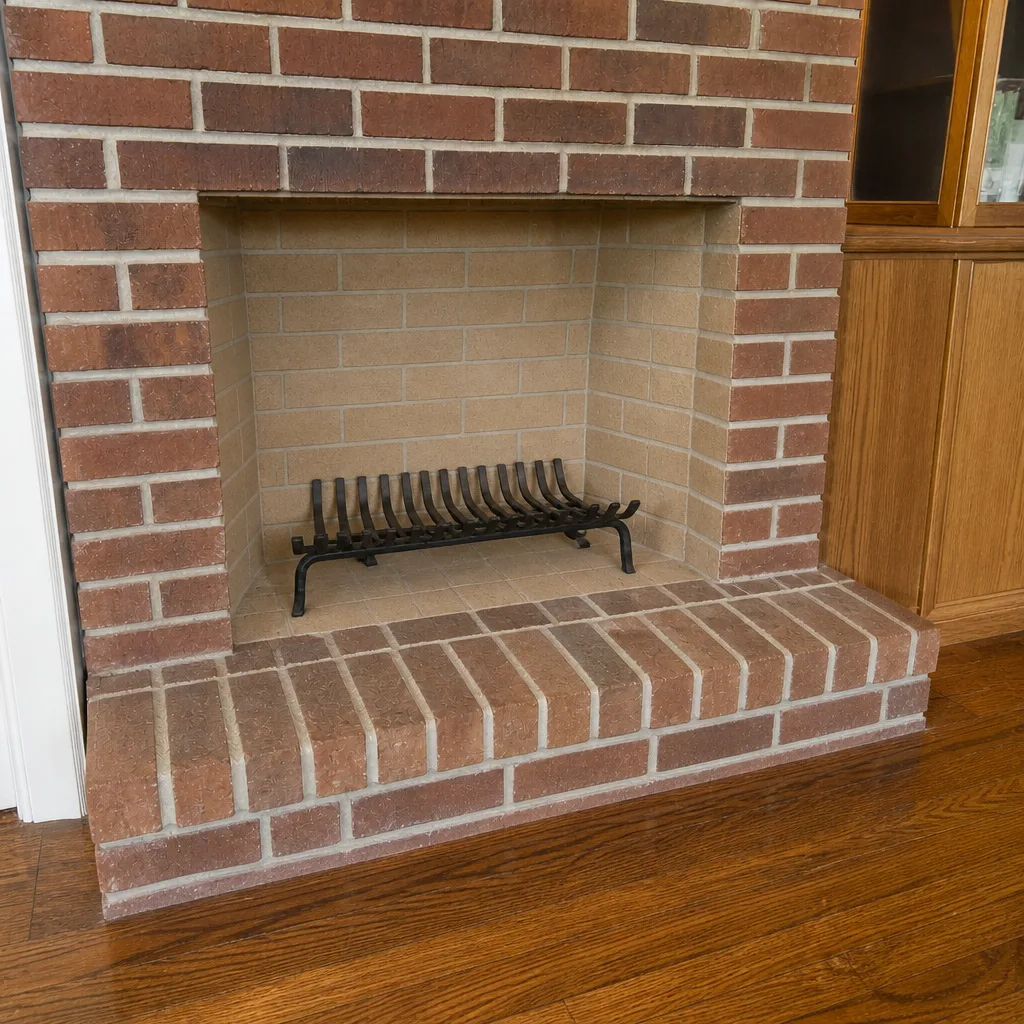
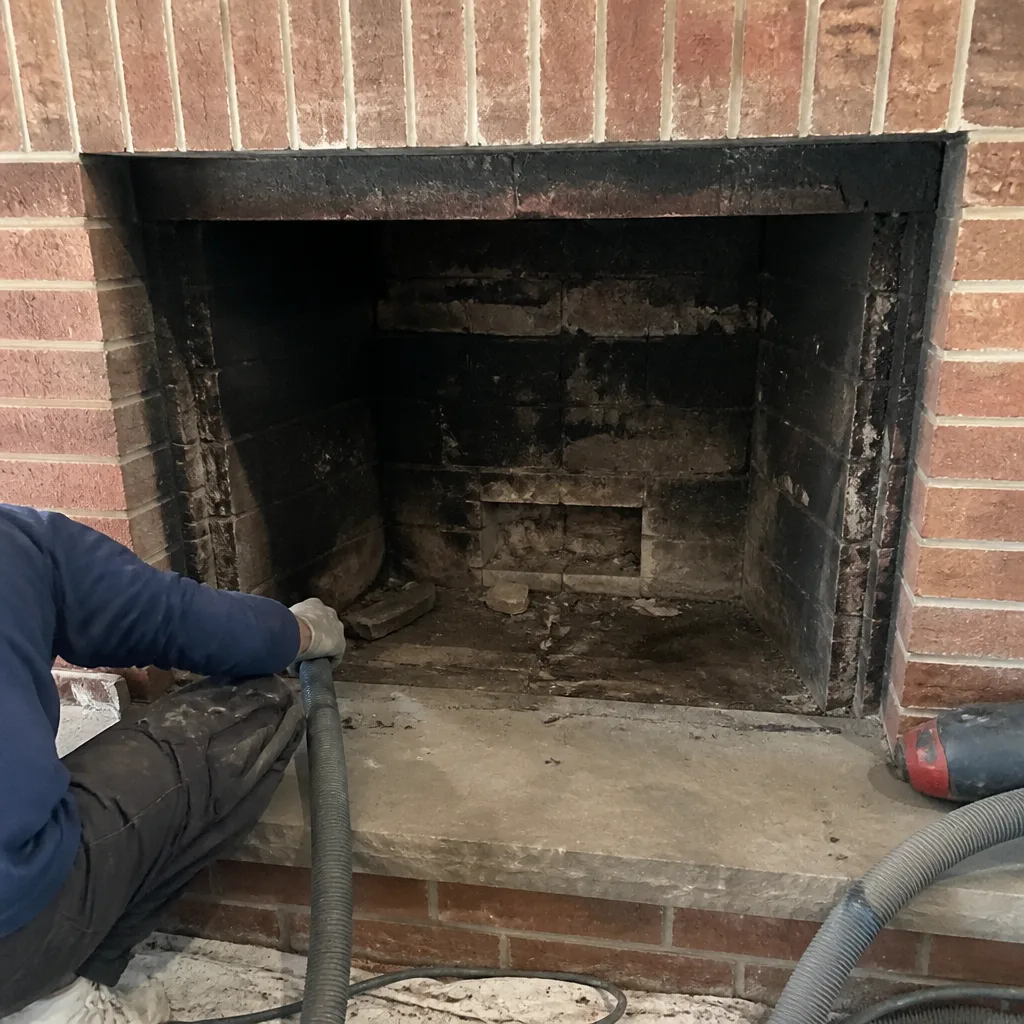
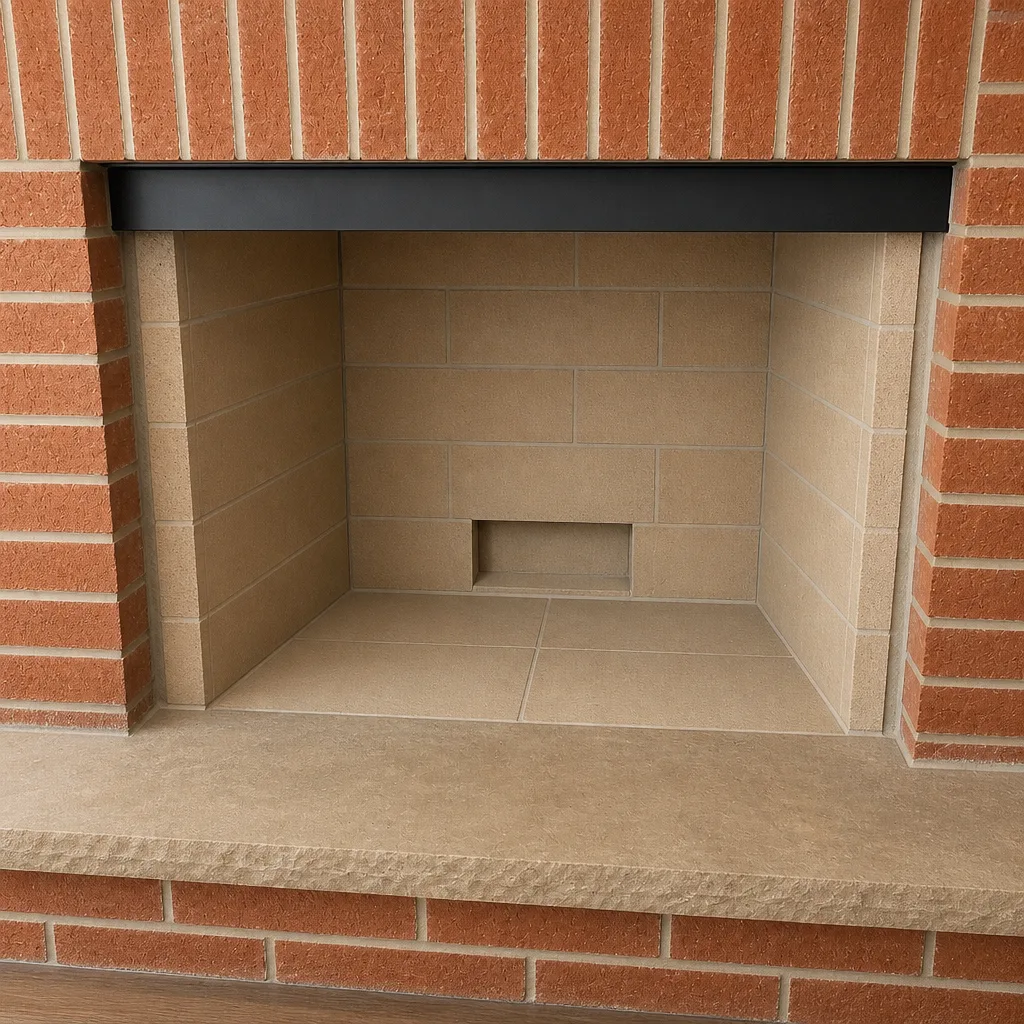
See the difference
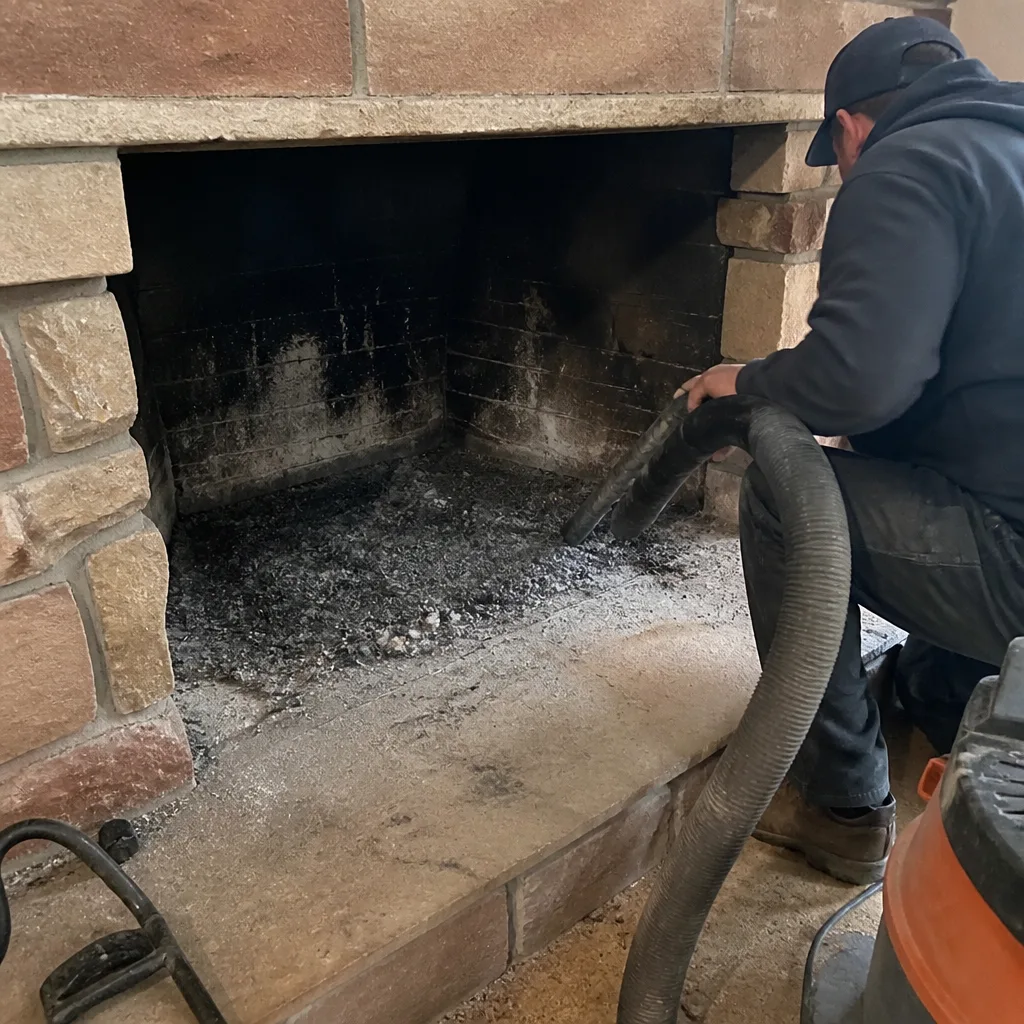 Before
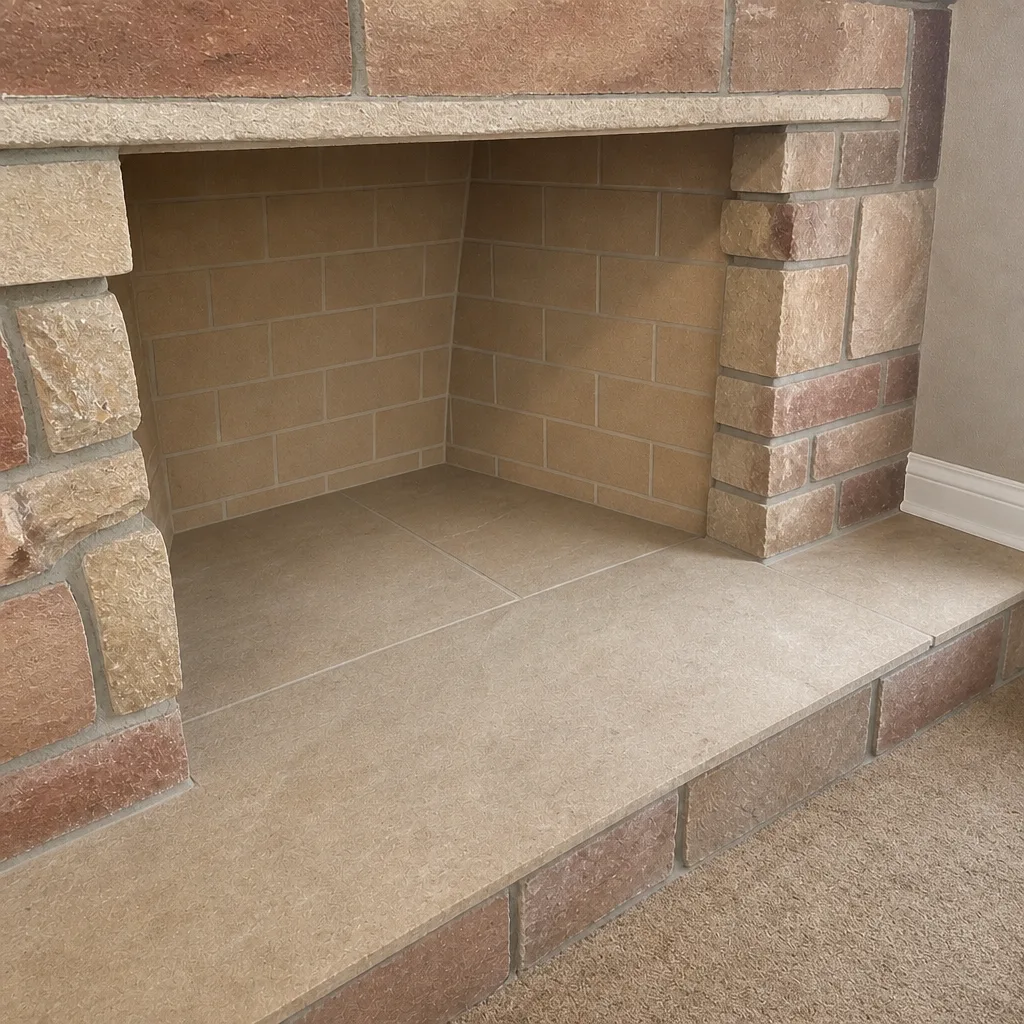 After
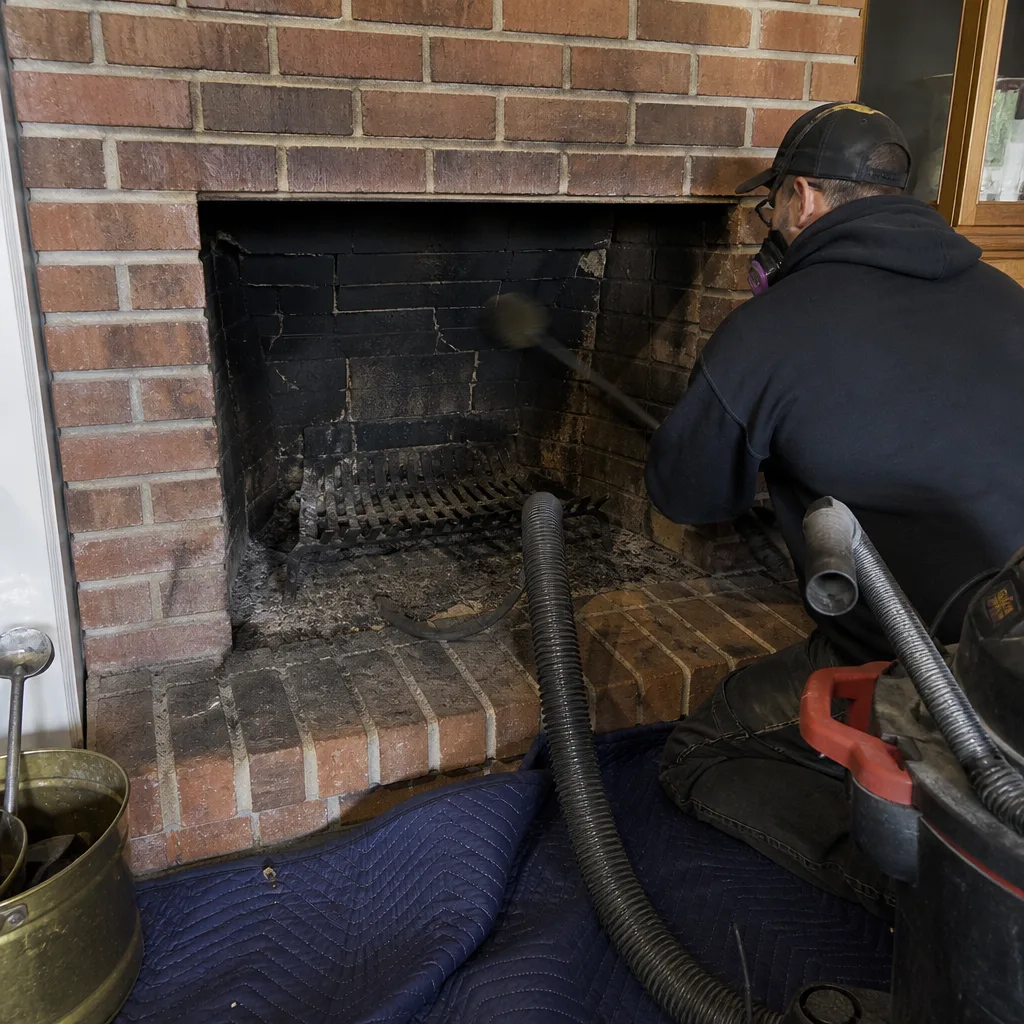 Before
 After
 Before
 After