
Last updated November 25, 2026
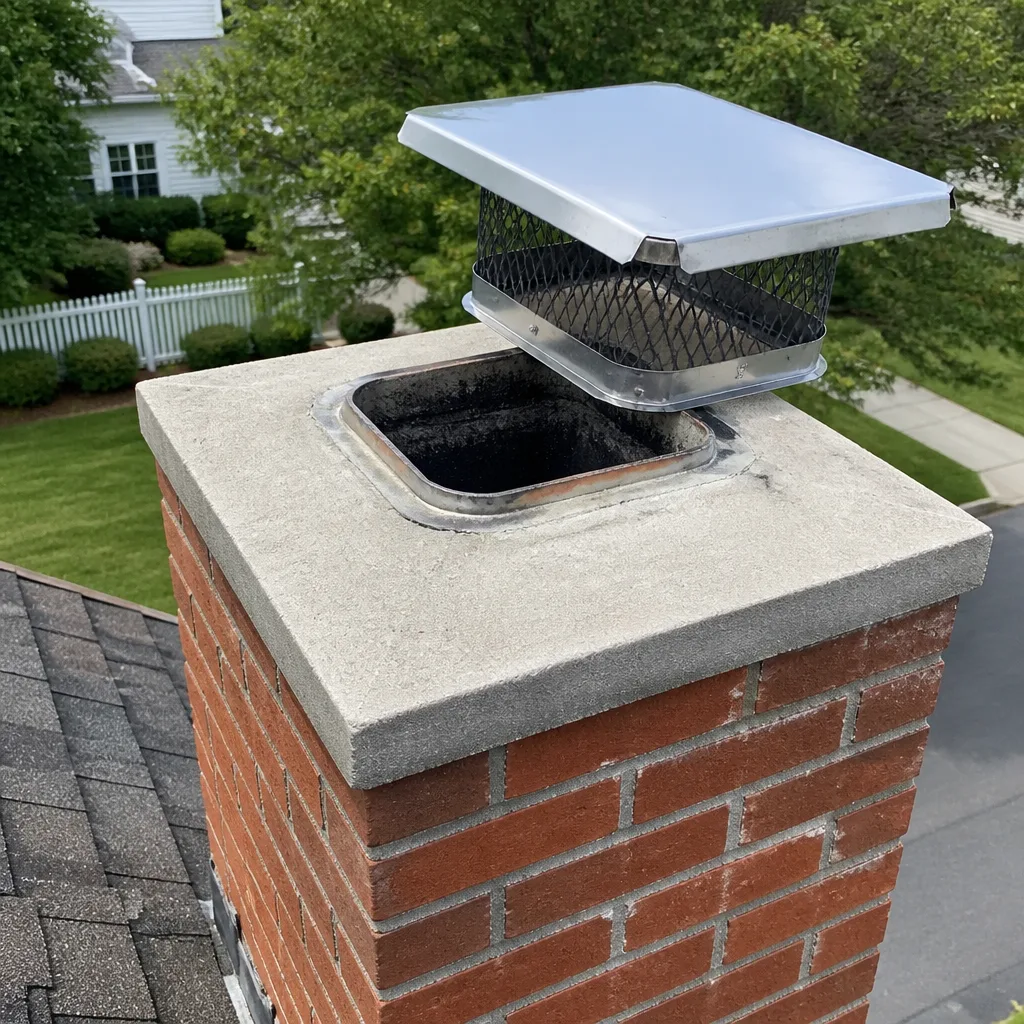 Sweep & inspection
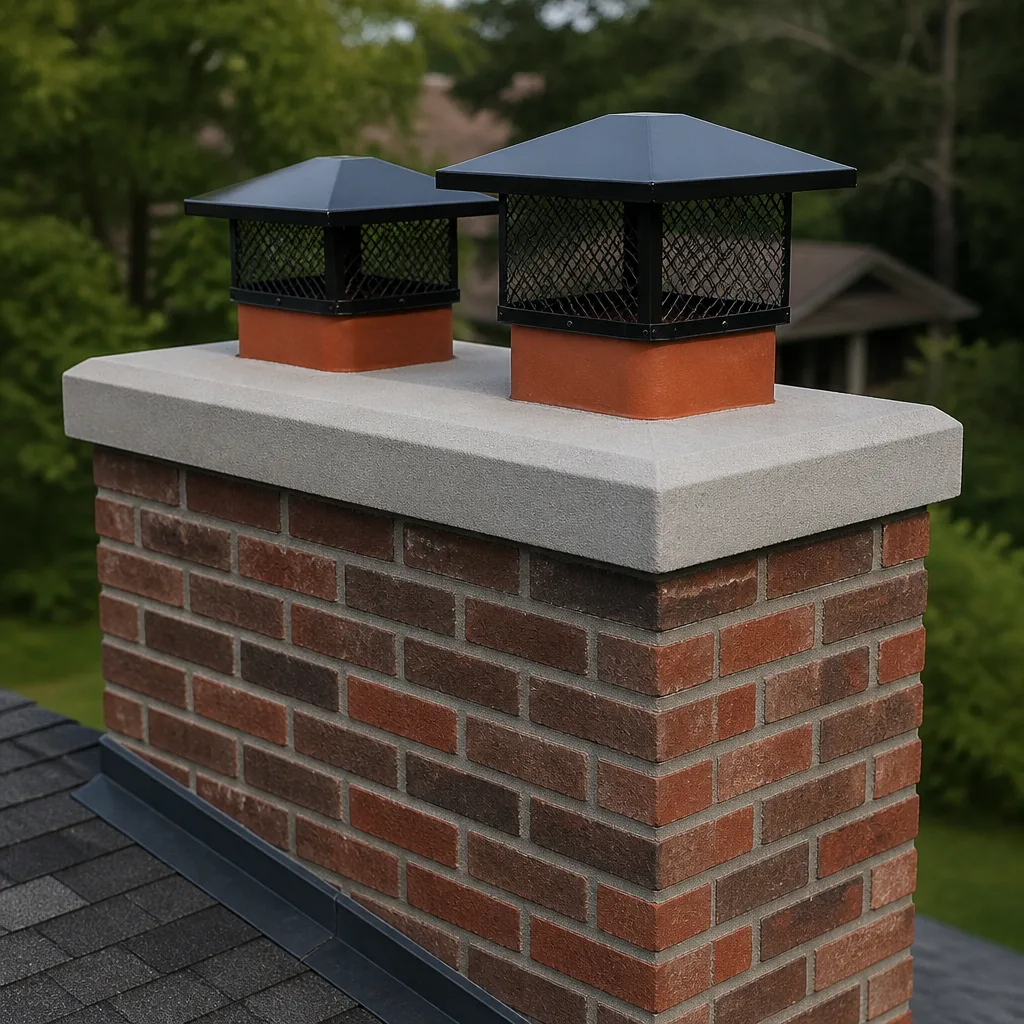 Caps & crowns
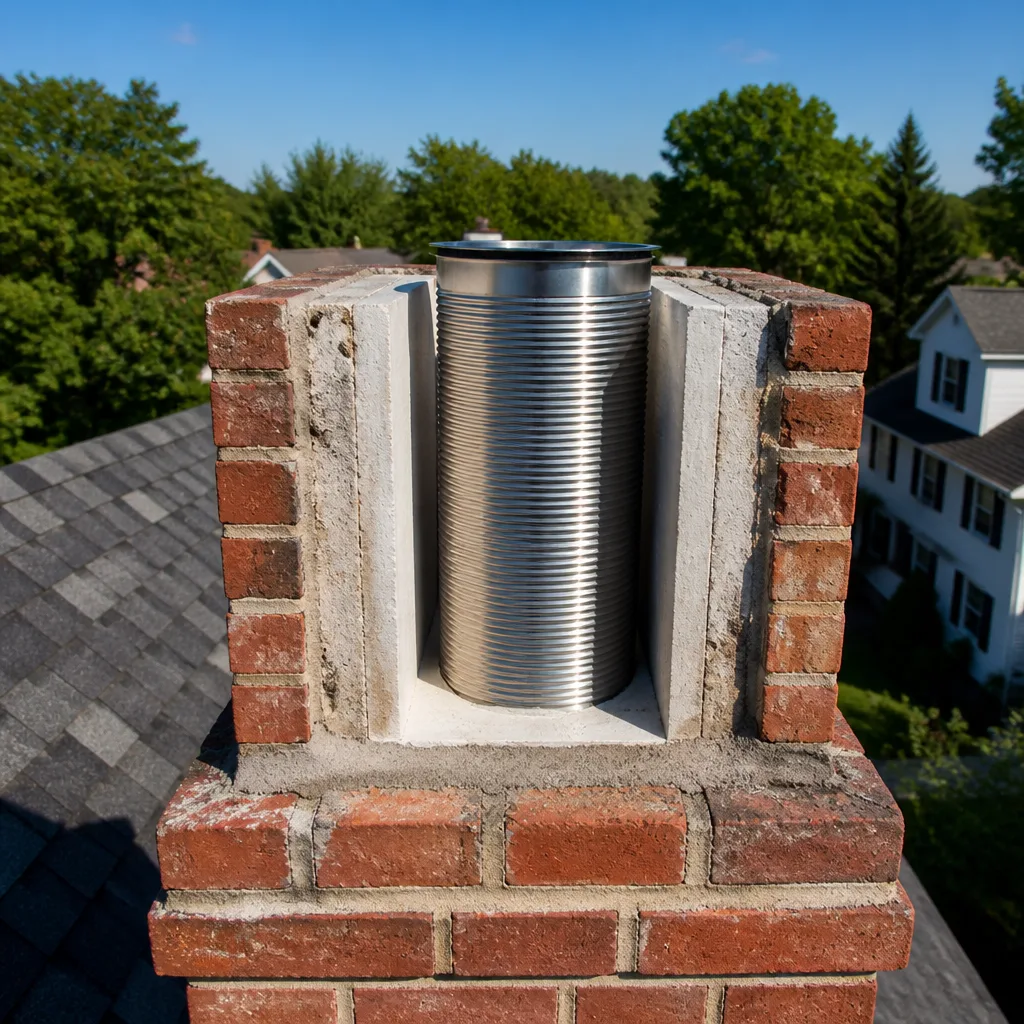 Flue relining
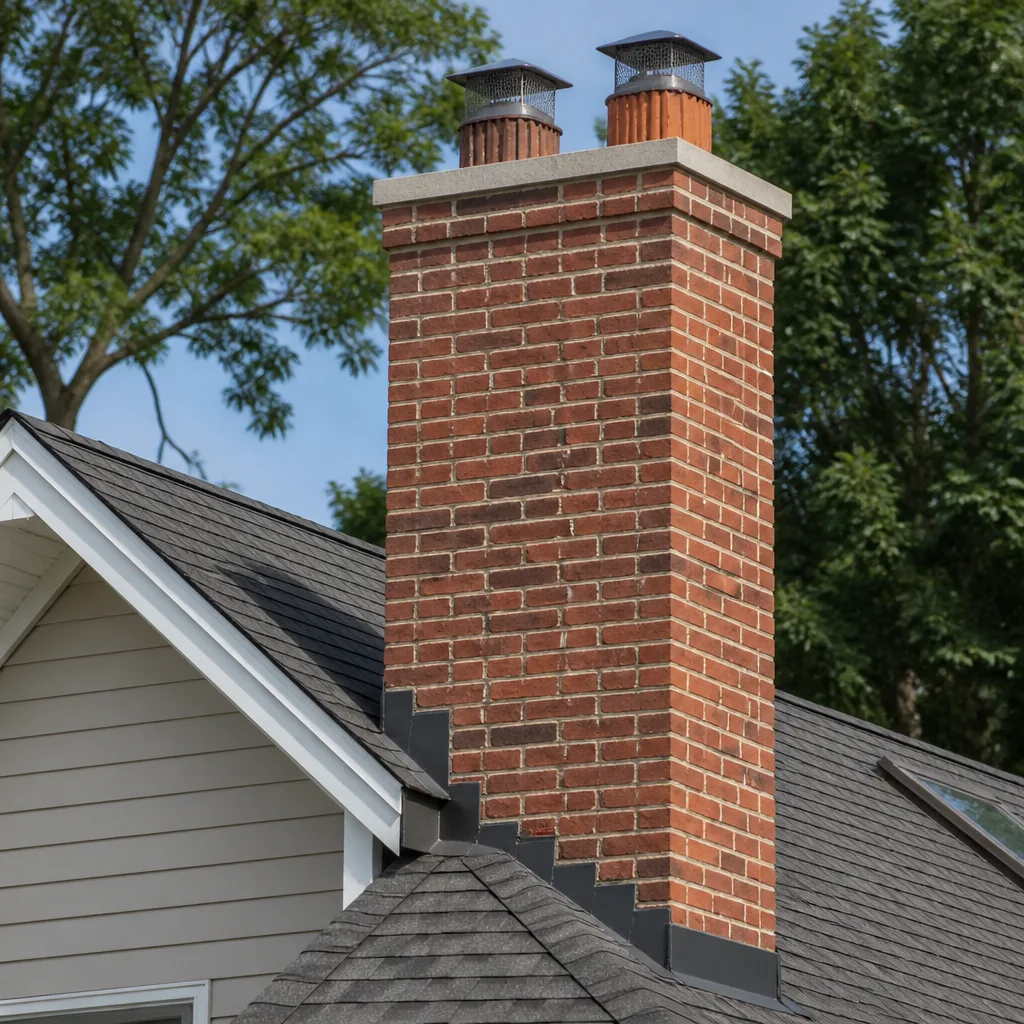 Masonry repair
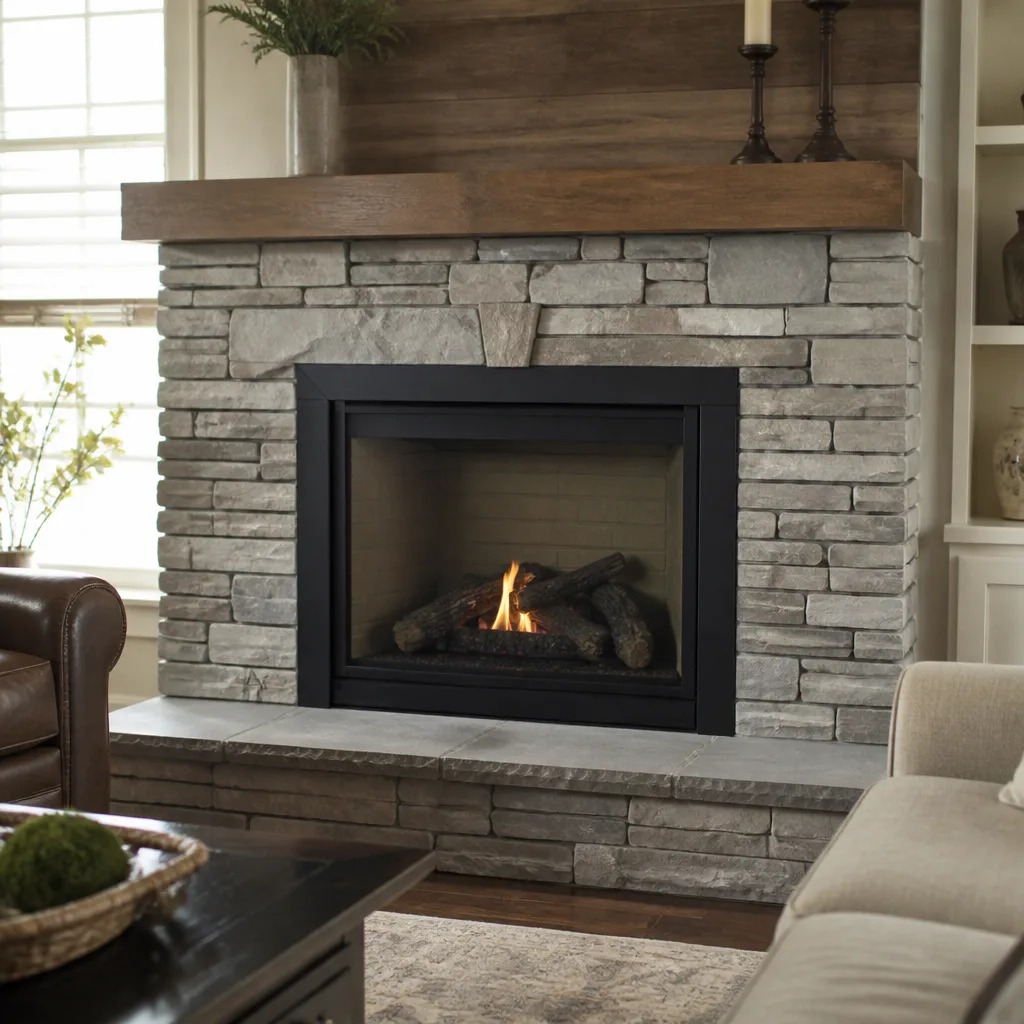 Gas fireplace service
Level 1 sweep and inspection to the NFPA 211 annual standard - flue, crown, cap, and flashing checked and photographed
Chimney sweep logs do not sweep chimneys. They loosen some creosote - which then falls where a brush and vacuum still have to collect it.
How to Hire a Chimney Cleaning Contractor in Broomfield: A Step-by-Step Guide
Colorado has no state licensing requirement for chimney sweeps. That’s the single fact most Broomfield homeowners don’t know, and it changes how you should hire. Anyone with a truck, a brush, and a phone number can legally advertise chimney cleaning here and many do. But a swept flue is not the same as a safe one, and the person holding the brush decides which you get. This guide walks you through what to check, what to ask, and what paperwork you should walk away with so you know the job was actually done and your chimney is actually sound.
Quick Answer
Hire a chimney contractor by verifying certification and insurance first, then interviewing them on their diagnostic process before you book. A qualified sweep uses professional materials, inspects the full system, and hands you a written report you can keep. If they can’t show certification, can’t explain their insurance coverage for chimney work, or only give feedback verbally, keep looking.
Styles & brands we work with
- Sweep & inspection
- Caps & crowns
- Flue relining
- Masonry repair
- Gas fireplace service
Table of Contents
- Why Colorado’s Lack of Licensing Changes How You Hire
- What CSIA Certification Actually Means
- Five Interview Questions That Separate the Pros
- What a Written Inspection Report Should Contain
- How to Verify Insurance for Chimney Work
- Red Flags Specific to the Broomfield Market
- What Professional Materials Signal a Real Professional
- Why Broomfield’s Climate Makes Hiring More Important
Why Colorado’s Lack of Licensing Changes How You Hire
Most states have some form of licensing or registration for chimney work. Colorado doesn’t. There’s no state board that reviews a chimney sweep’s training, no exam to pass, and no license number to look up before you hand someone a few hundred dollars and access to your roof. That means the burden of vetting falls entirely on you, and the usual shorthand of “check their license” simply doesn’t apply here. Instead, you have to lean on voluntary credentials, the questions you ask, and the documentation they produce.
What fills the gap is third-party certification. The most recognized body in this trade is the Chimney Safety Institute of America, or CSIA. A CSIA-certified sweep has passed a written exam, agreed to a code of ethics, and committed to ongoing education. In a licensed state, certification is one box among many. In Colorado, it’s often the only objective evidence that a person knows what they’re looking at inside a flue.
Practical steps for a Broomfield homeowner:
- Ask whether the technician coming to your home is CSIA-certified, not just the company name on the truck.
- Ask if they carry additional certifications for inspection work, which is a different skill set from sweeping.
- Ask for the certificate holder’s name and ask to see the card when they arrive.
- Cross-check the certification on the issuing body’s directory before the appointment.
Broomfield sits in a metro where every neighboring town has its own mix of established chimney companies and one-person operations working out of a pickup. The address on the website tells you less than it used to. What you can verify is certification, and that’s where to start. Our own Chimney Sweep Broomfield work is built around that idea: credentials you can check, not claims you have to trust.
What CSIA Certification Actually Means
CSIA certification means a technician has passed a proctored exam on chimney and venting systems, signed a code of ethics, and committed to renewing through continuing education. It’s not a government license, and no state law requires it. It’s a voluntary standard, which is exactly why it tells you something about the person who holds it: they chose to be tested when nobody forced them to be.
The exam covers the parts of the trade that matter for safety – how different venting systems work, how creosote builds and ignites, how carbon monoxide moves through a home, and how to spot structural problems before they become failures. A certified technician should be able to look at your flue and explain what they see in plain language. That’s the real value. They’re trained to diagnose a system, not just clear it.
In an unlicensed state, the difference between certification and no certification is the difference between a technician who can read the flue and one who can only clean it. Most of the work we do in Broomfield starts with that diagnostic eye. A routine sweep is quick. Knowing whether the liner behind the creosote is still intact is the part that takes training.
- Exam-based knowledge: tests code, venting, combustion, and safety, not just brush technique.
- Ethics commitment: includes honest reporting of findings and not selling unnecessary work.
- Continuing education: keeps the technician current on code and equipment.
- Directory listing: lets you verify before you book, which matters more here than anywhere.
Five Interview Questions That Separate the Pros
The fastest way to tell a diagnostic professional from a brush-and-go operator is to ask about process before you book. The answers tell you whether this person is set up to find problems or just to sweep past them. Ask these five questions on the phone. A qualified sweep answers them without hesitation and without needing to call you back.
- What does your inspection cover, and do you do it separately from the sweep? Look for a technician who inspects the full system – firebox, damper, flue, cap, crown – and offers inspection as a standalone service, not only as a reason to sell a cleaning.
- Do you give me a written report with photos? Any hesitation here is a red flag. A professional hands you documentation. A brush-and-go operator talks and leaves.
- What happens if you find a cracked liner or damaged crown? The right answer includes options and cost, plus an honest note on what can wait. The wrong answer is an immediate hard sell on a full reline.
- What materials do you install if repair is needed? You’re listening for trade-grade products – DuraFlex liners, HeatShield flue resurfacing, Gelco or Olympia Chimney components. Big-box substitutes signal a generalist.
- Are you insured for chimney work specifically, and can you send proof before the visit? Ask for the certificate, not a verbal yes. The next section explains why this matters more than it first appears.
A sweep who can’t answer question one is a cleaner. One who can’t answer question two is a risk. One who can’t answer question five is a liability you shouldn’t accept. The whole point of the phone call is to find out which of the three you’re talking to before they climb on your roof. If they can repair what they find, that’s the second layer of confidence. Same team, same standard, on the chimney repair side of the job as on the cleaning.
What a Written Inspection Report Should Contain
A written inspection report should document the condition of every accessible part of the chimney system, state findings in plain language, and include photos or video of anything flagged. If a contractor gives you feedback only verbally, you have nothing to compare against next year and nothing to review when you’re deciding whether a recommended repair is real. Verbal-only is a red flag in this trade.
A report worth the paper carries these elements:
- Date and property address so it’s traceable.
- Sweep or inspection level performed and what was accessible.
- Findings section covering firebox, damper, smoke chamber, flue, cap, crown, and exterior where reachable.
- Photos of the flue interior and any damage flagged, so you can see what the technician saw.
- Recommendations with a clear line between what needs attention now and what can wait.
- Materials note if repairs are proposed, with the product type named.
The photos matter more than people give them credit for. A camera dropped down the flue shows the actual condition of the liner, the creosote stage, and any gaps or cracks. You don’t have to take a technician’s word for it – you can look at the image and decide for yourself. That’s what separates an honest inspection from a sales pitch. When an inspection turns up something like a deteriorating flue that can be resurfaced rather than replaced, a HeatShield ceramic restoration is one option, and the report should say so alongside a full reline so you can see the choice laid out. Know what’s inside your flue before you light the next fire, and know it with evidence.
How to Verify Insurance for Chimney Work
General liability insurance is the baseline, but for chimney work it isn’t always sufficient on its own. Chimney jobs involve working at height, sometimes dropping tools and equipment from a roof, and occasionally working near gas appliances. You want proof of general liability coverage and, where the technician is an employee rather than the owner, workers’ compensation coverage as well. Ask for both and review them before the visit.
How to verify in practice:
- Request a certificate of insurance by email before the appointment.
- Check the certificate lists general liability and, if applicable, workers’ comp.
- Check the policy period is current, not expired.
- Ask whether the insurance covers chimney and venting work specifically, not just “handyman services.”
- Call the insurer’s number on the certificate if anything looks unclear – it takes a minute and it’s worth it.
Why this is more important in Broomfield than in most places: without a state licensing board, there’s no administrative backstop if something goes wrong on your roof. If a ladder damages your gutter or a dropped tool cracks a tile, the cost lands on you unless the contractor’s insurance covers it. A properly insured contractor carries that risk so you don’t. Ask about coverage on the first call. A contractor who answers without friction is one who has nothing to hide. A contractor who gets annoyed at the question is a contractor you should not let on your roof.
Red Flags Specific to the Broomfield Market
Broomfield sits between Denver and Boulder, and the chimney market here reflects it. You’ll see fly-by-night operators doing a circuit through the metro, established local companies, and everything in between. Some red flags are universal. Others show up more often in this market than you might expect.
- Unusually low flat-rate ads. A flat rate that undercuts everyone else by a wide margin usually means a short visit with no inspection. A proper sweep and inspection together take real time. If the price suggests five minutes on the roof, that’s what you’ll probably get.
- No physical address on the website or paperwork. Not every legitimate contractor runs a storefront, but a business with no way to verify a base of operations is harder to hold accountable. At minimum, the company name, phone, and written materials should be consistent.
- No before-and-after documentation offered or available. A professional expects to show you their findings. If they have no photos, no report, and no flue camera, they’re guessing – and so are you.
- Verbal-only recommendations. If the technician tells you the flue needs work but won’t put it in writing, you can’t tell whether the recommendation is real or a sales tactic.
- Pressure to decide today. Chimney repairs are almost never so urgent that you can’t think it over. Real urgency is rare; manufactured urgency is common.
- No named materials. If they can’t tell you what kind of liner or patching material they’d install, they probably don’t install them.
- No certification mentioned, ever. In a state that doesn’t require licensing, the absence of any voluntary credential is a warning sign worth taking seriously.
Broomfield has its share of neighborhoods – Anthem, Interlocken, Broadlands, and the older housing closer to the heart of town – where chimney stock varies widely. Some homes have newer prefab systems, others have older masonry that needs more attention. A contractor working across that range needs to be able to tell the difference, and the red flags above are how you figure out whether they can.
What Professional Materials Signal a Real Professional
The materials a contractor installs tell you what kind of trade work they do. Career chimney professionals work with a specific set of brands because those brands are built for chimney systems, tested to chimney standards, and known in the trade. A general handyman substituting a hardware-store patch kit is not the same thing as a technician installing a proper liner or resurfacing a flue.
When a repair is proposed, ask what will be installed. If the answer is a named product in the professional chimney trade, that’s a good sign. If the answer is vague, or the product is something you recognize from a big-box aisle, it’s worth a second opinion. DuraFlex flexible liners, HeatShield ceramic resurfacing, and Gelco and Olympia Chimney components are the kind of names that indicate a contractor who works in the trade rather than around it. These brands exist because chimney professionals specified them, tested them, and installed them across tens of thousands of systems. None of that guarantees a good installation, but the choice of material is a proxy for how seriously the contractor takes the work.
What that means for a Broomfield homeowner is straightforward. Ask what type of material would be used for a liner repair. Ask whether the same company installs full liners or only patches. Ask whether the materials come with manufacturer documentation. Professional-grade materials installed by trained hands should be the standard, and a willingness to name the products is part of the answer. Fireplace work follows the same logic. When the fireplace repair is done with parts chosen for the appliance, it holds up. When it’s done with whatever was within reach, you’ll find out at the next fire.
Why Broomfield’s Climate Makes Hiring More Important
Broomfield sits on the Front Range, and the pattern of dry air, sudden cold snaps, freeze-thaw cycles, and wind-driven rain does a particular kind of work on masonry and venting. Summer sun bakes the crown. Winter moisture soaks in and freezes, and freezing water expands. A hairline crack becomes a real one after a few seasons. Wind pushes rain sideways into caps and crowns that weren’t built for it.
What this means for chimney systems here:
- Crowns matter. A cracked crown lets water into the masonry, and that water is the most common cause of long-term chimney damage in this climate.
- Caps earn their keep. A properly fitted cap keeps rain and birds out of the flue and reduces the amount of moisture the interior sees.
- Liner condition is seasonal. Creosote buildup plus a cold snap plus the first fire of the season is the combination that produces chimney fires. A flue that was borderline last spring may be past borderline now.
- Inspection timing is easier in the shoulder seasons. Before the burning season starts is the natural time to schedule, so problems can be addressed before the fireplace is in regular use.
A contractor who understands this climate will inspect for moisture damage on the crown, check the cap fit, and look for signs of freeze-thaw cracking in the masonry. One who doesn’t will sweep the flue and leave, and the water damage under the crown keeps growing. Cap and crown work is preventive work – it stops water at the source, which extends the life of the entire structure. That’s an angle most sweep-only outfits skip, and in Broomfield, it’s one of the most useful services you can have done. It’s also the reason a routine chimney sweep here should include a look at the outside of the system, not just a brush down the flue.
Common Mistakes to Avoid
- Hiring on price alone. The cheapest sweep in Broomfield is often the one with the least inspection built in. The difference in price is small compared with the cost of missing a cracked liner for another year.
- Accepting verbal-only reports. If you can’t compare this year’s findings to last year’s, you have no baseline. Ask for a written report with photos and keep it.
- Skipping the insurance check. A quick email for a certificate of insurance takes a minute and protects you if something goes wrong on your roof or gutters.
- Assuming certification is implied. In a state without chimney licensing, the absence of a named credential is a real signal. Ask directly, then verify.
- Letting a flue inspection become a same-day reline pitch without options. A technician who finds a problem should be able to explain what can be safely deferred and what can’t. If every finding turns into a same-week full replacement, get a second opinion.
- Ignoring the cap and crown. These are the two most common points of water entry on a Broomfield chimney. A sweep who never looks at them is missing the part that does the most structural damage over time.
- Booking the first number that answers. In a metro with as many options as this one, it costs nothing to make a couple of phone calls and ask the five questions before you commit.
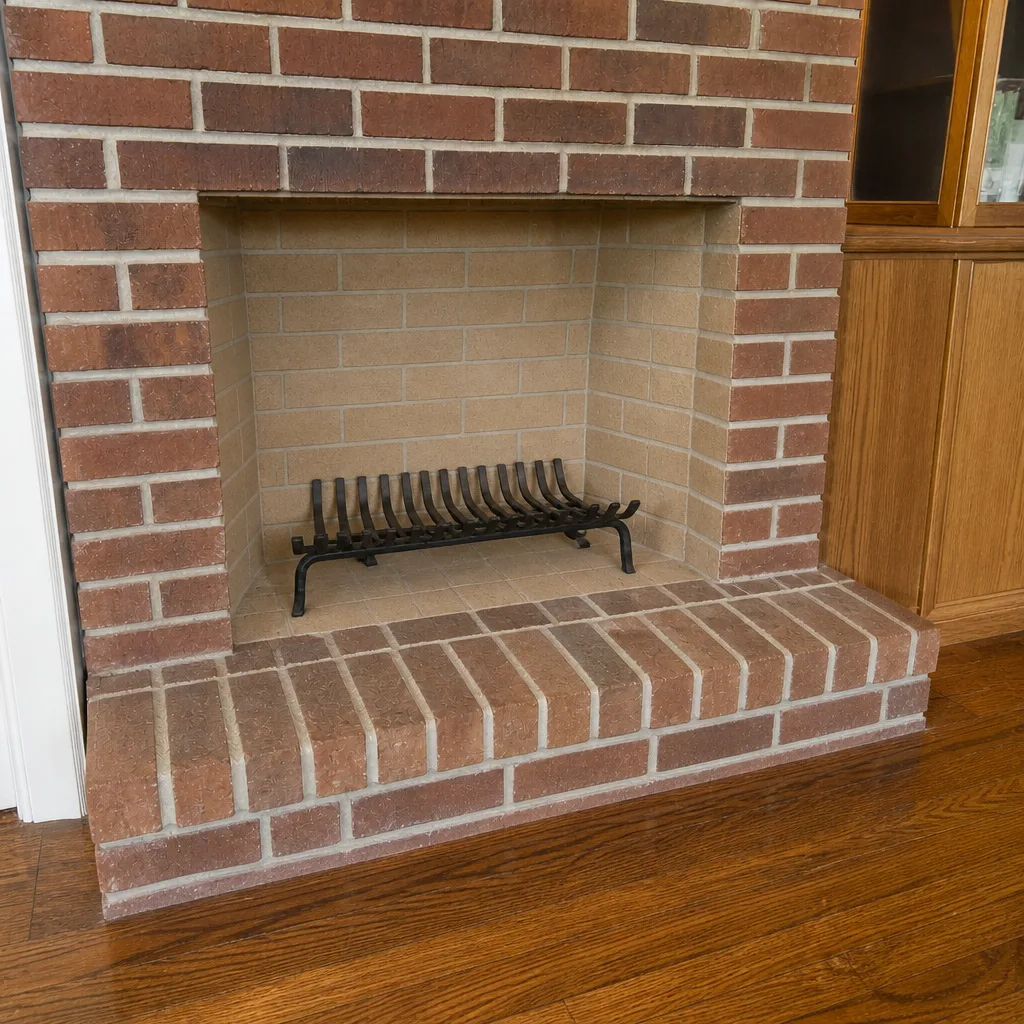
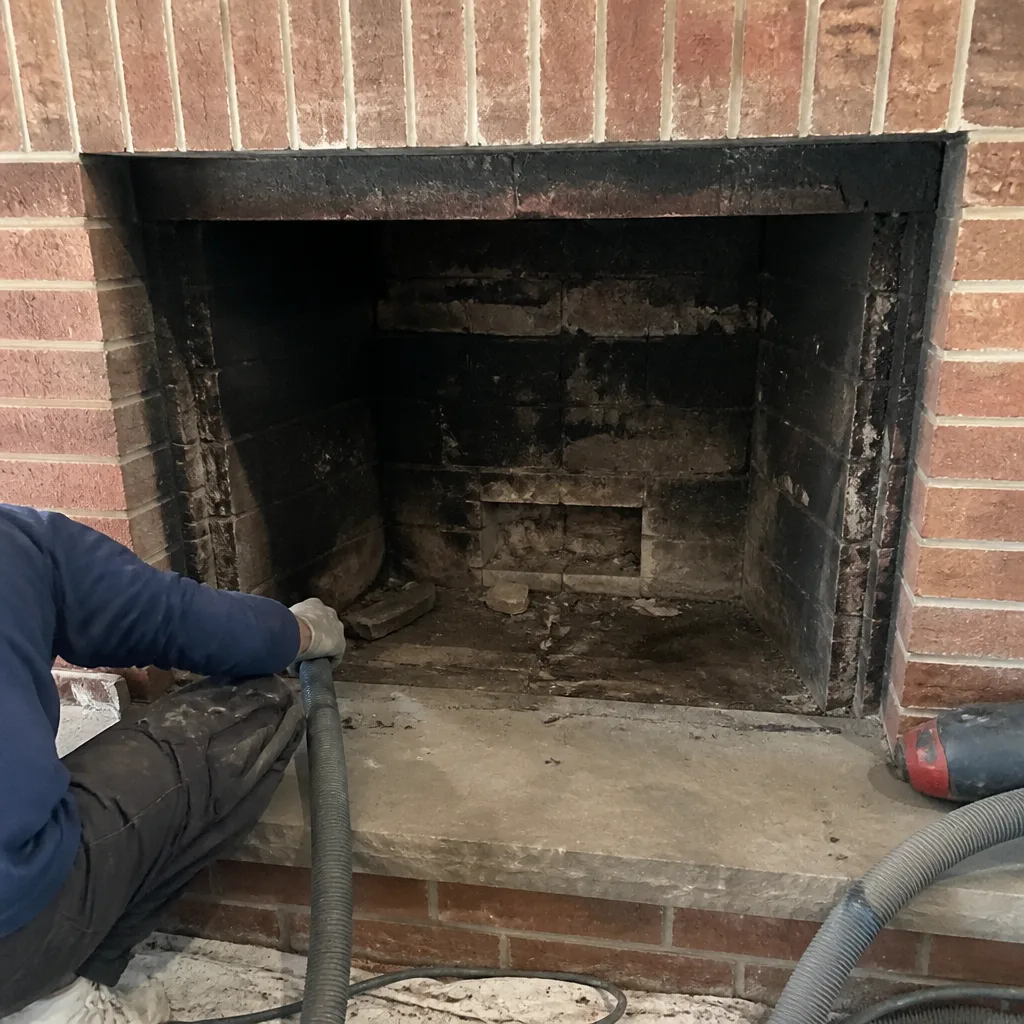
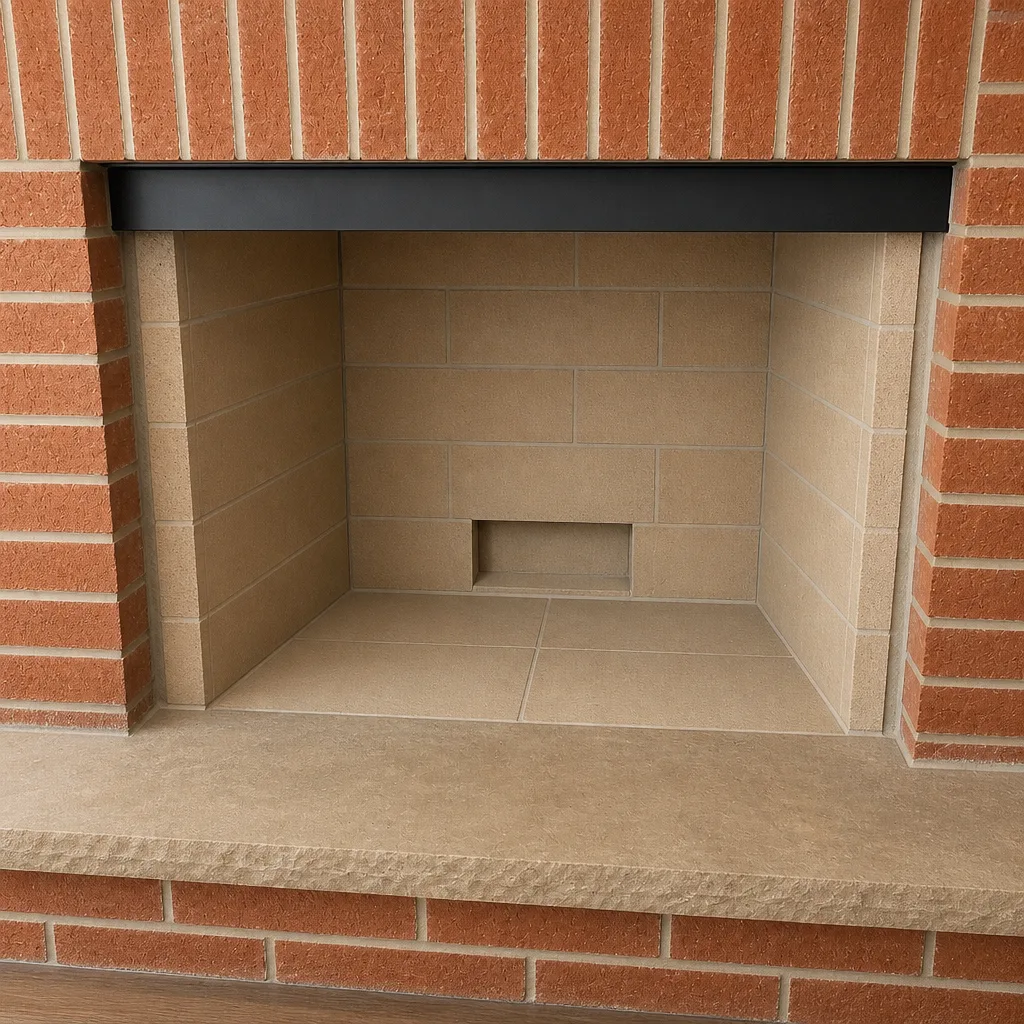
See the difference
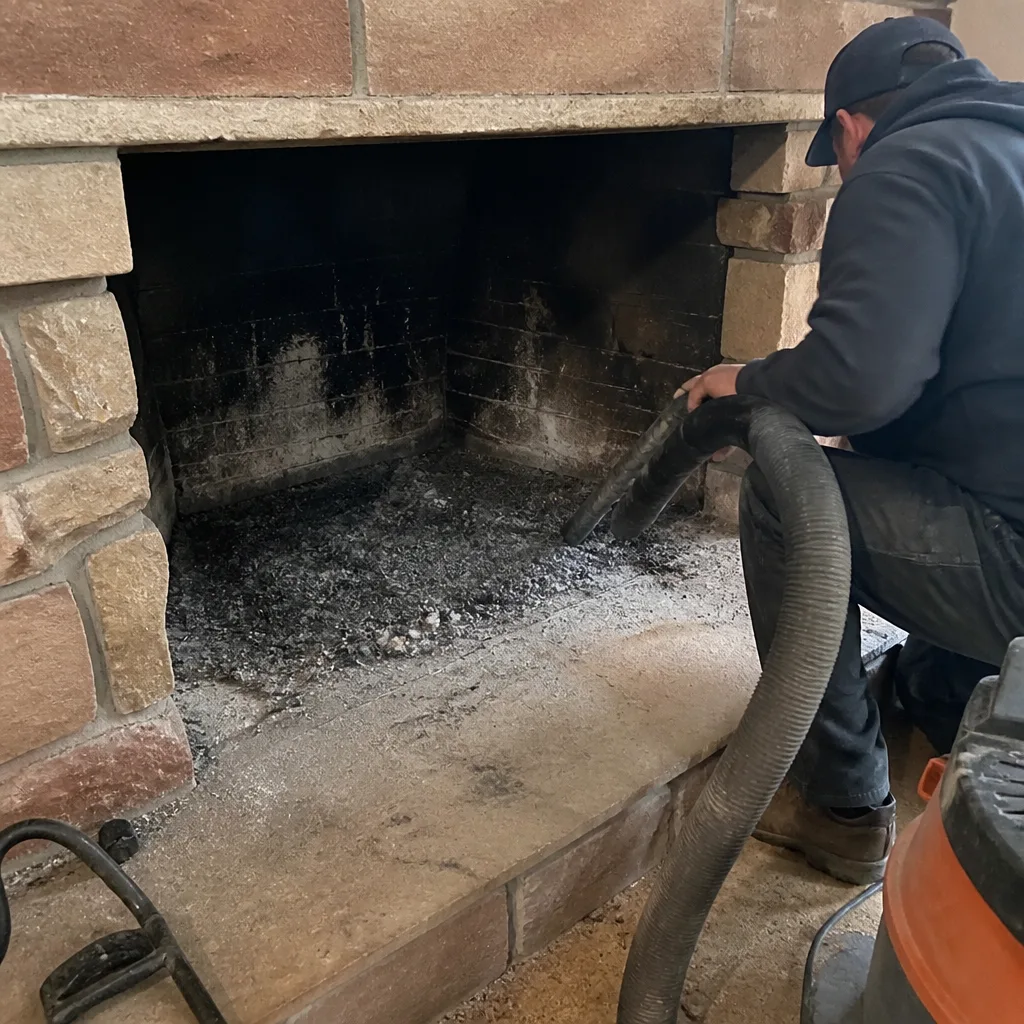 Before
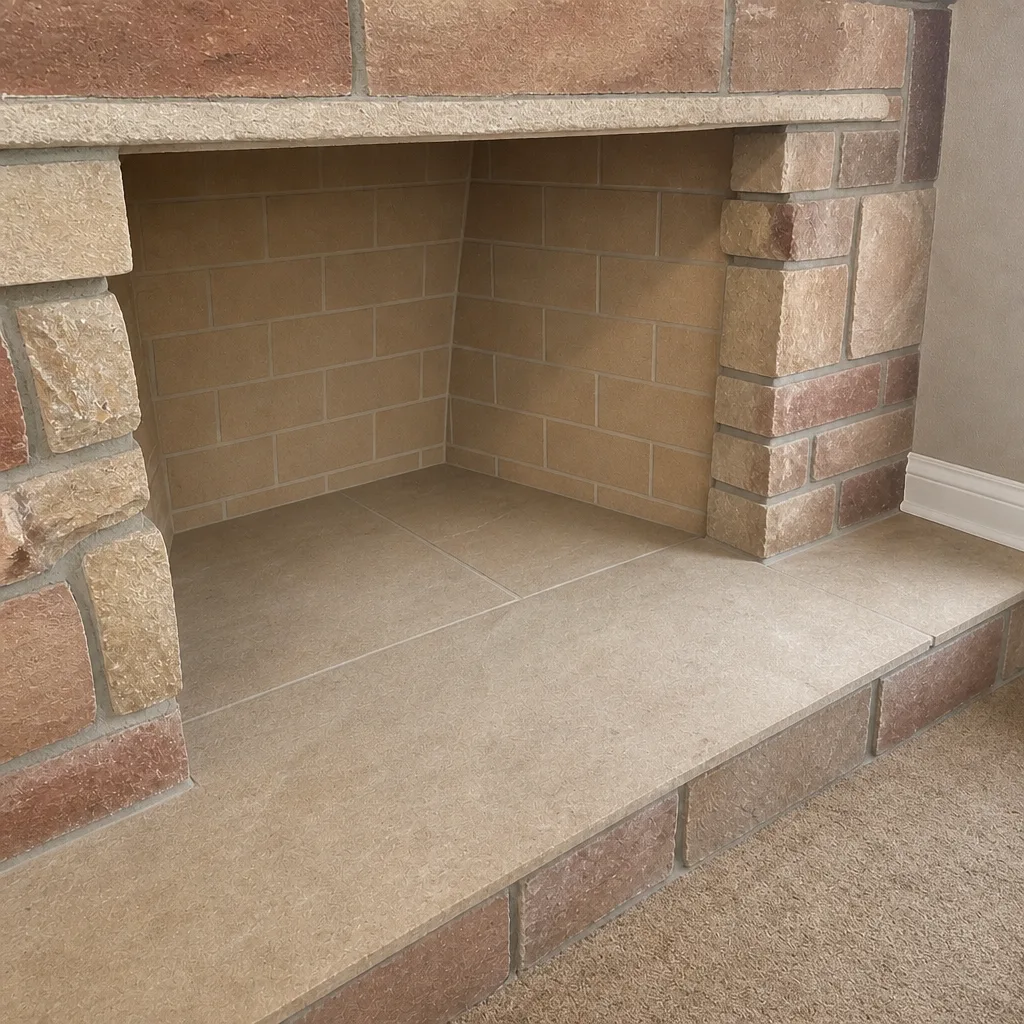 After
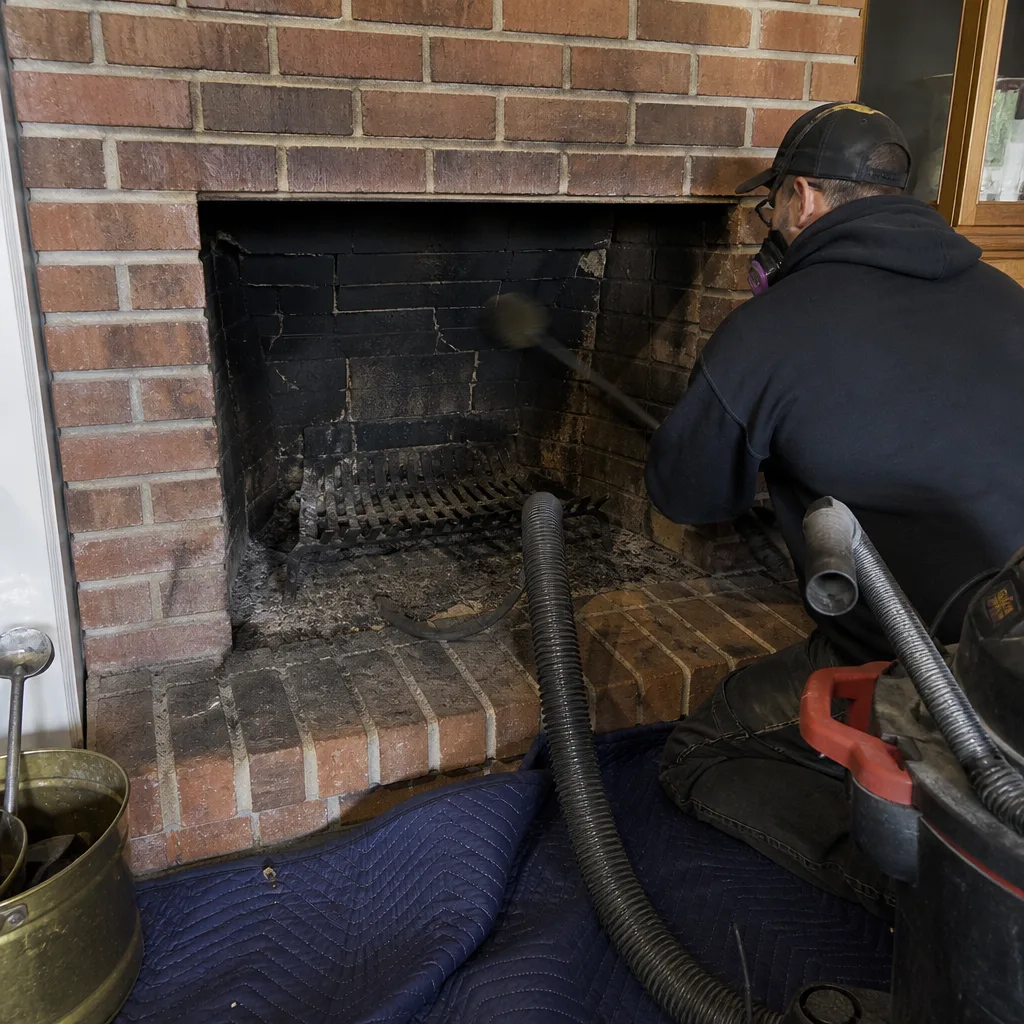 Before
 After
 Before
 After
When to Call a Professional
Some situations call for a professional sweep without waiting. If you’ve never had the chimney serviced and you’re planning to burn this season, book an inspection before the first fire. If you smell smoke backing into the room, if the fire doesn’t draw well, if creosote has visibly built up on the damper or firebox walls, if the cap is missing or damaged, or if the crown has visible cracks, those are all signs that the chimney needs eyes on it before it gets more use. A chimney fire isn’t always obvious when it happens – a slow, hot burn can do real damage without flames at the top – and carbon monoxide from a blocked or damaged flue is a serious hazard in any season. If you suspect either, don’t burn until the system has been inspected.
Chimney Sweep Broomfield offers free estimates in Broomfield – call (833) 513-8675. We answer 24/7. Fast dispatch from 7am to 7pm, Sunday through Friday. Our technicians have up to 8 years of experience and work with professional-grade materials throughout.
Frequently Asked Questions
Most wood-burning chimneys should be swept once a year, and inspected at the same time. Gas appliances have different intervals, so ask the technician to recommend based on your appliance type and how much you burn. If you burn frequently, a mid-season check is reasonable. Call (833) 513-8675 for an exact recommendation – estimates are free.
No. Colorado has no state licensing requirement for chimney sweeps, so anyone can legally perform the work. That’s why voluntary certification through a body like the CSIA matters here – it’s the main check you have. Ask for the certification name and verify it, then call (833) 513-8675 to compare notes – estimates are free.
Not always – it depends on what the inspection actually found. A cracked or deteriorated flue may be repairable with ceramic resurfacing rather than a full liner replacement, and a good report will lay out both options. Never accept a reline recommendation without seeing the photos. Call (833) 513-8675 for an inspection with a written report you can review.
Pricing depends on the system, accessibility, and whether inspection is separate, so the only number that matters is the one in your written estimate. Ask for the quote before booking and confirm what the visit includes. Call (833) 513-8675 for a free estimate – the price is set per job by the written quote.
Creosote keeps building, and at the higher stages it becomes the fuel for a chimney fire. A flue that was borderline last year may be past it this year, and the first cold snap plus the first fire is a common time for problems to surface. Book an inspection before burning. Call (833) 513-8675 – estimates are free.
A written report should document every accessible part of the system, include photos of anything flagged, and separate what needs attention now from what can wait. If a contractor only gives verbal feedback, ask for the report in writing. Call (833) 513-8675 for an inspection with photo documentation you can keep.
The Bottom Line
Hiring a chimney contractor in Broomfield comes down to four checks that Colorado law doesn’t do for you: certification, process, documentation, and insurance. A certified technician inspects the whole system, hands you a written report with photos, and names the materials they’d use. A brush-and-go operator sweeps the flue, gives you a verbal summary, and is gone. The difference matters most in a metro where every sign looks similar and only the follow-through separates one from the other. Verify first. Then book. Cap, crown, liner, firebox – the whole system is worth the careful hire.
Call (833) 513-8675 for a free estimate on chimney sweep, inspection, and repair work in Broomfield. We answer 24/7. Fast dispatch from 7am to 7pm, Sunday through Friday.
Written by the team at Chimney Sweep Broomfield.