
Last updated November 25, 2026
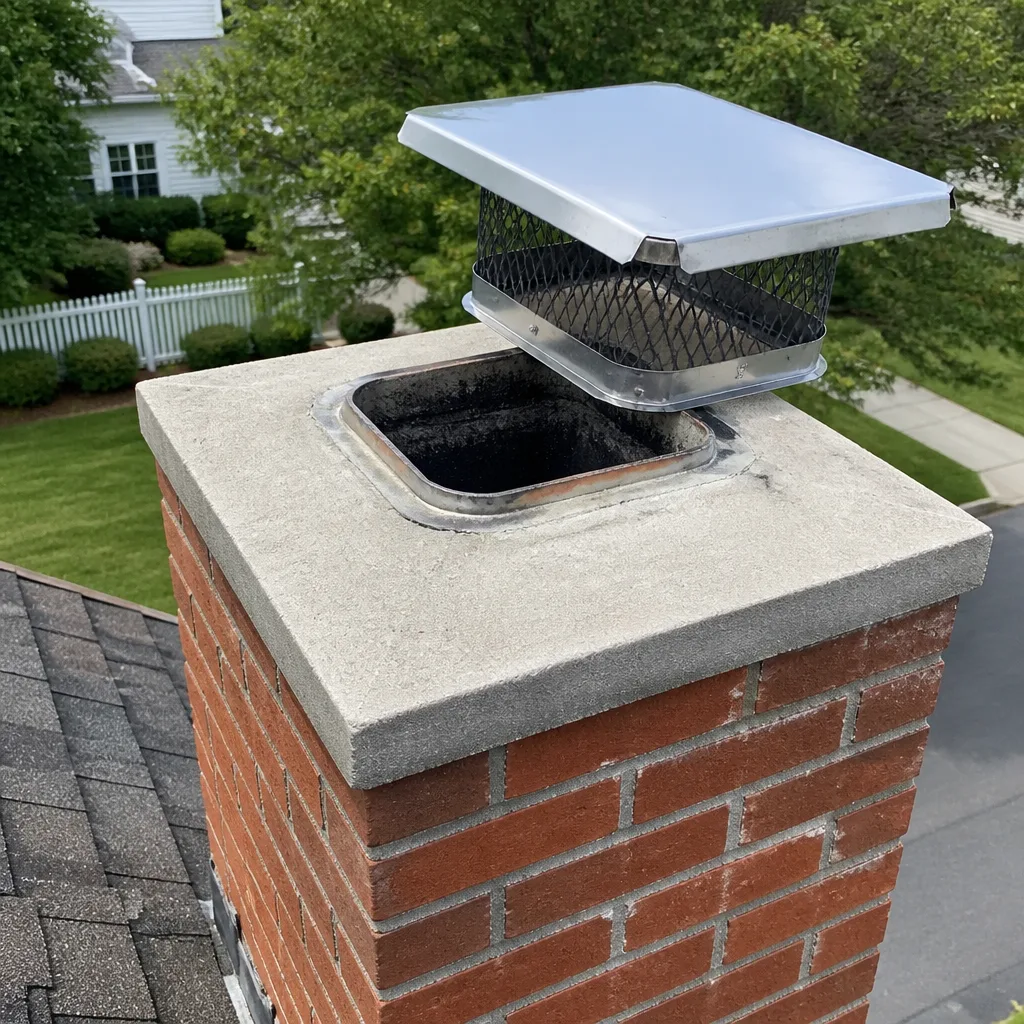 Sweep & inspection
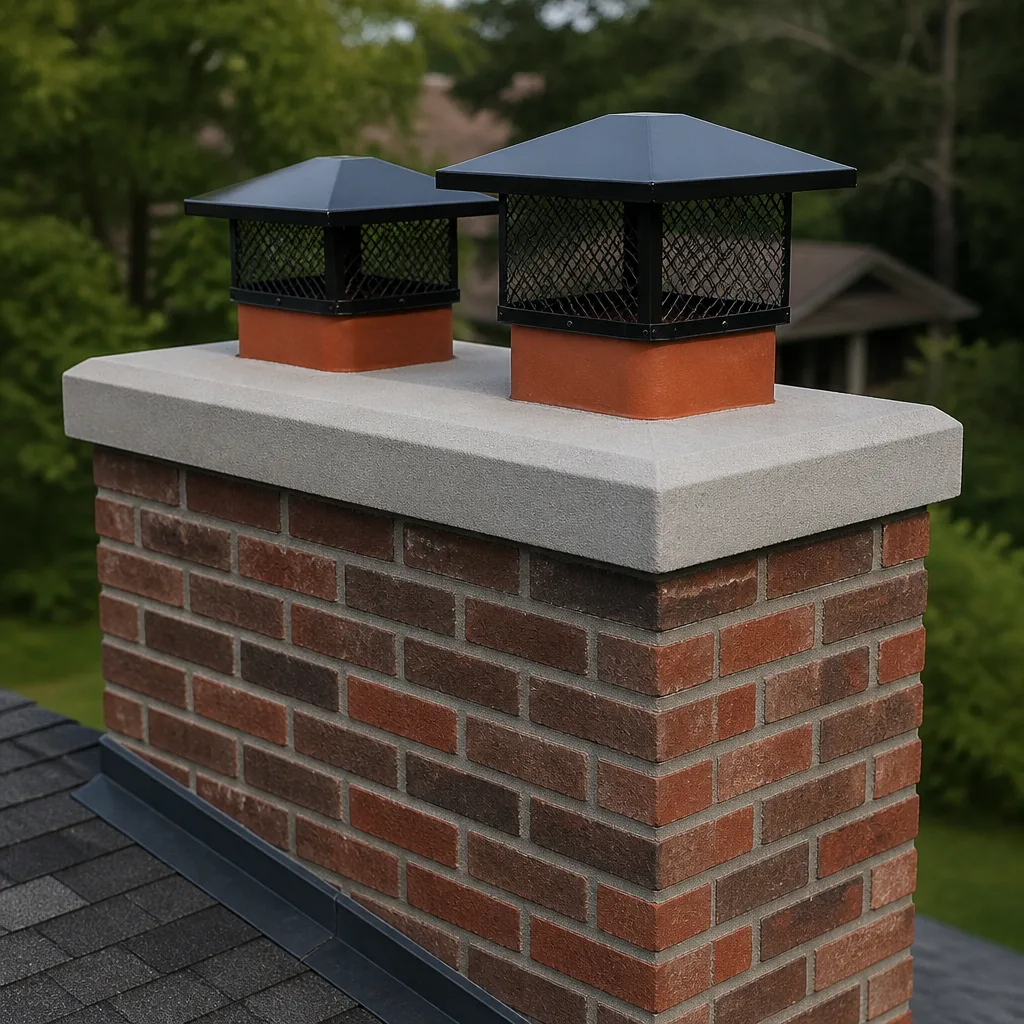 Caps & crowns
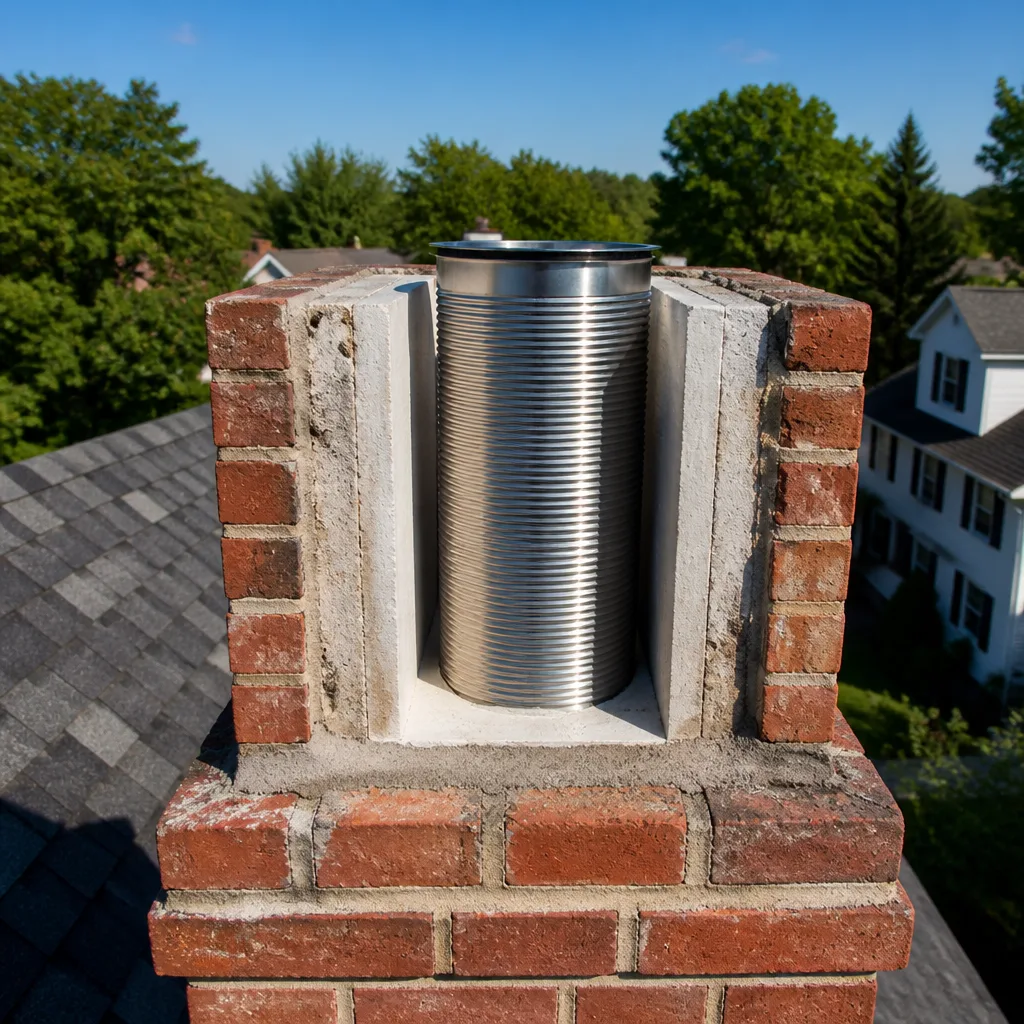 Flue relining
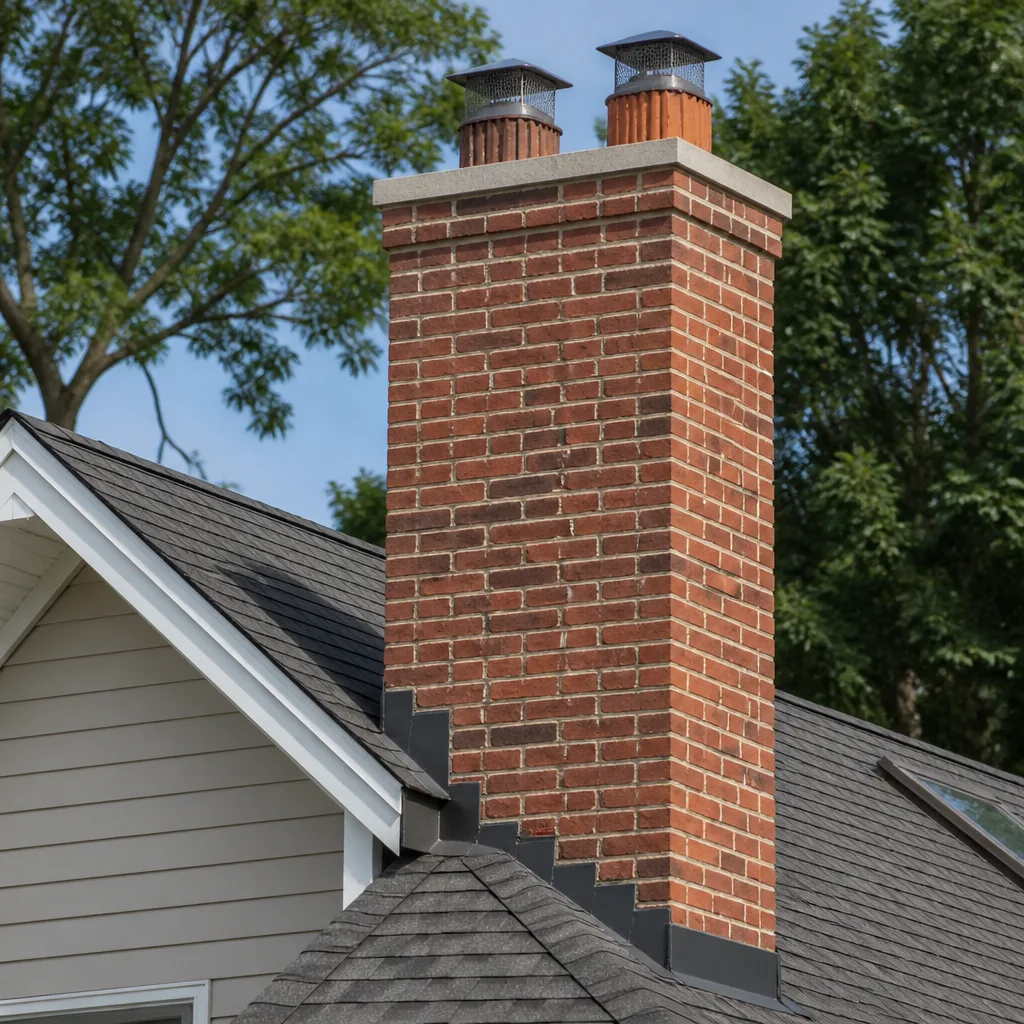 Masonry repair
 Gas fireplace service
Level 1 sweep and inspection to the NFPA 211 annual standard - flue, crown, cap, and flashing checked and photographed
Chimney sweep logs do not sweep chimneys. They loosen some creosote - which then falls where a brush and vacuum still have to collect it.
DIY vs Professional Chimney Cleaning: The Broomfield Homeowner’s Decision Guide
A chimney brush removes loose soot. That’s its job, and it does that job well. What it does not do is remove hardened stage-two creosote, find a hairline crack in a liner, tell you whether your smoke chamber is shedding, or catch the conditions that lead to a chimney fire. That gap between “the flue looks clean” and “the flue is safe” is the whole decision in front of you. This guide walks Broomfield homeowners through what a brush-only cleaning actually accomplishes, what it structurally cannot touch no matter how careful you are, and how to judge which side of the line your own chimney falls on.
Quick Answer
Professional cleaning wins for any wood-burning chimney with meaningful use, because a brush removes soot but only a trained sweep with the right tools can remove stubborn creosote and inspect the flue for the defects that cause fires. DIY brushing makes sense in one narrow case: a light-use gas fireplace where a professional inspection already sets your annual baseline. If you burn wood more than a few times a month, or your chimney has never been inspected, get it done professionally in Broomfield.
Styles & brands we work with
- Sweep & inspection
- Caps & crowns
- Flue relining
- Masonry repair
- Gas fireplace service
Table of Contents
- What a DIY Chimney Brush Actually Removes
- What a Brush Cannot Fix, No Matter the Technique
- The Tools That Require a Professional Setup
- The Real Risk Math of Skipping Inspection
- The One Scenario Where DIY Makes Sense
- How to Judge Your Own Chimney’s Complexity
- What a Professional Cleaning Actually Involves
- Broomfield Chimneys and the Front Range Burn Season
What a DIY Chimney Brush Actually Removes
A chimney brush scrapes away the soft, powdery soot and the light, flaky early-stage creosote that clings loosely to flue walls. That’s real material, and removing it is genuinely worthwhile. It’s also the easiest part of the job. The brush reaches the surfaces it can touch at the angle it can hold, and it knocks down whatever gives way under light mechanical pressure.
Here’s what that covers and what it leaves:
- Removed by brushing: loose soot, dust, light ash films, and flaky first-stage creosote that powders off when you touch it.
- Not reliably removed by brushing: glazed stage-two creosote, the shiny, hardened, tar-like deposit that has bonded to the flue wall.
- Never touched by brushing: the smoke chamber above the damper, the crown, the cap, the firebox seams, and the hidden exterior of the flue.
Creosote has three recognized stages, and the difference matters most in a place like Broomfield, where a dry, cold burn season pushes people to slow the air down and stretch each fire. A slow, smoldering burn is exactly what produces the stage-two glaze a brush skates right over. When a homeowner tells us the flue “looked clean” after their own brushing, the glaze is usually still there – just polished rather than removed. You can read the full scope of what a real chimney sweep covers before booking anything.
What a Brush Cannot Fix, No Matter the Technique
Even a patient homeowner with the right brush and good technique hits a hard ceiling. Some problems aren’t about effort, they’re about access and equipment. A brush on a rod reaches the flue and stops there. The failures that lead to real trouble happen everywhere the brush doesn’t go.
Consider what a professional is actually checking that a brush-only job never sees:
- Liner integrity. A cracked or spalling clay tile liner lets heat and gases reach the combustible structure around it. You can’t see fine cracks from inside the firebox with a flashlight.
- Smoke chamber condition. The sloped chamber above the damper collects creosote and degrades in ways that a brush never addresses. It’s a common fire origin point.
- Stage-two glazed creosote. This needs chemical treatment or rotary abrasive work, not a hand brush. Glaze is fuel sitting on the wall of your flue.
- Obstructions. Nests, fallen masonry, and debris sitting on the smoke shelf. Brushing from below can push an obstruction into a worse spot rather than clear it.
- Exterior water intrusion. A failing crown or a cracked cap lets water in, which breaks down masonry and liner material from the outside in.
This is the honest core of the decision. A clean-looking flue is not the same as a safe one, and no amount of careful brushing changes that. We inspect it, we repair it – same team, same standard. That’s the difference between surface cleaning and knowing what’s inside your flue before you light the next fire.
The Tools That Require a Professional Setup
The gap between DIY and professional isn’t just skill, it’s equipment. Several of the tools that make a real difference in a Broomfield chimney can’t be used safely or effectively by a homeowner working from the firebox with borrowed gear. These require training, controlled setup, and the ability to read what the results mean.
Here are the tools that separate a competent professional cleaning from a brush-and-hope approach:
- Rotary cleaning systems. Powered whips and chains that spin against the flue wall to remove glazed creosote. Used wrong, they can crack tiles or scar a liner, so they demand a trained hand and the right heads for the flue material.
- Video scanning equipment. A camera run down the flue shows the interior of the entire chimney, not just the parts your flashlight reaches. This is how cracks, gaps, and missing mortar joints actually get found.
- Chemical creosote treatments. Products that soften stage-two and stage-three glazed creosote so it can be safely removed. Getting the product, dwell time, and ventilation right is its own discipline.
- Liner resurfacing systems. HeatShield ceramic flue resurfacing repairs a deteriorating flue without ripping out and replacing the whole liner – a technique most sweep-only operations can’t offer because it needs specialized training and materials.
- Professional-grade liner components. When a liner does need replacement, we install DuraFlex flexible liner systems and work with names like Olympia Chimney and Copperfield, so the repair uses trade-level components, not big-box substitutes.
That toolset is why a proper cleaning in Broomfield is really a cleaning plus a diagnosis. A clean chimney is the starting point. A safe chimney is the goal, and reaching it takes more than a brush on a stick.
The Real Risk Math of Skipping Inspection
Suppose you do everything right with your own brush. You scrub thoroughly, you’re careful, and the flue looks clean from the bottom. Here’s the number that matters: you’ve still never inspected it. A thorough DIY sweep addresses the visible soot and leaves every hidden defect exactly where it was.
That’s the risk you’re accepting when you skip professional inspection – not the risk of a bad cleaning, but the risk of an unknown condition:
- A liner crack you can’t see that’s been there for a season, letting heat reach framing.
- Glazed creosote built up in a flue offset or around a damper that the brush never reached.
- A smoke chamber slowly degrading into a fire hazard you have no way to detect.
- A blocked or undersized flue causing poor draft and pushing combustion gases back into the room.
None of these announce themselves. Chimney fires often burn hot and fast inside the flue with little sign from the living room. We’re not going to scare-sell you about it – plenty of chimneys run for years without incident. But the honest trade is this: a DIY brush lowers the soot load and does nothing to tell you whether the system is sound. If you want to know that, someone has to look inside with the right equipment. That’s a separate job from cleaning, and it’s the one that actually protects the house.
The One Scenario Where DIY Makes Sense
DIY brushing makes sense in exactly one situation: a light-use gas fireplace, where a professional inspection already sets your annual safety baseline and the brushing is genuinely light upkeep between those inspections. That’s it. A gas fireplace produces far less of the creosote that wood burning does, and if you’re only running it occasionally, a modest brush-down of the firebox surfaces between professional visits is reasonable.
What qualifies as light use, honestly:
- A gas log set or gas insert used occasionally, not a primary heat source.
- A wood fireplace burned only a handful of times a season, always with seasoned wood and good draft.
- A chimney that has had a professional inspection recently enough that you know the liner and smoke chamber are sound.
Here’s the catch that keeps this narrow. The DIY case only works if a professional inspection is your annual baseline. Skip the inspection and the “light use” logic collapses, because you no longer know the condition of the thing you’re maintaining. The efficient path is the split: professional inspection once a year to establish what’s true, light DIY brushing in between if your use is genuinely low. For anything wood-burning and regular, that split doesn’t hold, and the cleaning itself should be professional. If you’re not sure which bucket you’re in, a standalone inspection settles it without obligating you to anything.
How to Judge Your Own Chimney’s Complexity
Before you decide, size up your own chimney honestly. Some systems are forgiving and some punish even minor mistakes. The three factors that matter most are construction type, fireplace age, and burn frequency.
Masonry vs. prefab
Masonry chimneys with clay tile liners are the classic case – durable, but the tiles crack and the mortar joints between them degrade. They need real inspection, not just brushing. Prefab, factory-built systems with metal liners have their own failure modes: seams, gaskets, and the insulation around the flue. Each type needs a different eye, and neither is a “set it and forget it” system.
Fireplace age
Older fireplaces often have larger, less efficient fireboxes and draft patterns that make creosote build faster. A newer, tighter fireplace burns differently. Age alone doesn’t decide it, but an older chimney deserves more scrutiny, not less, because more seasons of use means more opportunity for hidden wear.
Burn frequency thresholds
This is the simplest test. Ask yourself roughly how often you light a fire. A fireplace used a few times a season is a low-load system. One that runs most cold nights through a Broomfield winter is a workhorse, and workhorse chimneys build creosote and need professional attention on a real schedule. If you’re in the second group, DIY brushing isn’t really on the table – the deposits build faster than a hand brush can keep up with, and the inspection matters more, not less.
A quick way to summarize your own situation:
- Identify construction type: masonry or prefab.
- Note the fireplace’s rough age and any recent changes.
- Estimate how often you actually burn.
- If wood-burning and regular – or unknown condition – book a professional.
- If light-use gas with a current inspection – light DIY brushing between visits is fine.
What a Professional Cleaning Actually Involves
A professional cleaning in Broomfield looks different from the picture most homeowners have. It’s not just a bigger brush. It’s a sequence that cleans and evaluates at the same time, so that when it’s done you know the condition of the whole system, not just the soot level.
Here’s the general flow of a proper service:
- Setup and protection. Drop cloths and containment so soot doesn’t end up in your living room. The work area is sealed before anything gets brushed.
- Cleaning the flue. The right brush or rotary system for the flue material, worked from the top and bottom as needed to remove soot and light creosote.
- Treating stubborn creosote. Glazed stage-two deposits get chemical treatment or rotary abrasive work, not a hand brush.
- Cleaning the firebox and smoke chamber. The parts a DIY brush never reaches get the same attention as the flue itself.
- Inspection. A visual scan and, where needed, video scanning to check the liner, smoke chamber, crown, and cap for defects.
- A clear report. What was found, what it means, and what – if anything – needs work.
That last step is the one that changes the decision. Cleaning is the starting point; the inspection is the payoff. It’s also where repairs come in if the findings call for them. Fireplace and chimney issues found during the sweep get resolved by the same team, with chimney repair and fireplace repair handled without sending you to a second contractor. For a full Chimney Sweep Broomfield, the cleaning and the assessment come together, which is the entire point of doing it professionally.
Broomfield Chimneys and the Front Range Burn Season
Broomfield’s climate shapes how chimneys age. The burn season runs through the cold, dry stretches of winter, and the dry air and temperature swings put masonry through repeated expansion and contraction. That cycle is hard on mortar joints, crowns, and caps, and it’s why water intrusion and cracking are common local concerns. A crown or cap that’s failing lets meltwater and snowmelt into the structure, and freeze-thaw does the rest.
Fireplace habits here tend to produce creosote, too. When the temperature drops and people want a fire to last, the instinct is to choke the air down and let it smolder – a slow, cool, smoky burn that lays down glazed creosote faster than a hot, clean burn does. That’s exactly the deposit a hand brush can’t remove. It’s also why a professional cleaning in Broomfield is really a cleaning plus a hard look at the liner and smoke chamber.
The good news is that the whole system can be serviced in one place. Cap and crown work addresses water intrusion at the source. HeatShield resurfacing repairs a deteriorating flue without a full liner replacement. DuraFlex liner installation handles the bigger upgrades when an insert conversion or appliance change needs the flue brought up to code. Firebox, liner, crown, cap – we service the whole system, not just the visible part. That matters in a place where the weather works on the outside of the chimney while the fire works on the inside.
Common Mistakes to Avoid
- Trusting a clean-looking flue. Soot cleared from the firebox says nothing about liner cracks or glazed creosote higher up. Judge condition by inspection, not appearance.
- Skipping the smoke chamber. The sloped chamber above the damper collects creosote and degrades over time, and it’s a common fire origin point DIY brushing never touches.
- Using the wrong brush for the flue. A stiff brush on a soft liner can scar it, and a soft brush on glazed creosote just polishes the glaze. Match the tool to the material and the deposit.
- Letting water in through a bad cap or crown. In Broomfield’s freeze-thaw cycles, water intrusion breaks down masonry and liner material from the outside, and it’s easy to overlook until real damage shows.
- Assuming a recent DIY sweep counts as an inspection. Cleaning and inspecting are separate jobs. A thorough brushing removes soot; it does not evaluate the liner, smoke chamber, or crown.
- Bolting on an insert or appliance change without checking the flue. A new insert can need the flue brought up to code, and doing it without that check leaves a compliance gap behind the wall.
- Skipping the annual sweep in a heavy-use home. A fireplace that runs most cold nights builds deposits faster than an occasional one, and the schedule should match the use.
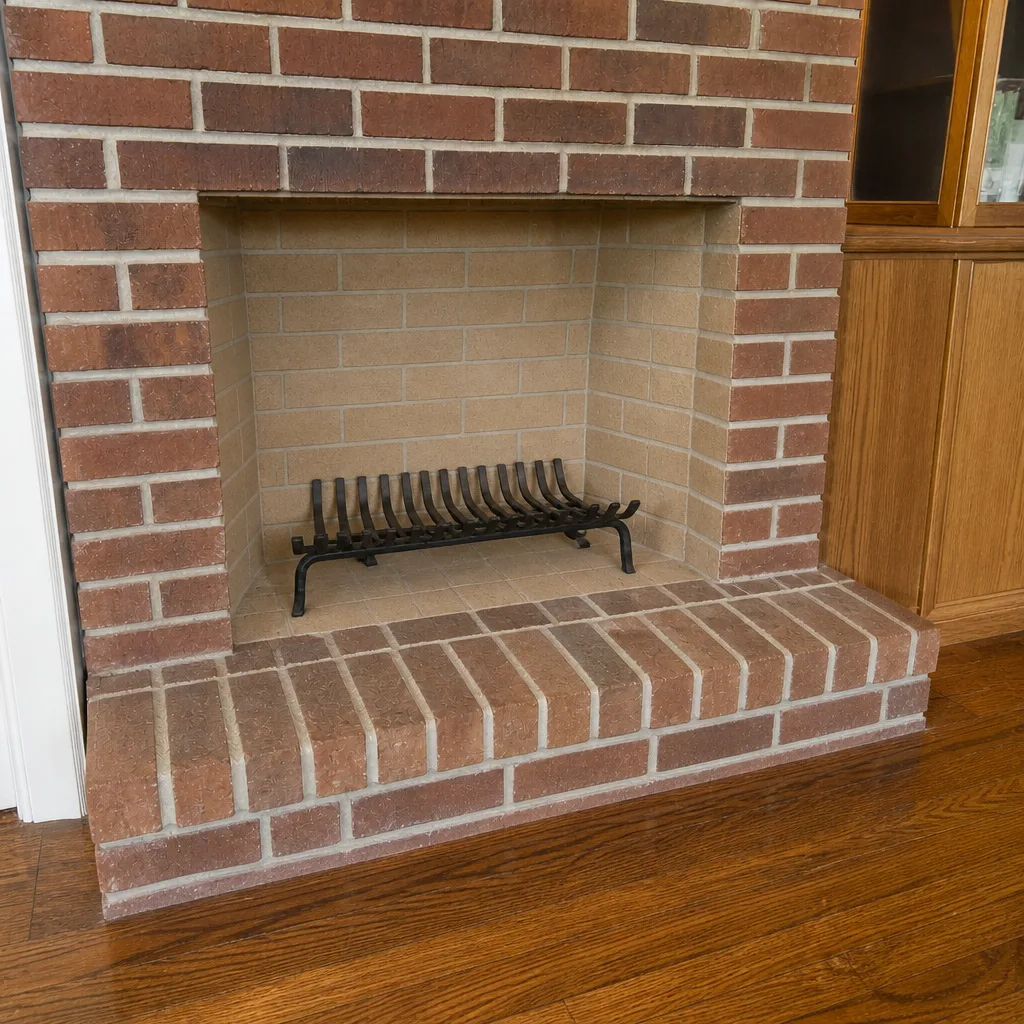
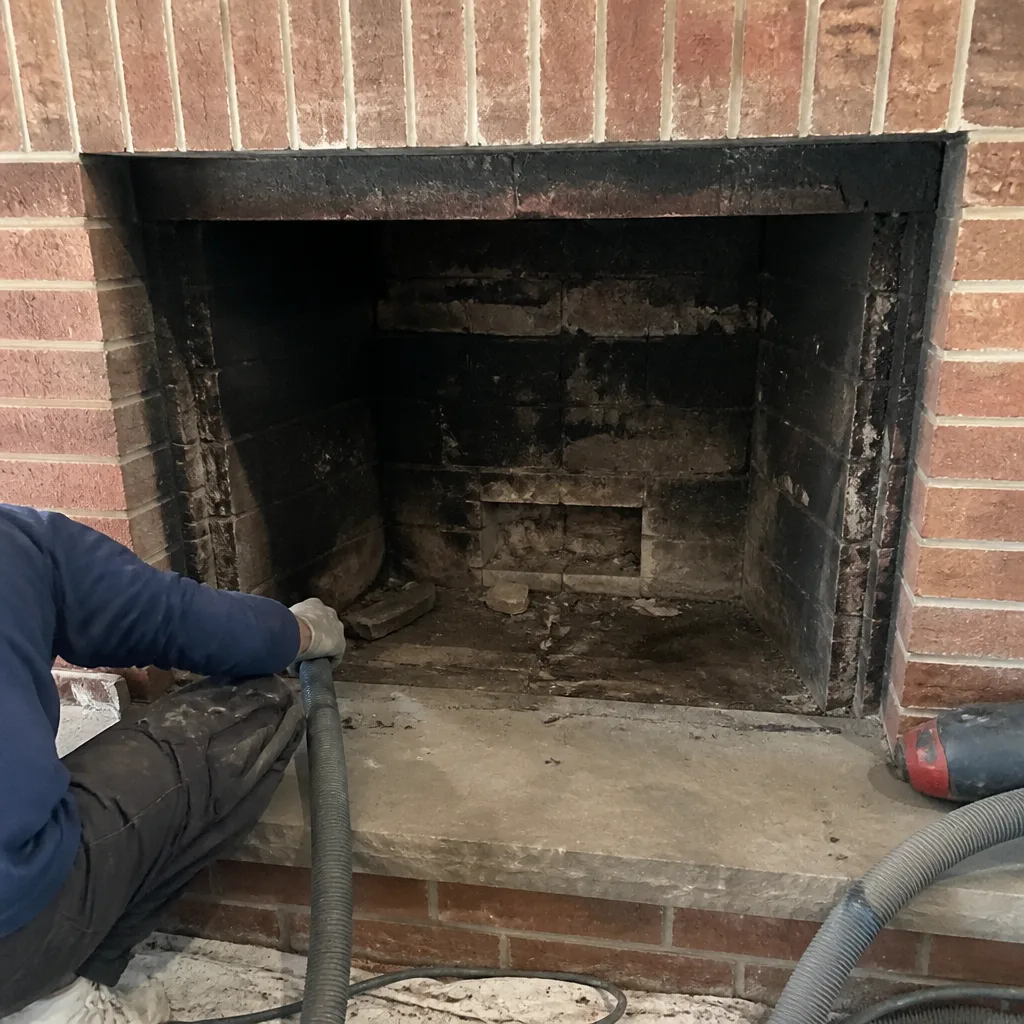
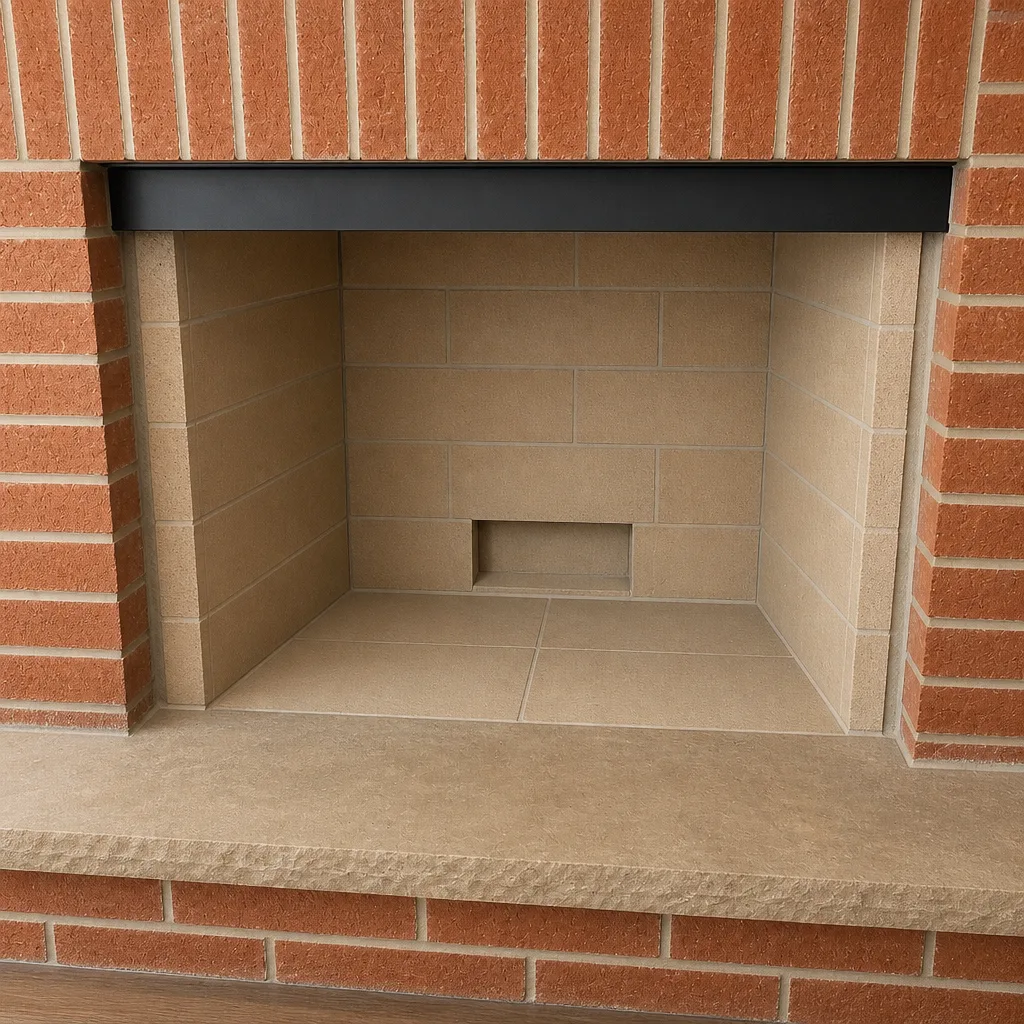
See the difference
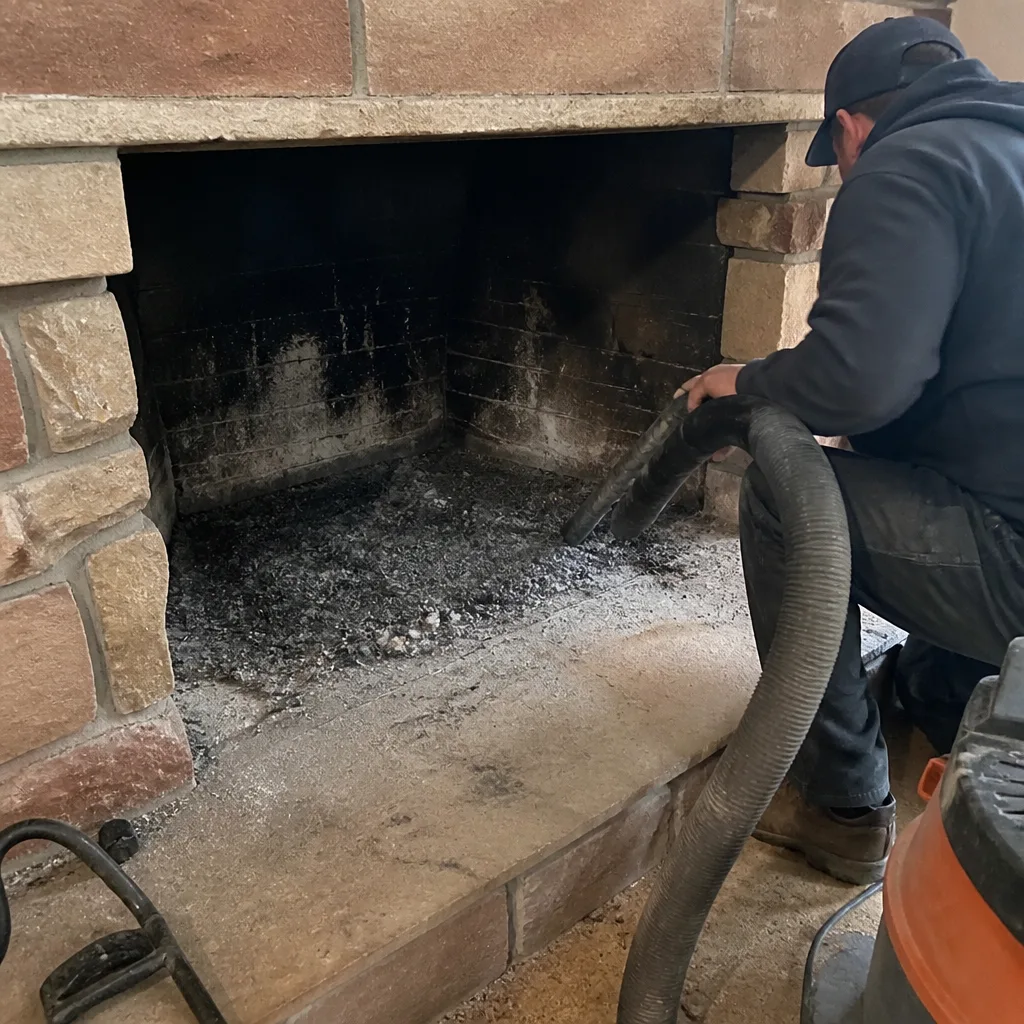 Before
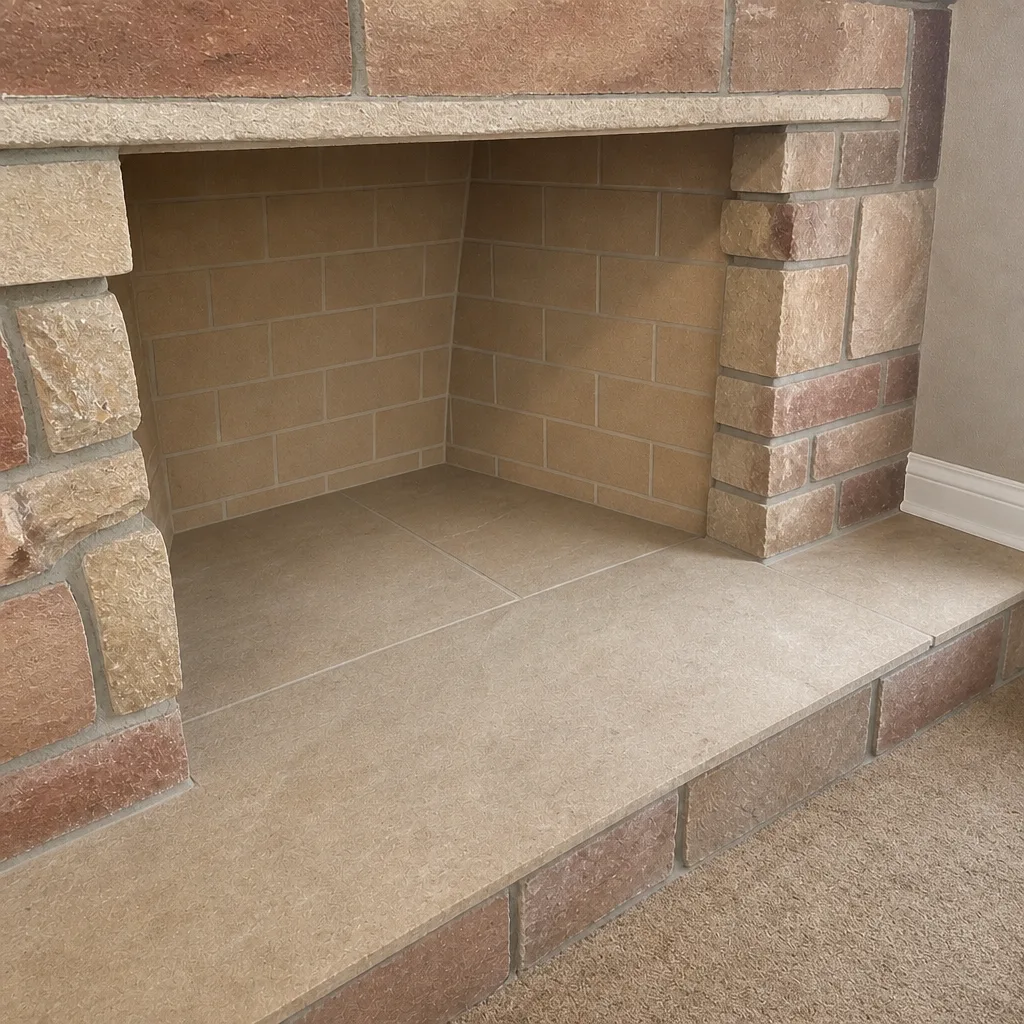 After
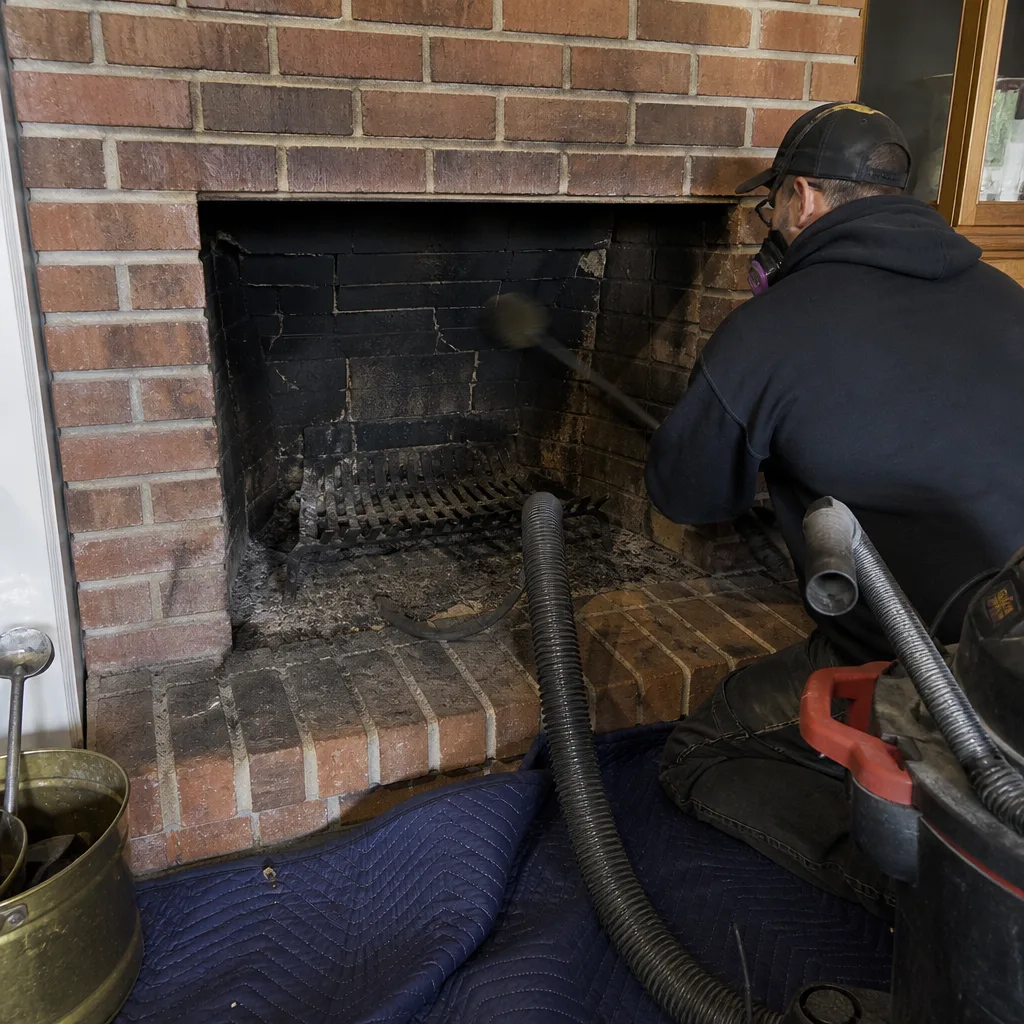 Before
 After
 Before
 After
When to Call a Professional
Call a professional if your chimney is wood-burning and regularly used, if it has never been inspected, or if you’ve noticed anything that makes you unsure – smoke backing into the room, a strong creosote smell, visible cracking in the firebox, or water stains near the chimney. Those signs point to conditions a brush can’t fix. A glaze-covered flue, a suspected liner crack, a deteriorating smoke chamber, or a failing crown or cap all land in the same place: it needs trained eyes and the right equipment. Even if you’ve done a careful DIY brushing, an inspection is what tells you whether the system is actually sound. If you’re weighing whether your own chimney falls into the DIY exception or the professional rule, the honest answer is usually one inspection away.
Chimney Sweep Broomfield offers free estimates in Broomfield – call (833) 513-8675.
Frequently Asked Questions
You can remove loose soot and light, flaky creosote with a brush, but you can’t remove glazed stage-two creosote or inspect the liner, smoke chamber, and crown. That means DIY brushing handles the easy part and leaves the fire-risk conditions untouched. For a wood-burning chimney with regular use, the cleaning and inspection should be done professionally. Call (833) 513-8675 for an exact quote – estimates are free.
Base the schedule on use: a fireplace burned regularly through the winter needs annual professional cleaning and inspection, while a light-use gas fireplace with a current inspection needs less. The deposits build faster with heavy wood burning, so match the interval to how much you actually burn. When in doubt, a professional inspection tells you the real condition and what interval makes sense. Call (833) 513-8675 for an exact quote – estimates are free.
Soot and creosote keep building, and glazed creosote becomes fuel sitting on the flue wall, raising the risk of a chimney fire. Hidden liner cracks and smoke chamber deterioration also go undetected, which is the bigger concern because those are what let heat reach the structure. Skipping cleaning doesn’t create an immediate hazard, but it removes your ability to know the condition of the system. Call (833) 513-8675 for an exact quote – estimates are free.
It removes glazed stage-two creosote through chemical treatment or rotary abrasive work, cleans the smoke chamber and firebox seams a brush never reaches, and evaluates the liner, crown, and cap in the process. In our experience the deposit that matters most in Broomfield – the hardened glaze from slow winter burns – is exactly the one a hand brush leaves behind. The cleaning and the inspection together are what make it worthwhile. Call (833) 513-8675 for an exact quote – estimates are free.
A liner only needs replacing when there’s real evidence – cracks, gaps, spalling tiles, or a flue that can’t safely vent the appliance – and you should see that evidence for yourself. We don’t recommend a liner without showing you what we found, and sometimes a flue can be resurfaced with HeatShield rather than fully replaced, which is a repair most sweep-only operations can’t offer. If the flue is sound, we’ll tell you so. Call (833) 513-8675 for an exact quote – estimates are free.
Only in one narrow case: a light-use gas fireplace where a professional inspection already sets your annual baseline and the brushing is light upkeep between visits. For anything wood-burning and regular, or any chimney whose condition you don’t actually know, DIY brushing isn’t enough on its own because it leaves the inspection undone. The split that works is professional inspection annually, with light brushing in between for genuinely low use. Call (833) 513-8675 for an exact quote – estimates are free.
The Bottom Line
A chimney brush does one thing well: it removes loose soot. That’s worth doing, but it isn’t the whole job and it isn’t the same as safety. Stage-two creosote, liner cracks, smoke chamber deterioration, and failing crowns all live where a hand brush doesn’t reach, and those are the conditions that lead to real trouble. The decision comes down to your chimney’s construction, its age, and how much you burn. If it’s wood-burning and regularly used, or you don’t know its condition, get it done professionally – cleaning and inspection together. If it’s a light-use gas fireplace with a current inspection, light brushing between professional visits is reasonable. Know what’s inside your flue before you light the next fire.
When you’re ready to settle the question for your own chimney, call (833) 513-8675 for a free estimate. We answer 24/7. Fast dispatch from 7am to 7pm, Sunday through Friday. You’ll get a straight assessment of what your Broomfield chimney actually needs, in plain terms, with no guesswork and no pressure.
Written by the team at Chimney Sweep Broomfield.