
Last updated November 25, 2026
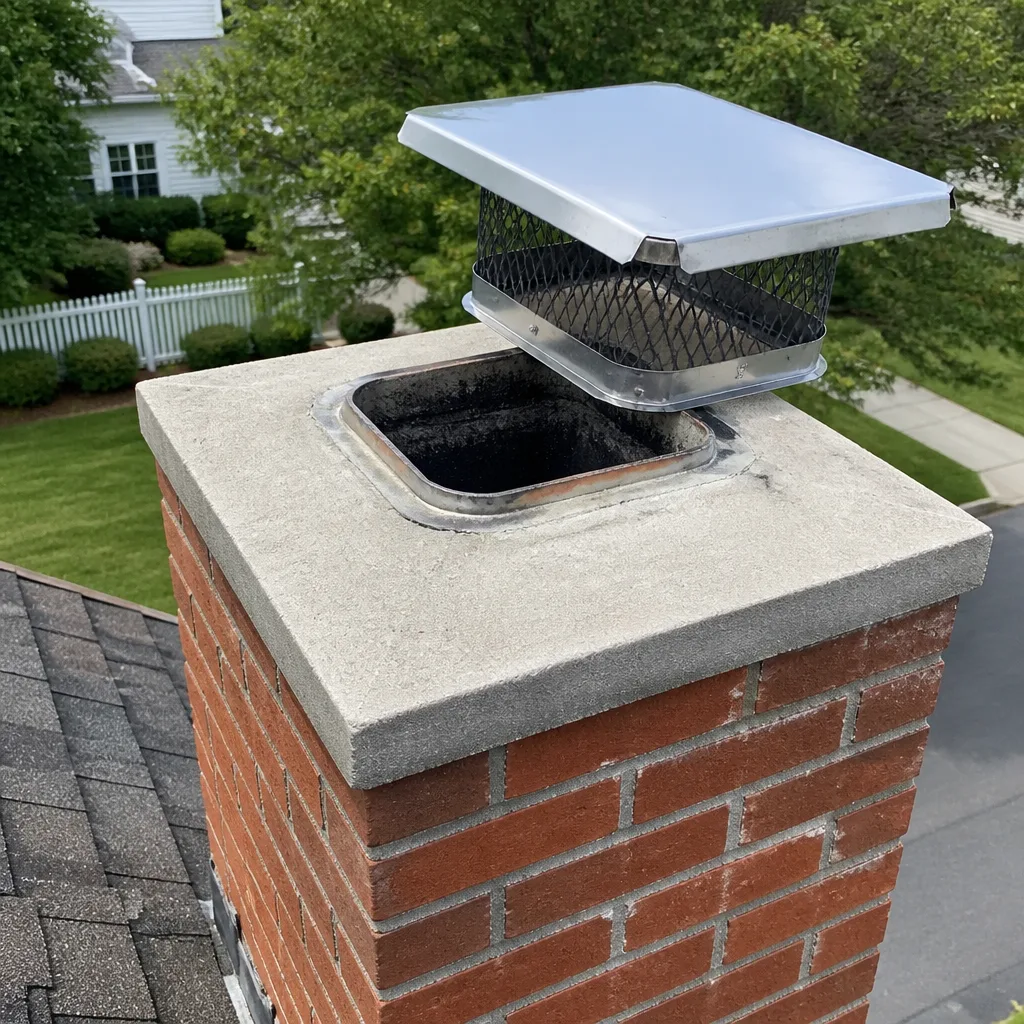 Sweep & inspection
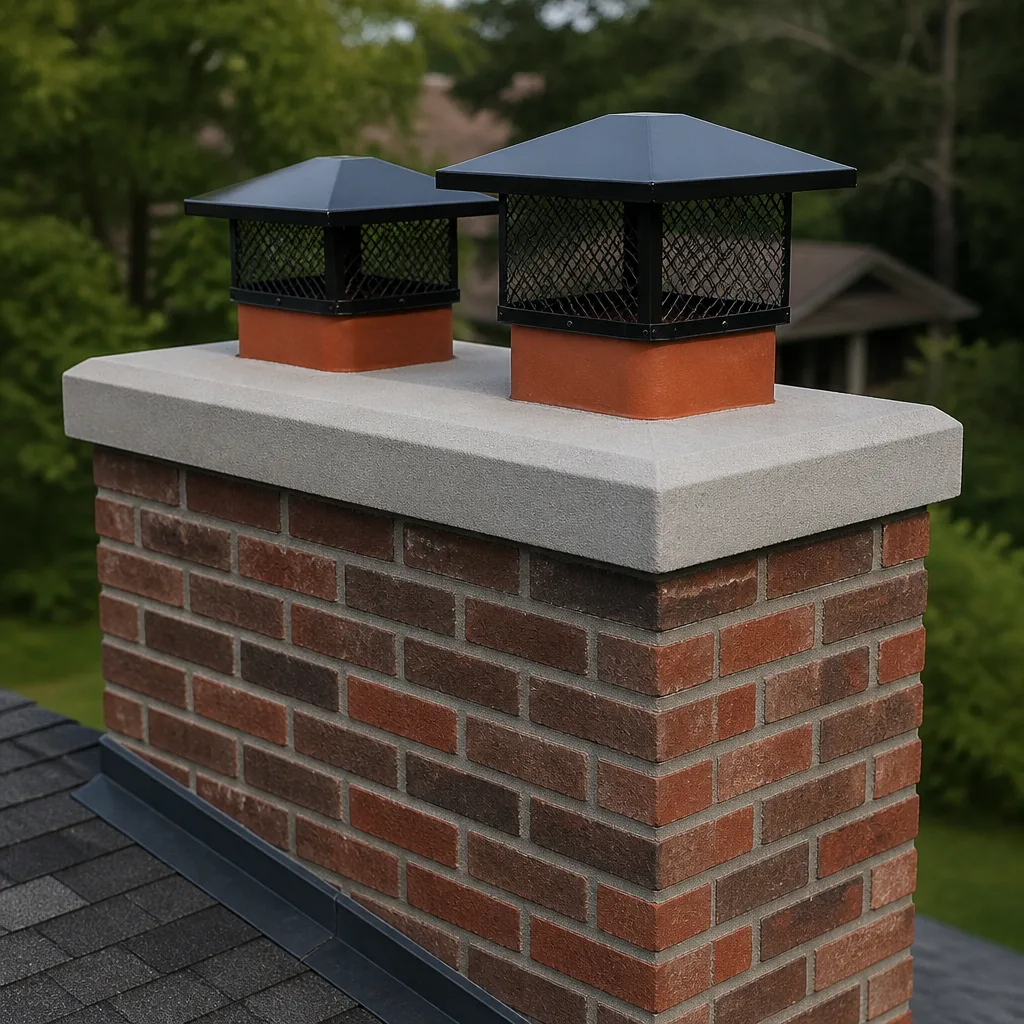 Caps & crowns
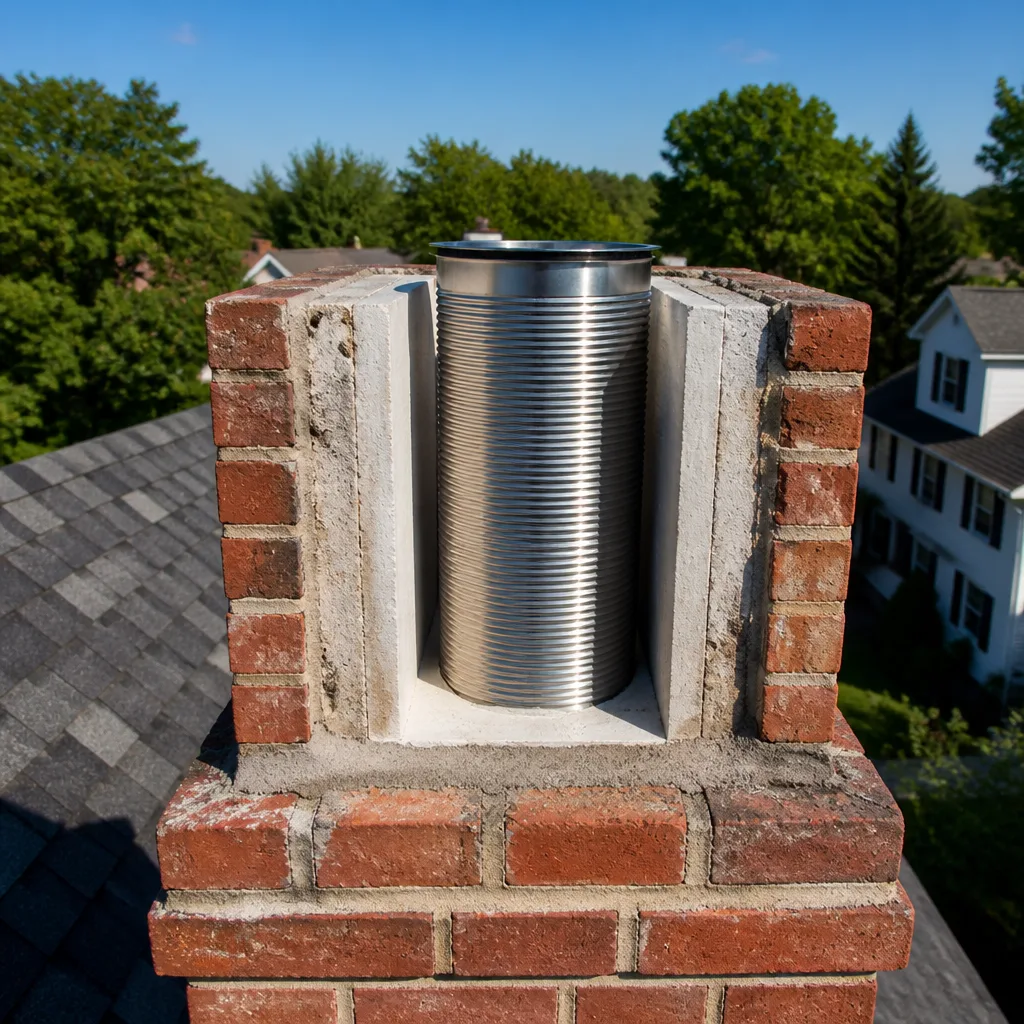 Flue relining
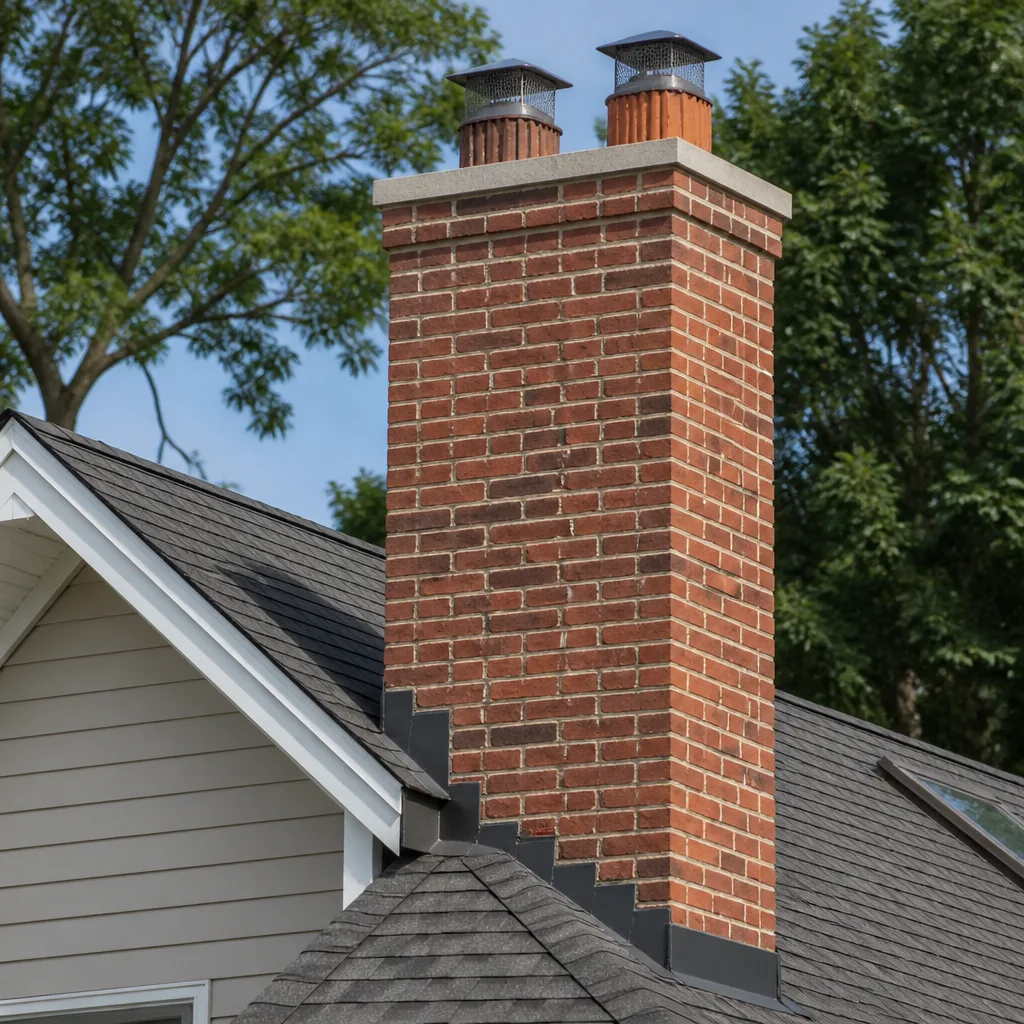 Masonry repair
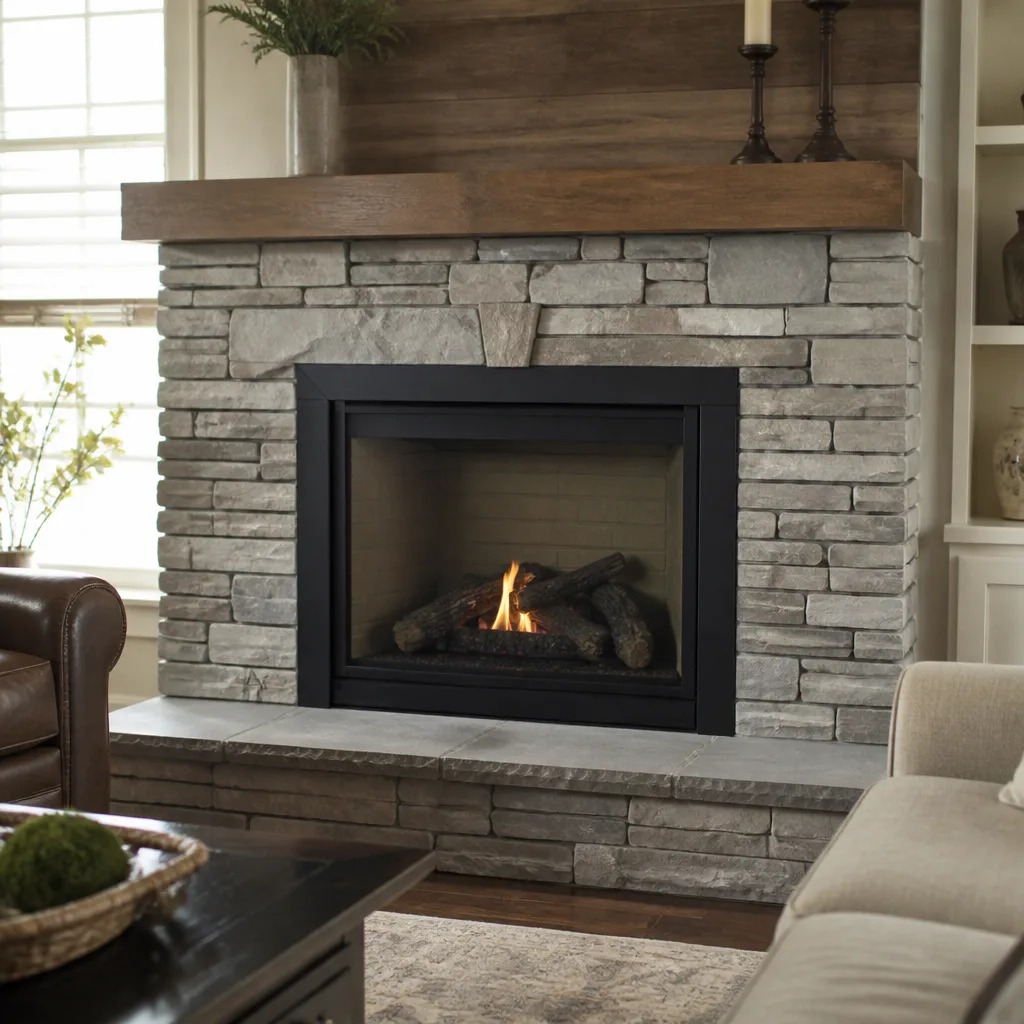 Gas fireplace service
Level 1 sweep and inspection to the NFPA 211 annual standard - flue, crown, cap, and flashing checked and photographed
Chimney sweep logs do not sweep chimneys. They loosen some creosote - which then falls where a brush and vacuum still have to collect it.
Chimney Sweep Troubleshooting in Broomfield: Common Problems and How to Fix Them
If you’re burning dry, well-seasoned wood and your fireplace still smokes into the room, the problem almost certainly isn’t the wood. It’s one of four diagnosable airflow conditions: backdraft from pressure imbalance, a genuine blockage, an undersized flue, or a house that’s running negative pressure. Each one behaves differently, sounds different, and gets fixed a different way. What most Broomfield homeowners need isn’t a guess, it’s a way to tell those four apart before anyone shows up. This guide maps each symptom to its mechanical root, explains how Broomfield’s elevation at roughly 5,344 feet changes the diagnosis, and shows you how to describe a problem clearly enough that a technician arrives with the right tools and the right parts the first time.
Quick Answer
Most chimney problems that look random actually trace to one of four causes: negative pressure in the house pulling smoke back down, a physical blockage in the flue, an undersized flue for the appliance, or a structural failure like a cracked liner or failing crown. Broomfield’s 5,344-foot elevation reduces available draft, so airflow problems that would be minor at sea level show up here as visible smoke and weak fires. The safe way to sort them out is a camera inspection first, then repair from the same team using professional-grade materials.
Styles & brands we work with
- Sweep & inspection
- Caps & crowns
- Flue relining
- Masonry repair
- Gas fireplace service
Table of Contents
- Smoke Coming Into the Room: How to Tell Four Causes Apart
- Why Broomfield’s Elevation Changes the Draft Equation
- The Smell Test: Creosote vs. Cracked Liner vs. Animal Intrusion
- What’s Safe to Check Yourself and What Isn’t
- How to Document a Problem So It Gets Fixed in One Visit
- Cap and Crown Problems: Where Water Actually Gets In
- Liner Troubleshooting: Repair, Resurface, or Reline
- The Broomfield Seasonal Checklist Before Burning Season
Smoke Coming Into the Room: How to Tell Four Causes Apart
This is the most common call we get, and it’s usually described as “the fireplace just stopped working.” In our experience, it’s rarely sudden. One of four conditions has usually been developing quietly. The trick is that all four produce smoke in the room, but they behave differently at the point of ignition, during the fire, and when you open a door or window. Those differences are your diagnostic keys.
1. Backdraft from a cold flue
In winter, a flue that hasn’t run in hours sits at outside temperature. Cold air is denser and heavier, so it wants to sink down the chimney and push smoke into the room instead of up and out. This is why a fire in Broomfield on a cold morning backdrafts for the first two or three minutes and then settles once the flue warms. It’s not dangerous by itself, but it’s a symptom worth tracking. Persistent backdraft on every cold start points to a chimney that can’t hold heat, which usually means a liner issue or a damper that isn’t sealing.
2. Negative house pressure
Modern homes are tight. Bathroom fans, kitchen exhaust hoods, dryer vents, and furnace intakes all pull air out of the house. When the volume pulled out exceeds the volume coming in, the house balances itself through the chimney, pulling air (and smoke) down the flue. The test is simple: crack a window in the same room as the fireplace and see if the smoke stops. If the draft recovers immediately, you have a pressure problem, not a chimney problem. The fix is make-up air and fan management, not a new chimney.
3. Physical blockage
A flue blocked by a bird nest, a collapsed liner section, a fallen cap, or heavy creosote glazing behaves completely differently: the fireplace smokes throughout the burn, regardless of flue heat, and gets worse as the fire grows. Air can’t get in, so smoke can’t get out. Blockages are the most common cause of total failure, and they’re the one that should never be ignored. Reduced draft from a partial block is also a slow carbon monoxide risk you can’t see or smell.
4. Undersized or mismatched flue
- Smoke starts when the fire is small, then improves as it heats, then goes bad again when the fire dies.
- You smell smoke with no fire at all if the house pressure drops.
- The flue was sized for the original fireplace opening but a larger insert or a new appliance was added later.
- Performance is worse in cold weather and better in warmer months.
An insert conversion that was never matched to a properly sized liner is one of the most common hidden causes, and it’s exactly the kind of thing an inspection catches that a sweep-only visit misses.
Why Broomfield’s Elevation Changes the Draft Equation
At roughly 5,344 feet, Broomfield sits high enough that draft mechanics work differently than they do at lower altitudes. Air is thinner here. Thin air carries less oxygen per cubic foot, so fires burn slower and generate less heat. Less heat in the flue means less temperature differential between the hot flue gas and the cold outside air, and that differential is the engine that drives draft. Every chimney in Broomfield is working with a weaker engine than the same chimney would have at sea level.
That single fact explains a long list of things homeowners blame on other causes:
- Slow fire start. Thin air delivers less oxygen, so the fire takes longer to reach full burn. Not a draft failure.
- Smoke on cold starts. Weaker draft means the flue takes longer to reverse from cold to hot, so backdraft hangs around longer than you’d expect.
- Weak smoke smell on start-up. A cold flue that isn’t drafting carries a light smell into the room.
- Insert performance issues. A wood insert installed without a correctly sized liner struggles more at elevation because it’s relying on a weaker draft to move combustion air.
The practical consequence for Broomfield homeowners is that a flue that would have been marginal at low elevation becomes visibly bad here. A fireplace that only smokes a little at 500 feet will smoke a lot at 5,344. When a technician inspects and finds a correctly sized liner and no blockage, elevation is often the answer to the “why is it always weak” question. The fix is usually right sizing (a properly matched liner), a warmer flue start, or a better cap and top connection. What doesn’t work is adding more wood to compensate.
Burning season in Broomfield also runs long. Cool nights extend well into spring, and the first cold snaps usually arrive in the fall before most homeowners have booked a sweep. The inspection calendar matters more here than in places with shorter winters.
The Smell Test: Creosote vs. Cracked Liner vs. Animal Intrusion
Smells are the second most common call, and the good news is they’re specific. Three different problems produce three different smells, and if you can describe the smell accurately, you’ve already narrowed the diagnosis before anyone drives out. Here’s how we tell them apart in the field.
Creosote buildup
Creosote smells like a campfire that got wet, slightly acrid and smoky, strongest on warm days, damp days, or when the fireplace hasn’t been used for a week. That’s the bulk smell of carbon-rich residue sitting in the flue and reacting to humidity. If the smell is strongest when the house is closed up and the fireplace is cold, creosote is the leading suspect. Heavy glazed creosote (stage 3) is also a fire risk, not just an odor, and it needs professional removal, not a chimney log from the hardware store.
Cracked liner
A cracked liner smells different: sharp, sour, and slightly chemical, with an undercurrent of moisture. The reason is that a crack lets a small amount of flue gas leak into the chase or the house envelope, and it also lets water vapor into the space behind the liner. This smell is often described as “musty but also smoky.” It’s the one that deserves the fastest response, because a cracked liner is a carbon monoxide pathway. Never test a liner crack by lighting a fire and watching where smoke appears. If a crack is suspected, stop using the fireplace and get a camera inspection.
Animal intrusion
Animals are unmistakable. Bird, squirrel, and raccoon nests produce a musky, ammonia-tinged, organic smell, often with a distinctive “dead animal” note if a bird died in the flue. You may also hear scratching, chirping, or flapping. A missing or loose chimney cap is nearly always the entry point, which makes animal intrusion one of the easiest problems to prevent and one of the hardest to smell once the animal leaves but the nest stays. A blocked flue from a nest is also a serious draft and CO risk and should never be cleared with a broom from the top.
One caution: smells can combine. A flue with heavy creosote and a small crack will smell like both, and an animal nest on top of that confuses the picture further. That’s exactly why the inspection matters. We inspect it, we repair it, same team, same standard.
What’s Safe to Check Yourself and What Isn’t
Not every chimney problem requires a professional visit, and we’d rather tell you which is which than have you pull the trigger on a service call you don’t need. The line isn’t about how hard the check is. It’s about what happens if you’re wrong. Here’s the honest split.
Safe to check yourself
- Draft test with a window. Crack a window near the fireplace and see if the smoke changes. This tells you about house pressure without opening anything up.
- Cold-start backdraft observation. Watch how long the backdraft lasts on a normal cold start. Time it. That number is useful information for a technician.
- Smoke detector and CO detector check. Confirm both are working and check the CO detector placement. Replace its batteries if needed.
- Visible cap and crown inspection from the ground. Look at the cap from the yard. A missing or loose cap, or a crown with visible cracks, is a legitimate observation.
- Damper operation. Open and close the damper with the fireplace cold and confirm it moves freely.
Never do yourself
- Climbing onto a steep roof or a roof with a pitch over a gentle slope. Chimney work at height is the biggest single cause of serious injury in this trade. A trained technician uses proper fall protection.
- Reaching into a flue to check for a block. A glazed flue, a bird nest, and a partially collapsed liner all look similar and all pose hazards you cannot see.
- Removing creosote by hand. Heavy glazed creosote is flammable and can ignite if disturbed incorrectly. It needs to be swept with proper tools and a camera check afterward.
- Testing for a liner crack with a fire. This is the one that’s actively dangerous. If a cracked liner is your concern, stop burning and get a proper inspection.
- Working on gas appliance venting. Gas flue work involves carbon monoxide risk and code compliance. It’s not a homeowner project.
If you’re unsure which category a problem belongs in, use the free estimate route rather than exploring. We inspect first, and we say plainly when a problem can safely wait. For straightforward cleaning and inspection, chimney sweep work covers what you need.
How to Document a Problem So It Gets Fixed in One Visit
Here’s something that saves homeowners real time: a technician who knows what to bring usually fixes the problem in one visit. A technician who finds out after arriving needs a second trip or a rescheduled job. The information you provide before the visit is what determines which happens. It’s the least glamorous part of troubleshooting and the one that matters most.
Step 1: Write a one-paragraph description of the symptom
Not the cause, the symptom. “The fireplace smokes into the room for about three minutes on a cold start, then drafts fine” is perfect. “The chimney is broken” is not. Describe what you see, when you see it, and what makes it better or worse.
Step 2: Note the timing pattern
- Does it happen on every fire, or only the first one of the day?
- Does it improve as the fire burns, get worse, or stay the same?
- Does it happen more in cold weather or warm?
- Does opening a window or turning off a fan make it better?
- Does it happen with no fire at all?
Step 3: Note the appliance and the fuel
Wood-burning fireplace, wood insert, or gas appliance? What size is the firebox? When was the last time it was swept, and by whom? Did anything change recently, like a new furnace, a new dryer, a new range hood, or a remodel that tightened the house?
Step 4: Describe the smell or sound
Use the scent categories from the section above. Note any sound at all, including birds, scratching, tapping, or a whistle.
Step 5: Note any visible issues from the ground
Cracks in the crown, a missing cap, spalling or loose masonry, water stains on the ceiling, or rust on the firebox. Photograph them from the ground if you can.
That package is enough for us to dispatch the right technician with the right tools and the right materials. If the visit later confirms a repair, we handle the next step in the same visit, and chimney repair covers the structural end of the range. Cap, crown, liner, firebox: we service the whole system, not just the visible part.
Cap and Crown Problems: Where Water Actually Gets In
Most chimney damage in Broomfield starts at the top, and it starts with water. The cap and the crown are the two points where weather gets in, and both fail slowly and quietly. Homeowners usually find out about it only after the water has already damaged the firebox, the damper, or the masonry below.
The cap
The cap is the metal hood on top of the flue. It has two jobs: stopping rain and snow from dropping straight into the flue, and keeping birds and animals out. When it’s damaged, loose, or missing, water intrusion starts immediately and animal intrusion usually follows. A cap that’s still on the chimney but rattling, dented, or attached at only one point is already failing. The cap is a small repair compared to what its failure causes.
The crown
The crown is the concrete or masonry slab on top of the chimney structure itself. It’s sloped to shed water away from the flue. When it’s cracked, water gets into the masonry below, freezes, expands, and spalls. It’s the classic freeze-thaw problem, and Broomfield’s swings between thawing afternoons and hard freezes make it worse than a steady cold climate would. A cracked crown often shows up as masonry stains, loose bricks, or water in the firebox after a storm.
What cap and crown service looks like
- Remove and replace a damaged cap with a correctly sized model.
- Repair or rebuild the crown with proper slope and a sealing bond to the flue.
- Add a cap to a flue that never had one, which is the cheapest and most protective fix in the whole chimney system.
- Reattach a cap that’s been displaced by weather or by an animal.
Cap and crown work uses trade-grade materials, including Famco and Olympia Chimney components where the job calls for them. The reason it matters is simple: a cheap big-box cap is a temporary fix. A properly installed cap and a properly built crown end the water problem at the source, which protects the entire structure below. We inspect it, we repair it, same team, same standard.
Liner Troubleshooting: Repair, Resurface, or Reline
Liner questions are where homeowners feel the least confident, and it’s easy to see why. The liner is inside the chimney where you can’t see it, and the difference between “repair” and “replace” is thousands of dollars. That’s the honest source of anxiety, and it’s a legitimate one. What we can say plainly is this: nothing is recommended without camera evidence you can see for yourself. If we recommend liner work, we show you the footage and explain what it means.
Three paths, three situations
- Clean and continue. The liner is intact and only has surface creosote. Sweep and carry on.
- Spot repair with Gelco or HeatShield. The liner is sound overall but has cracks, gaps, or deteriorated joints that can be resurfaced. HeatShield ceramic flue resurfacing restores a smooth, sealed surface inside the flue without removing it. It’s a specialized repair most sweep-only services can’t perform, and it’s often the right answer when a full reline isn’t necessary. Gelco repair products handle joint and crack restoration in related cases.
- Full reline. The liner is structurally failed, or the appliance needs a correctly sized flue it never had, or you’re converting to an insert and need code-compliant venting. DuraFlex flexible liner systems are the standard path here. A DuraFlex installation also handles code-compliance upgrades for insert conversions and appliance changes.
How the decision gets made
- Camera inspection first. We run a camera down the flue and document what we see.
- Photo report to you. You see the cracks, gaps, or heavy deposits yourself, on the actual footage.
- Written estimate with the recommendation. The written estimate sets the final price. You’re not committed to repair without understanding the state of the flue.
- Repair or reline in the same relationship. Once the recommendation is made, we can do the work. No second contractor required.
If the inspection shows the problem can safely wait until after the season, we’ll tell you that too. A clean chimney is the starting point. A safe chimney is the goal. Know what’s inside your flue before you light the next fire. Fireplace work in the same range is covered under fireplace repair.
The Broomfield Seasonal Checklist Before Burning Season
Most of the problems in this guide are cheaper to catch than to repair. Broomfield’s long cool season and hard freeze-thaw swings mean the chimney gets a lot of weather and a lot of use. A short checklist in early fall prevents most of what we see on emergency calls.
- Sweep before the first cold snap. Book it before the calendar fills. Creosote removal is the baseline; everything else is diagnosis.
- Inspect the cap and crown from the ground. Note any visible cracks, loose caps, or spalling. Photograph for your own record.
- Test draft with a cold firebox. If the flue has backdrafted over the summer, note that. It’s information for the technician.
- Confirm CO and smoke detectors. Both, working, with fresh batteries if needed.
- Look over the firebox. Cracks in the firebrick, gaps in the mortar, or rust on the damper are all signals.
- Clear the air path around the appliance. Airflow to the fireplace is the front half of the draft equation.
- Note any smells that developed over the summer. The off-season is when smell problems are quiet and easy to track down.
- Have a camera inspection on the calendar if it’s been a while. Liner condition is the one thing you can’t evaluate from the outside.
If any of the above turns up a concern, the cheapest next step is a free estimate. We’re happy to tell you when a finding is normal wear and when it’s a real issue. The home page has the full scope of our services at Chimney Sweep Broomfield.
Common Mistakes to Avoid
- Blaming the wood for a draft problem. Dry, seasoned wood is the baseline. If smoke is coming into the room, it’s airflow, not fuel. Diagnose the airflow first, and you’ll save yourself a fruitless hunt for a different wood pile.
- Testing a suspected liner crack with a fire. It’s the fastest way to introduce carbon monoxide into the house. If a crack is suspected, stop burning and call for a camera inspection.
- Adding a bigger fire to fix weak draft. It works the wrong way. Less heat capacity in a marginal flue means the fire smolders and produces more creosote, not less. Fix the airflow and the fire gets stronger on its own.
- Using a chimney cleaning log as a substitute for a sweep. It softens light deposits at best. Heavy glazed creosote, a partially collapsed liner, or a blockage needs a sweep and a camera inspection, not a chemical log.
- Skipping the cap because the flue “looks fine from here.” The cap is the cheapest water and animal protection in the system. Removing a cap is a mistake. Not replacing a failed one is the same mistake.
- Ignoring the house pressure side. Continuous running bath fans, kitchen hoods, and dryers pull air out. If you only inspect the chimney and never the house, you’ll chase a pressure problem through three service visits before finding it.
- Letting an insert conversion go uninspected. An insert was likely added to a fireplace that wasn’t originally sized for it. If there’s no correctly sized liner with it, the flue is working against itself, and Broomfield’s elevation makes it worse.
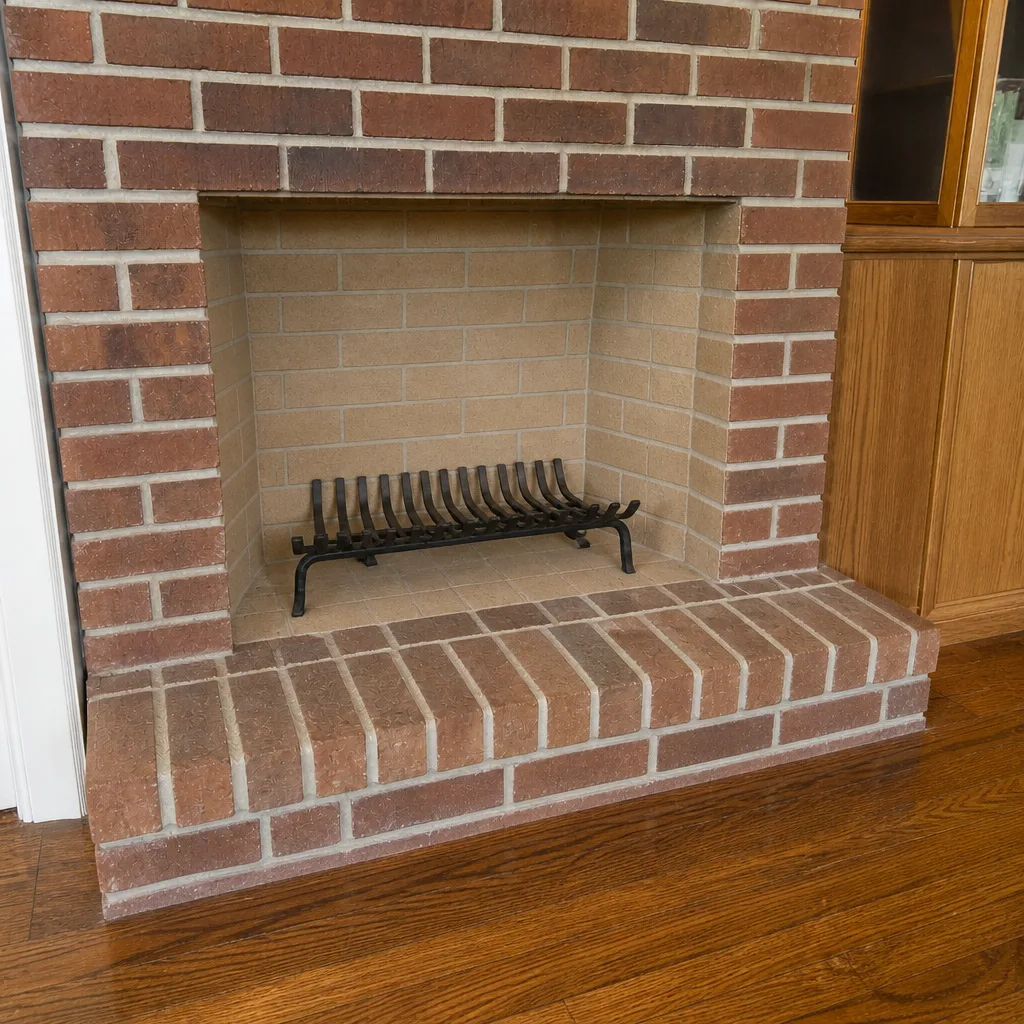
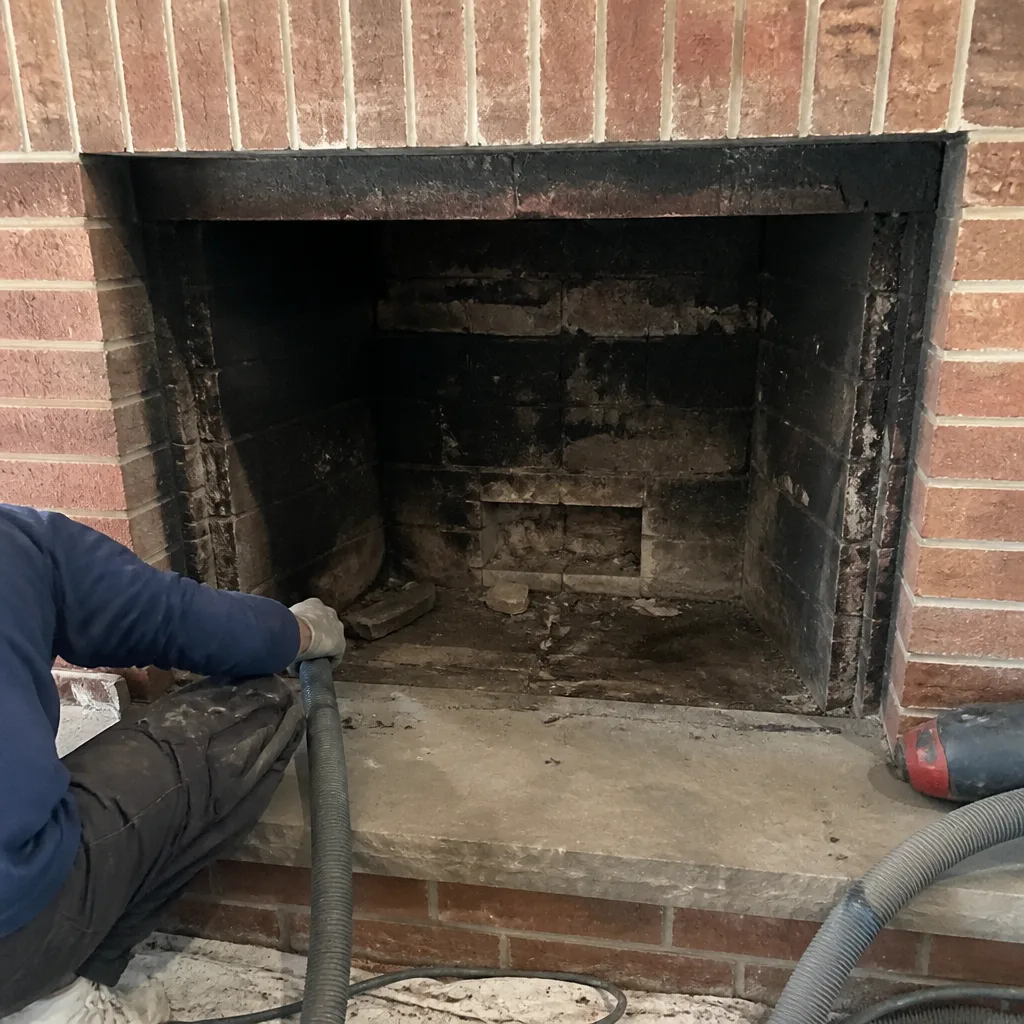
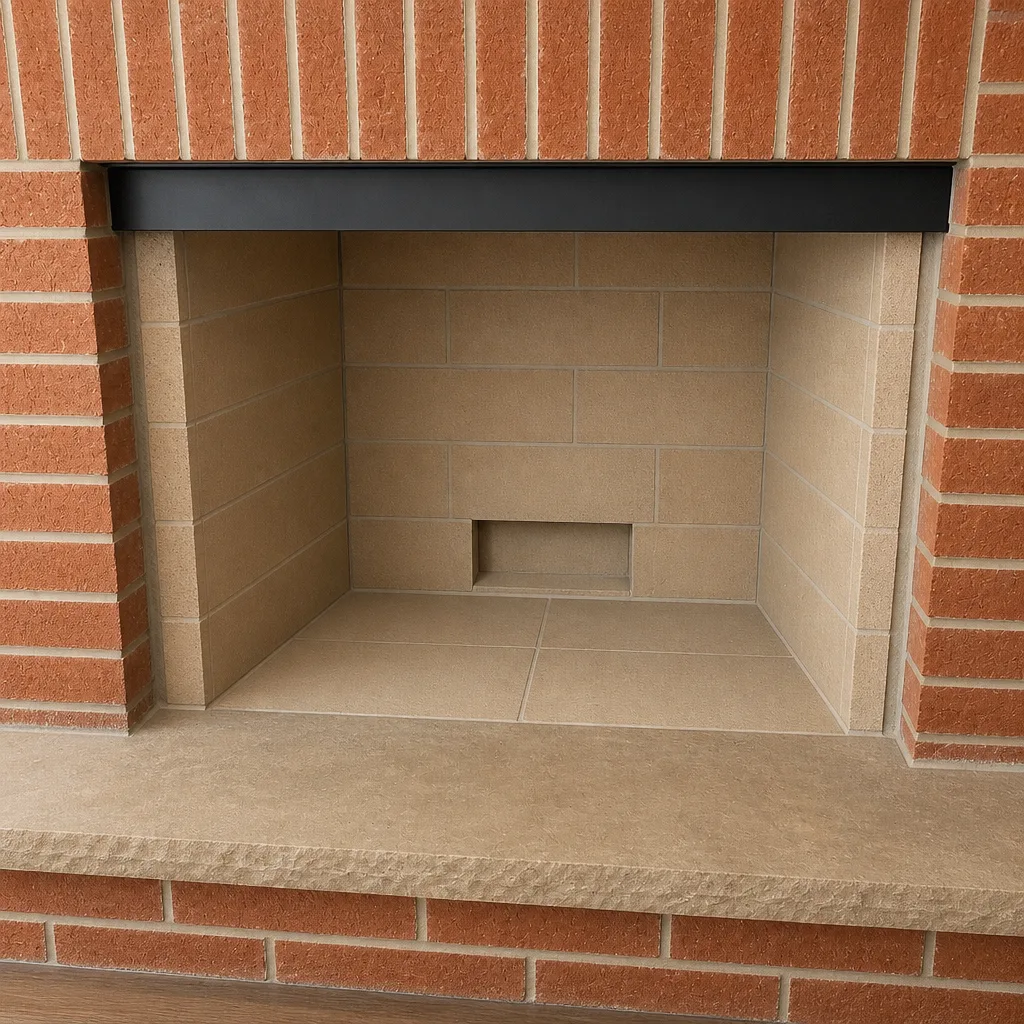
See the difference
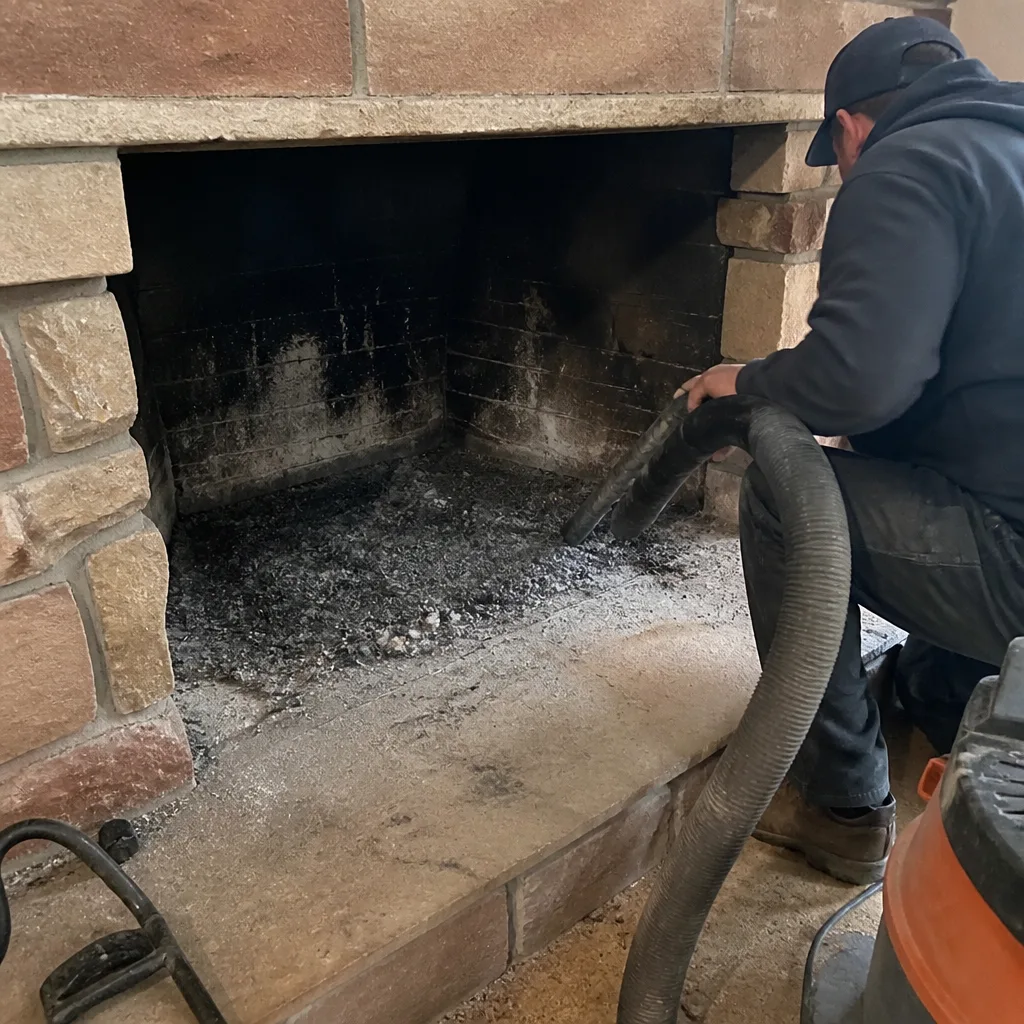 Before
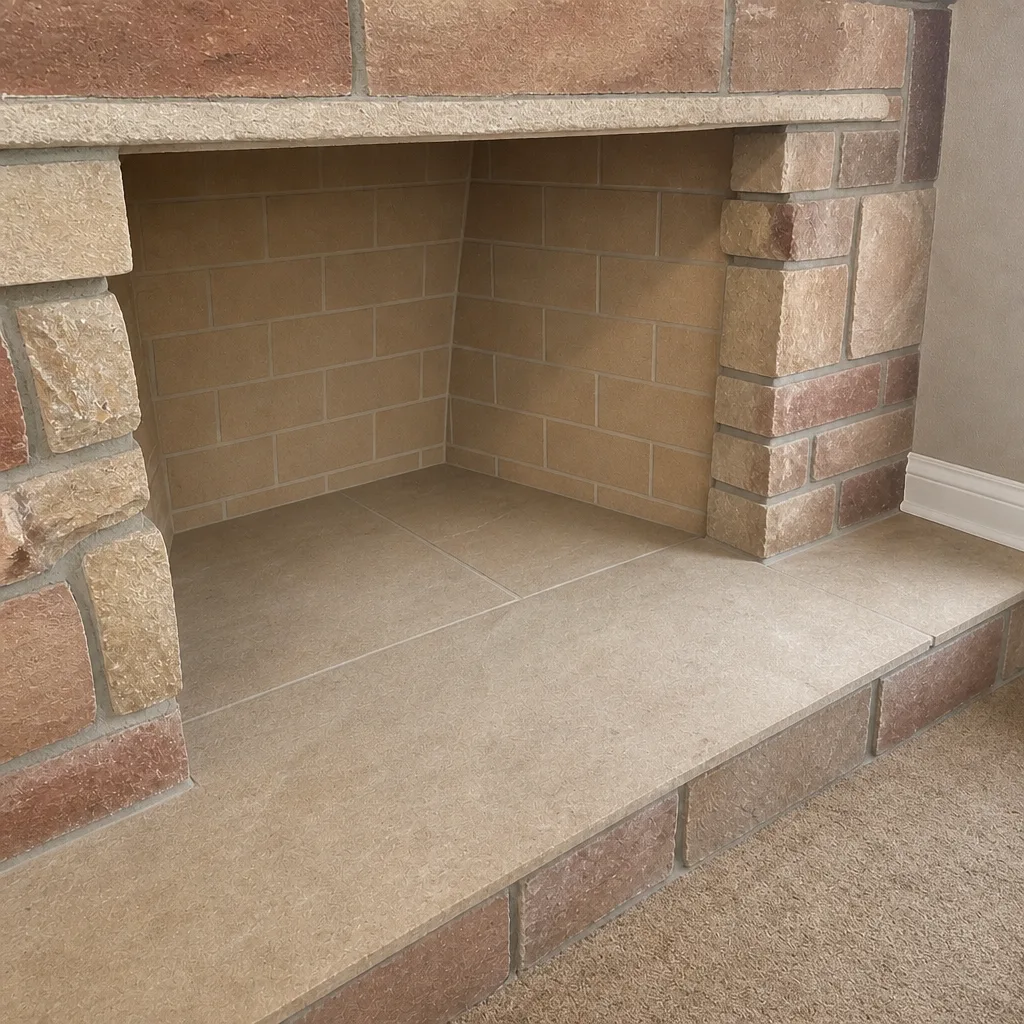 After
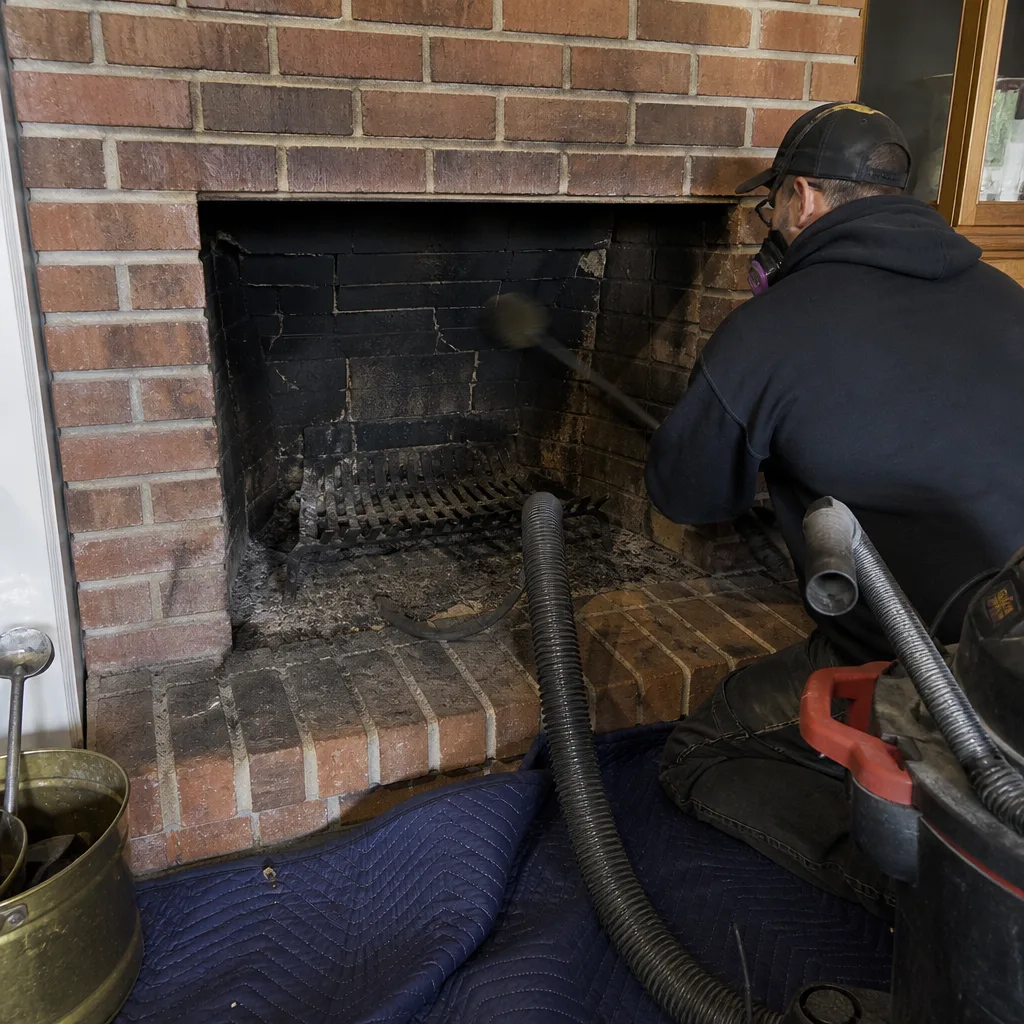 Before
 After
 Before
 After
When to Call a Professional
Call us when any of the following is true: smoke enters the room on every fire, not just cold starts; there’s a confirmed or suspected liner crack; there’s a carbon monoxide detector alarm in the house; you smell gas anywhere near the appliance; there’s an animal in the flue; the crown has visible cracks or the cap is missing; or you’re converting to an insert and need the venting brought to code. Those are not wait-and-see problems. For everything else, a routine inspection is cheap and tells you exactly where you stand. Chimney Sweep Broomfield offers free estimates in Broomfield. Call (833) 513-8675. Our technicians have up to 8 years of experience. We answer 24/7. Fast dispatch from 7am to 7pm, Sunday through Friday. Same-day service is available for jobs we can reach that day.
Frequently Asked Questions
Smoke in the room almost always traces to one of four causes: backdraft from a cold flue, negative pressure in the house, a physical blockage in the flue, or an undersized flue for the appliance. Broomfield’s elevation of roughly 5,344 feet reduces available draft, which makes all four more visible than they’d be at lower elevation. A quick test with a cracked window tells you whether house pressure is part of the problem; a camera inspection confirms the rest. Call (833) 513-8675 for an exact quote. Estimates are free.
A routine chimney sweep for a standard flue is a straightforward job, and the price is set per job by the written estimate after we see the chimney. The range varies with the appliance type, the amount of creosote, and whether any repair work is included. We don’t quote without looking, and we don’t recommend work the flue doesn’t need. A free estimate is the honest starting point. Call (833) 513-8675 for an exact quote. Estimates are free.
Not always. A liner that’s structurally sound with surface creosote only needs sweeping, and a liner with cracks or joint gaps can often be resurfaced with HeatShield ceramic flue resurfacing or repaired with Gelco products. A full reline with a DuraFlex flexible liner system is the right answer when the liner is structurally failed or when an insert requires a correctly sized, code-compliant flue. The decision gets made on camera evidence, not opinion. Call (833) 513-8675 for an exact quote. Estimates are free.
Under normal wood-burning use, a yearly sweep before the heating season is the working baseline, and heavier use or a longer burning season means more frequent attention. In Broomfield, the long cool season with a fall cold snap arriving before many homeowners have booked means scheduling matters. Gas appliances need inspection attention on a similar cycle even though they produce no creosote. Call (833) 513-8675 for an exact quote. Estimates are free.
Creosote accumulates. At first it’s light and easy to sweep, then it glazes, and glazed creosote is flammable and carries a real chimney fire risk. Separately, a small liner crack or a failing cap gets worse with each freeze-thaw cycle, and Broomfield’s weather swings between thawing afternoons and hard freezes. The realistic outcome is a more expensive repair later, plus a carbon monoxide pathway you couldn’t have seen. Call (833) 513-8675 for an exact quote. Estimates are free.
Brief backdraft on a cold start is normal. A flue that’s been sitting cold is heavier inside than the room air, so it reverses direction until it heats up, usually a few minutes. What’s not normal is backdraft on every fire, backdraft that lasts more than a few minutes, or smoke that keeps coming after the fire is fully lit. Those point to pressure, blockage, or liner problems. We answer 24/7. A call outside dispatch hours is booked into the next opening, Sunday through Friday, 7am to 7pm. Call (833) 513-8675. We answer 24/7. Fast dispatch from 7am to 7pm, Sunday through Friday.
The Bottom Line
The point of this guide is that chimney problems aren’t random. Smoke in the room, a bad smell, a weak fire: each one points to a specific mechanical cause you can name before anyone visits the house. Broomfield’s elevation makes draft problems more visible than they’d be elsewhere, so a marginal flue here behaves like a failing one. The safe route is a camera inspection first, a written estimate second, and repair from the same team if repair is actually needed. Cap, crown, liner, firebox: we service the whole system, not just the visible part. That’s how a problem gets fixed in one visit instead of three.
Ready to stop guessing? Call Chimney Sweep Broomfield at (833) 513-8675 for a free estimate. We answer 24/7. Fast dispatch from 7am to 7pm, Sunday through Friday. We inspect it, we repair it, same team, same standard. Professional-grade materials installed by trained hands: HeatShield, Gelco, Olympia Chimney, Famco, DuraFlex, and Copperfield. Our technicians have up to 8 years of experience. Estimates are free and there’s no pressure to commit before you see the camera evidence for yourself.
Written by the team at Chimney Sweep Broomfield.