
Last updated November 25, 2026
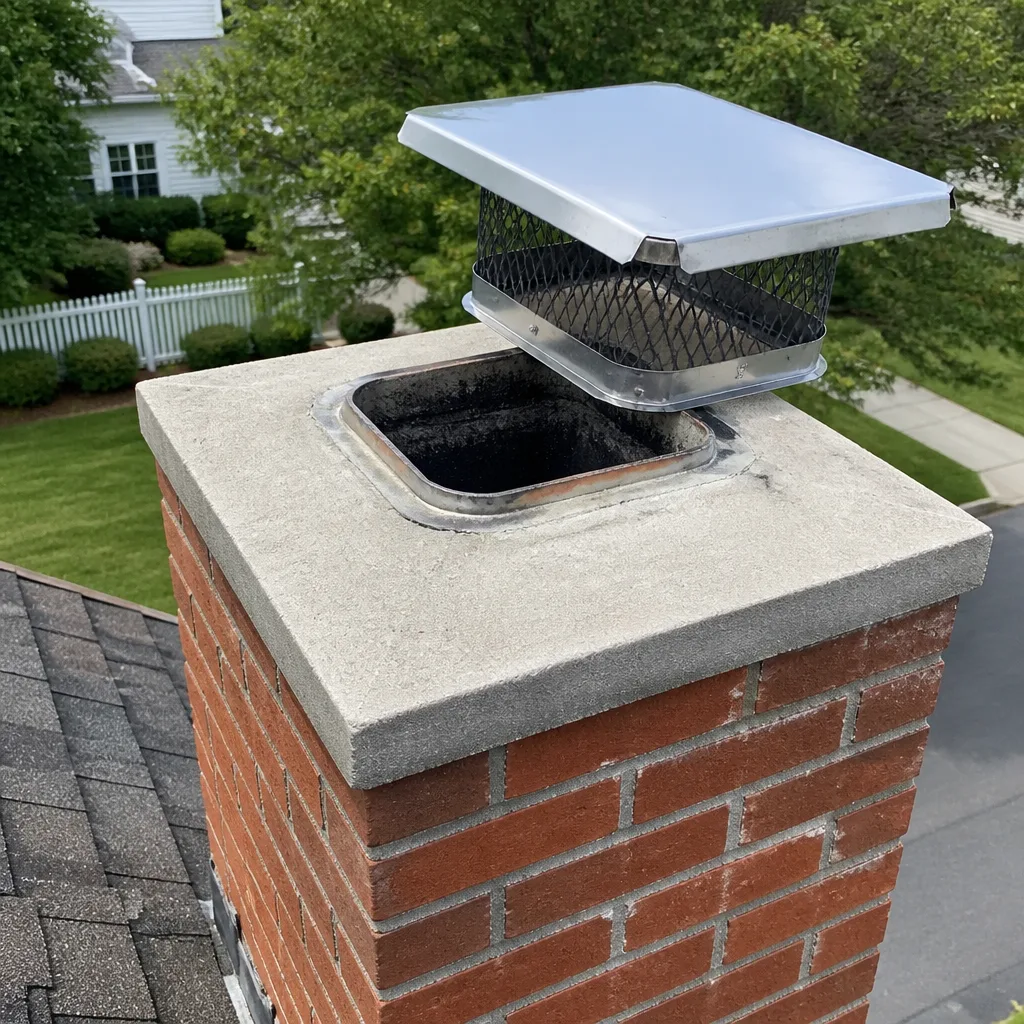 Sweep & inspection
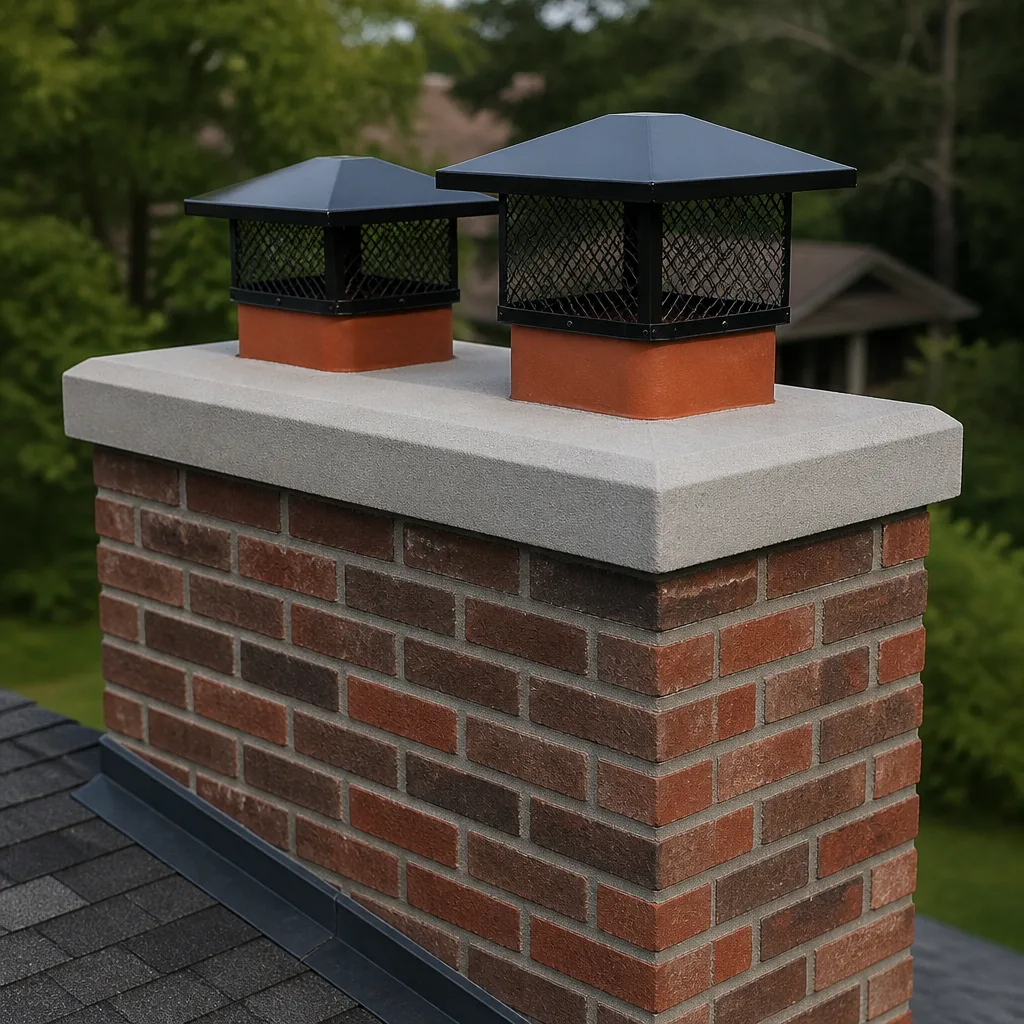 Caps & crowns
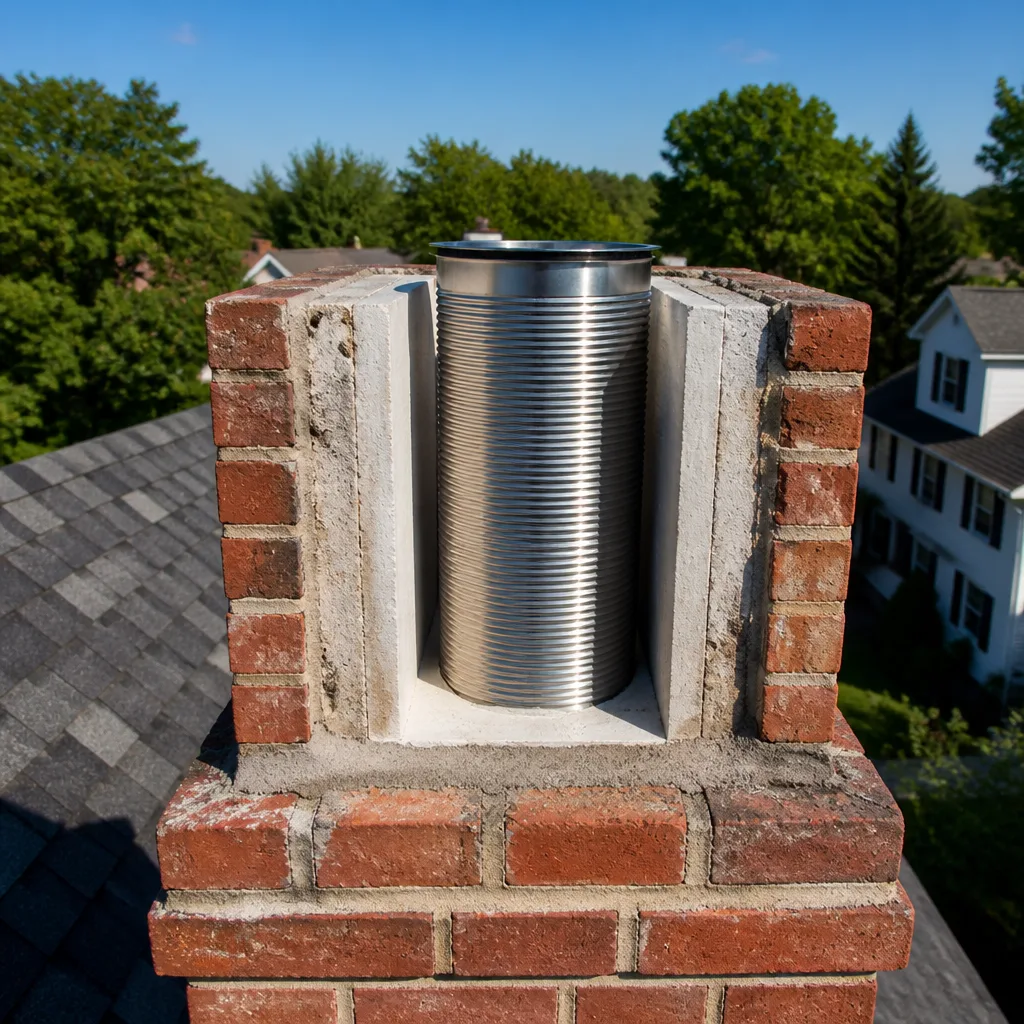 Flue relining
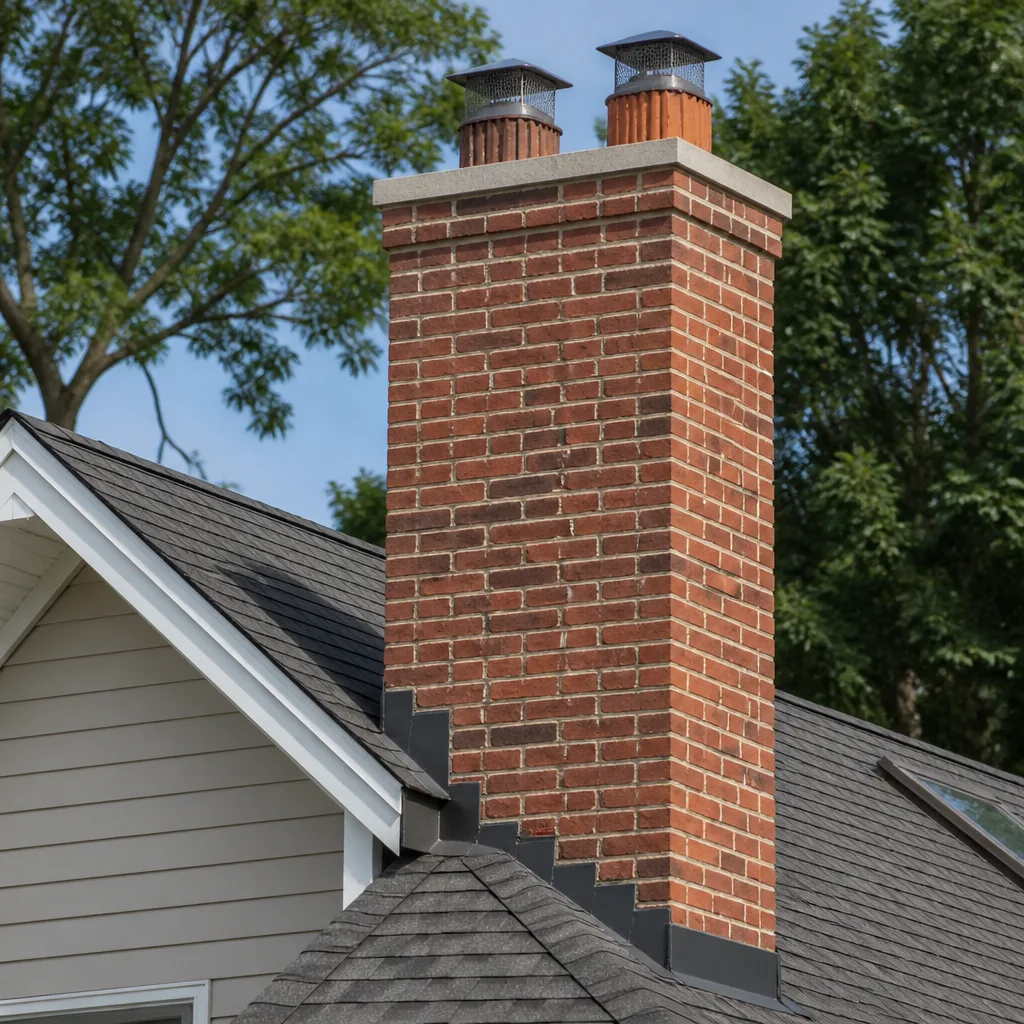 Masonry repair
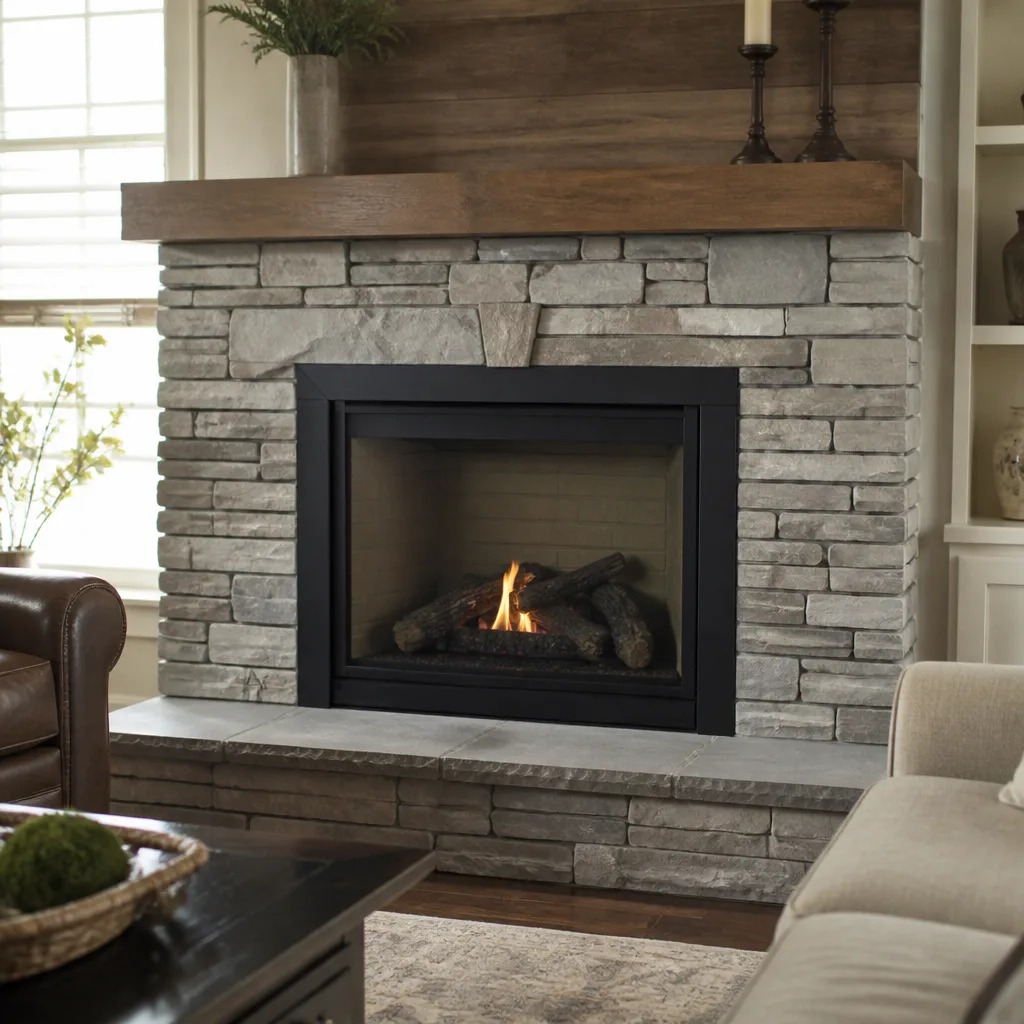 Gas fireplace service
Level 1 sweep and inspection to the NFPA 211 annual standard - flue, crown, cap, and flashing checked and photographed
Chimney sweep logs do not sweep chimneys. They loosen some creosote - which then falls where a brush and vacuum still have to collect it.
Chimney Sweep Maintenance Checklist for Broomfield Homeowners
Most chimney maintenance lists tell you to “watch for creosote” and “check for damage,” which is a bit like being told to watch for weather. It doesn’t help much when you’re standing in front of a firebox with a flashlight. Here’s the counterintuitive part: the problems that lead to expensive chimney repairs almost never appear suddenly. They’re visible for months, in specific places, if you know exactly where to look and what a normal version of each part looks like. This guide gives you the checkpoints you can actually use between professional visits, plus the seasonal rhythm that makes sense in Broomfield, where foothills snowmelt, wind, and dry winters all leave their mark on a chimney.
Quick Answer
A chimney maintenance checklist for Broomfield homeowners should cover four things: an annual professional chimney sweep and inspection, a room-by-room self-check you can do with a flashlight (firebox, damper, smoke shelf, exterior crown), a simple burn log so your technician knows your actual usage, and a seasonal routine timed to Colorado weather – post-snowmelt cap inspection in spring, pre-season damper test before October. The goal isn’t to replace the professional visit. It’s to arrive at that visit with information that shortens diagnosis and catches small problems before they become structural ones.
Styles & brands we work with
- Sweep & inspection
- Caps & crowns
- Flue relining
- Masonry repair
- Gas fireplace service
Table of Contents
- Why a Checklist Beats a Reminder
- The Four-Point Self-Check: Firebox, Damper, Smoke Shelf, Crown
- How to Read Creosote Buildup by Flashlight
- The Burn Log: Track Usage, Sharpen Diagnosis
- The Colorado Seasonal Calendar for Chimney Care
- What to Photograph Before You Call
- What a Professional Visit Should Include
- Common Mistakes to Avoid
Why a Checklist Beats a Reminder
A reminder tells you to call someone. A checklist tells you what to say when you do. That distinction sounds small, but it changes the whole service visit. When a technician arrives with a clear description – where the staining is, what the damper feels like when you move it, how many cords of wood you burned – the inspection starts further along. Diagnosis gets faster and more accurate, and there’s less chance of chasing a problem that isn’t there.
We’ve also seen the reverse. Homeowners who wait until something smells wrong or smokes into the room tend to discover problems later, when a small crack has had a full season to widen. The self-checks below don’t require tools, training, or climbing anywhere. They require a flashlight, ten minutes, and the willingness to actually look instead of assuming.
Fireplaces and chimney systems deserve this attention because they’re the one household system that combines fire, combustion byproducts, and structural enclosure in a place you rarely see. A furnace has a service tag. A water heater has an anode rod you’re supposed to check. The chimney, oddly, gets the least attention of the three – and it’s the one running at the highest temperature.
What a Good Checklist Does and Doesn’t Do
- Does: catch visible changes early, so you can schedule service on your terms.
- Does: give your technician concrete, useful observations.
- Does: separate “this needs a look” from “this can reasonably wait.”
- Doesn’t: replace a professional inspection – the interior of the flue and the chimney structure can’t be judged from the firebox.
- Doesn’t: tell you to open panels, remove components, or get on the roof. That’s not a homeowner job.
The Four-Point Self-Check: Firebox, Damper, Smoke Shelf, Crown
These four checkpoints cover the most common places small issues start. You can do all four from inside the house with a flashlight, except the crown, which you can see from the ground with a pair of binoculars on a clear day. None of them requires you to touch anything hot, move anything heavy, or climb.
1. The Firebox
With the fireplace cool and empty, look at the firebrick. You’re looking for two things: dark staining that doesn’t wipe away, and hairline cracks between the bricks. Light gray soot is normal. Deep black streaks that stay after you brush them can point to smoke escaping where it shouldn’t. Mortar joints should look solid and continuous. On a masonry firebox, a hairline crack in the brick face is one thing; a crack that runs through the brick or a joint that’s crumbling is worth a professional look before your next fire. On a prefab firebox, the steel panels and the firebrick lining are both visible; any warping, rust-through, or displaced brick is a stop-and-call situation. Never run a fire in a firebox with a damaged liner.
2. The Damper Handle
Open and close the damper a few times and pay attention. It should move through its full range with steady resistance. Grinding, a hard stop partway, or a handle that spins without moving the plate all point to damper trouble. Do this before October, when a stiff damper is easy to fix and a stuck one means no fires until it’s addressed. The damper is also a good indicator of how much moisture has been getting into the chimney – a damper that rusts shut over a summer often means the cap or crown is letting water in.
3. The Smoke Shelf
The smoke shelf is the ledge just behind the damper, and it’s where debris, soot, and sometimes animal nesting material collect. Shine your flashlight up and back into the smoke chamber. A modest dusting of soot is normal. Piles of debris, leaves, twigs, or a nest are not – and if you see nesting material, don’t light a fire until it’s been cleared, since that material can smolder and smoke. This is one of the most overlooked checkpoints we look at during a visit, because it’s out of the direct line of sight from the room.
4. The Exterior Crown
From the ground, look at the top of the chimney. The crown is the concrete or masonry slab that caps the top, sloped to shed water. You’re looking for visible cracks, a crown that’s separated from the flue tile, or missing chunks. Water is the most common cause of chimney deterioration, and the crown and cap are where most of it gets in. If the crown is cracked, you don’t need to rush to a conclusion – but you do need it on the list for your next professional visit. This is exactly the kind of work our cap and crown service is built around, because a sound crown extends the life of everything below it.
How to Read Creosote Buildup by Flashlight
Creosote is not one thing. What forms in a flue ranges from a light, flaky deposit to a hard, tar-like glaze, and how you describe it to a technician matters. You can make a useful judgment with a flashlight aimed up the flue from the firebox, though you’re seeing only the lowest reach of it. Here’s the practical scale:
Stage 1: Flaky, Soot-Like, Wipes Off
This is the routine deposit, thin and dry, and it’s what a normal sweep cycle deals with. Seeing it doesn’t mean anything is wrong. It means the flue has been used. Keep it in perspective: every wood fire produces some.
Stage 2: Crusty and Flaked, Puffs of Brown or Black
This is a thicker deposit that has started to form hard flakes. It often comes loose in small falls. If you can see this, your flue is overdue for a sweep, and you shouldn’t run another fire until it’s cleaned. The urgency here is real – thick, dry, flaky creosote is the kind that catches fire.
Stage 3: Shiny, Glossy, or Tar-Like Glaze
Glazed creosote looks almost wet, a slick black or dark brown coating that doesn’t brush off. A standard sweep’s brushes aren’t enough for this; it takes a different approach to remove, and it’s the most serious form. If your flashlight shows a heavy, glossy coat, treat it as a priority call. We handle this kind of buildup with professional-grade tooling and treatments, but the important point is that it can’t be ignored or “burned out.” Burning hot fires against glazed creosote does not solve it and can make it worse.
What You’re Not Doing
You’re not trying to reach up the flue with a brush or scraping at deposits, and you’re not on the roof with a ladder. Chimney flues are confined, and a heavy deposit high in the flue is not something to disturb from below. The flashlight check is a report, not a repair. Take a photo – the “how to photograph” section below covers what to capture.
The Burn Log: Track Usage, Sharpen Diagnosis
Here’s a habit that changes how your professional visits go: keep a one-line log for every fire you light. We know how it sounds – it’s a fireplace, not a flight log. But whenever a homeowner can tell us roughly how many fires they had in a season, what kind of wood they burned, and whether it was well-seasoned, the whole inspection gets sharper. You go from “probably needs a sweep” to “needs a sweep, and here’s why we know.” It’s the difference between guessing and knowing.
What to Record
- Date and wood type: “oak, seasoned” or “mixed, not sure.” The not-sure entries are useful too.
- Rough volume: how many logs, or which size of load.
- Dampness cues: did it hiss, smoke, or take a while to catch? Wet or green wood produces more creosote and more smoke.
- Anything unusual: a bit of smoke rolling into the room, a lazy draft, a smell the next morning.
Why It Helps
Two households with the same fireplace can have completely different flue conditions, because what goes in determines what deposits. A log tells your technician which category you’re in. It also protects you from being told you need work you don’t need – if your usage says light, the recommendation should match. That’s part of our standard: we’d rather show you the actual condition than sell you a worry.
The log is also a legacy document. If you sell the house, a handwritten record of chimney use is exactly the kind of thing a buyer’s inspector likes to see. It’s a five-minute habit that pays back at resale, inspection, and insurance time.
The Colorado Seasonal Calendar for Chimney Care
Broomfield sits where Front Range weather doesn’t ease into a season, it shifts. Winters bring hard freezes and dry, windy days. The melt in spring moves a lot of water off roofs and into gutters, and that same water finds its way toward any chimney with a compromised crown or cap. The summer sun bakes the crown; the winds carry grit. All of that means the chimney gets tested in cycles, not evenly. Here’s the calendar that fits:
Spring: Post-Snowmelt Cap and Crown Check
After the snow is off the roof and the last of the melt has run, put the binoculars on the chimney top. Look at the cap and the crown. This is when water damage is most visible – cracks in the crown, a cap that’s tilted or displaced, staining on the chimney’s exterior. If the cap is missing or damaged, that’s the season to address it. A sound cap keeps rain, snow, and the occasional determined bird out of the flue all year. This is the single highest-value preventive item on the whole list, and it’s the one most homeowners skip.
Spring: Interior Walk-Through
Do the four-point self-check once the fires are done for the season. This is the best time to catch interior issues because everything is cool and dry, and the season’s accumulation is all still present – nothing has been cleaned away yet. If the damper is stiff from summer’s coming humidity, note it. If you see staging around the smoke shelf, note it.
Late Summer: Book Your Pre-Season Visit
Schedule the professional sweep and inspection before October if you can. The thinking is simple: a chimney inspected and cleaned before the first cold snap is a chimney you can light with confidence. Late summer is also when a small repair can be completed without pressure. Waiting until the first cold night to call usually means dealing with an issue you could have handled calmly weeks earlier.
Fall: Pre-Season Damper Test
Before October, open and close the damper several times. It’s the cheapest test in this guide and it catches the most preventable problem. A damper that doesn’t seal, or one that won’t open fully, will make the first fire of the season a smoky one. If you find trouble, you have time to address it before you need the fireplace.
Winter: Maintain the Burn Log and Watch the Odd Signs
Through the burn season, keep the log. If you notice smoke rolling into the room, a smell that lingers in the morning, or a fire that struggles to draw, that’s a note for your next call, not a cause for alarm. Most winter chimney issues are the kind that wait for a service visit – the ones that don’t wait are visible and obvious, like cracking or an alarming glow at the top of the flue, which should mean stop, extinguish, and call.
What to Photograph Before You Call
A few good photos make a service call more efficient and, in a real sense, less expensive, because you’re replacing a diagnostics visit with information. Here’s what to capture with your phone before you pick it up to call – no climbing, no close-in work.
- The firebox interior: with the fire out and the firebox empty, take one straight-on photo and one angled toward the back. Include the full width.
- The damper, open and closed: one photo of the plate in the open position and one closed. If the handle is loose or jammed, a short video of it moving (or not moving) is even more useful.
- Up into the smoke chamber: aim the flashlight up and take a photo of the smoke shelf and chamber ceiling. Get the flashlight beam into the frame if you can; it reveals texture.
- The chimney top from outside: use zoom or binoculars from the ground. Get the crown and cap clearly. One shot from directly in front, one from an angle.
- Any staining or cracks: on the firebox, the hearth, the wall near the chimney, or the chimney’s exterior. Include something for scale, like a coin or ruler, if you can.
- The burn log: a photo of your log page is enough. It lets the technician see the season’s usage at a glance.
What not to do: don’t open panels, don’t move anything heavy, don’t get on the roof, and don’t try to inspect the interior of the flue beyond what a flashlight from the firebox shows. The photos are meant to describe, not to diagnose. We’ll do the diagnosing.
What a Professional Visit Should Include
A good professional visit is more than a sweep. It’s a clean-and-inspect sequence with a report you can understand. Here’s what it should look like, so you know what to expect and what to ask about. If a technician hands you a written recommendation without showing you what’s behind it, ask. A clean chimney is the starting point – a safe chimney is the goal, and you should be able to see the evidence.
The Sweep Itself
Proper sweeping removes soot and creosote from the flue, the smoke chamber, and the firebox, and it uses drop cloths or a containment setup so your living room doesn’t become part of the job. A professional-grade brand roster matters here: we work with DuraFlex, HeatShield, Gelco, Olympia Chimney, Famco, and Copperfield, and that’s the standard we expect when materials or repairs come into play. Big-box substitutes aren’t part of the picture. Professional-grade materials installed by trained hands is the standard.
The Inspection
A chimney inspection is a distinct service, not just a sales hook for repairs. Ask what level of inspection is being done and what it covers. The interior of the flue, the firebox, the damper, the smoke chamber, the crown, the cap, and the exterior – all of it gets looked at. If the flue has a liner, its condition gets evaluated too. You should get a plain-language summary: what’s fine, what needs attention now, and what can safely wait. We’d rather show you the actual condition than sell you a worry.
Repair and Restoration
When the inspection finds something, the real advantage of a full-service specialist shows up: the same team can address it. Cracked crown and cap? That’s cap and crown work. Deteriorating flue? That’s where HeatShield ceramic flue resurfacing comes in – it can restore a flue liner’s integrity without a full replacement, which is a technique most sweep-only outfits simply don’t offer. Liner upgrades go through DuraFlex; fireplace components run on Copperfield and Famco. The point isn’t to list brands. The point is that the findings from an inspection can actually be resolved, not referred out and left half-addressed.
The Report
Ask for whatever form makes sense to you: a written note, a photo set, or both. Photos of the problem areas are worth more than a paragraph. You should be able to see what the technician saw, because that’s what lets you decide with confidence whether to fix now or leave it for the season.
Common Mistakes to Avoid
- Skipping the sweep season when the fireplace “seems fine.” A chimney that drafts well can still be carrying a year’s worth of deposit. Annual cleaning and inspection is about the flue you can’t see, not the fire you can.
- Burning unseasoned wood to save on fuel. Green or wet wood produces more creosote and more smoke. It’s the most common cause of a flue that’s overdue by midwinter.
- Ignoring the crown. It’s the roof of the chimney, and it’s where water gets in. A visit to the top of the roof for a crack you could see from the ground is a fix that was preventable.
- Opening a damper without a test. A damper that won’t open fully is a smoke problem in the making. Test it before October, not on the first cold night.
- Treating a shiny, glazed flue as “just a bit of soot.” Glazed creosote is the serious stage. It doesn’t brush off, and it’s not a burn-it-out problem.
- Calling only when something is visibly wrong. Maintenance is cheaper than repair, and it’s less stressful. A planned visit beats a late one every time.
- Assuming the red-brown staining on the chimney exterior is cosmetic. It often means water is finding a way in at the crown or cap. Ask about it at the next visit.
When to Call a Professional
You should call a professional chimney service in Broomfield when any of these come up: your last sweep or inspection is more than a year old and you’ve been using the fireplace regularly; you see shiny, dark, or tar-like deposits on the flue walls; the damper won’t open or close fully; the firebox has a crack through a brick or a crumbling mortar joint; there’s staining on the chimney exterior or the wall near the hearth; the crown is visibly cracked or separated; smoke rolls into the room during a fire; or you smell a persistent smoky odor the morning after. Any of these is worth a call. When in doubt, call and describe what you saw – we’ll tell you plainly whether it can wait.
Chimney Sweep Broomfield offers free estimates in Broomfield. If you’ve done the checks above and something doesn’t look right, we’ll look with you, show you what we find, and tell you honestly what needs to happen now and what can wait. Call (833) 513-8675. We answer 24/7. Fast dispatch from 7am to 7pm, Sunday through Friday.
See the difference
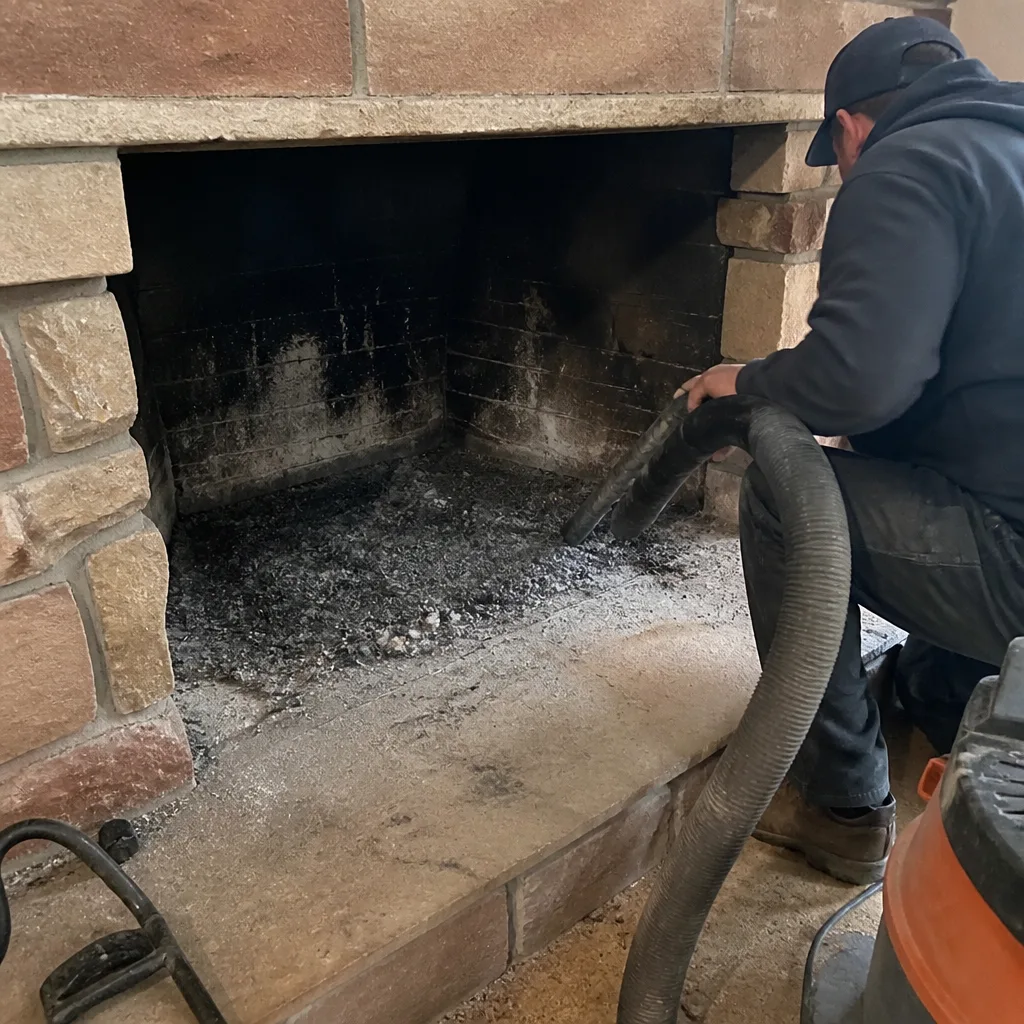 Before
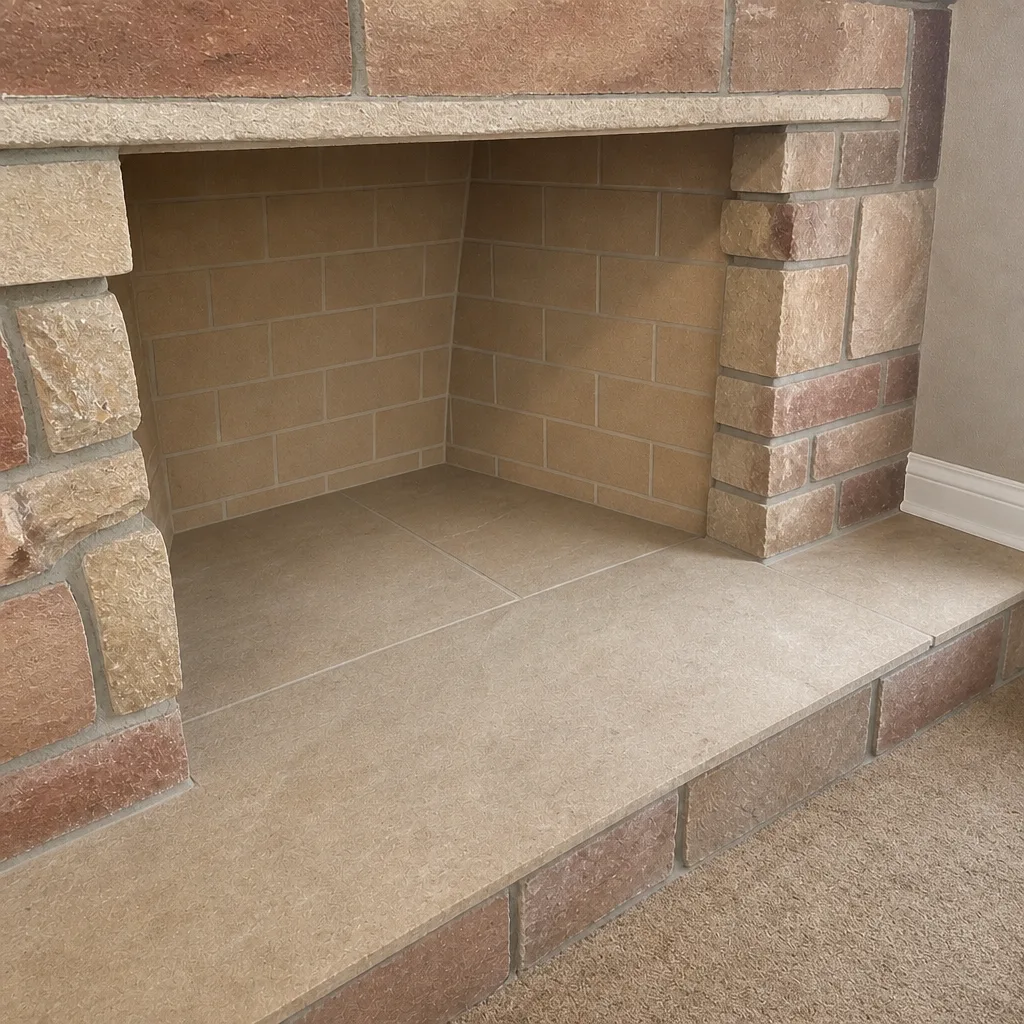 After
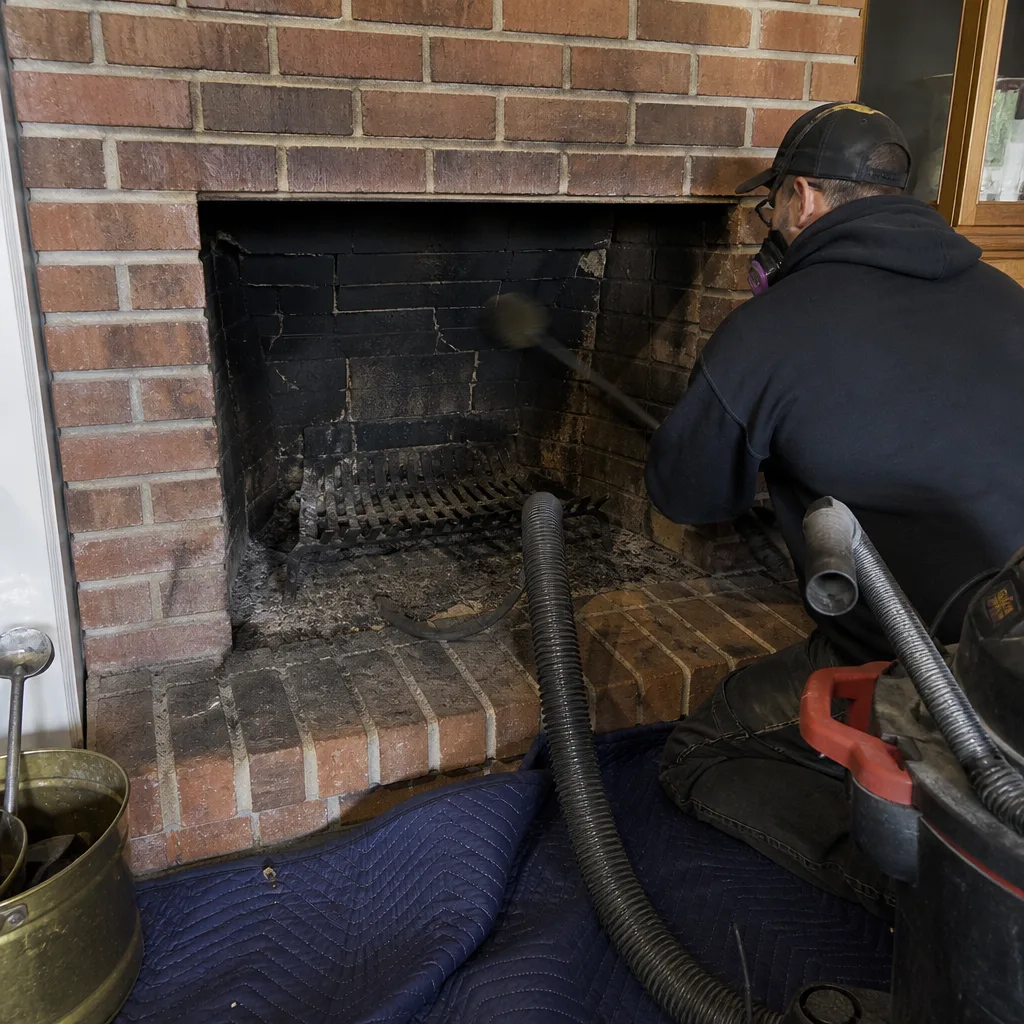 Before
 After
 Before
 After
Frequently Asked Questions
Once a year for a regularly used wood-burning fireplace is the reliable starting point, and that’s a good rule whether you’re in Broomfield or anywhere on the Front Range. A gas fireplace with a vented system should still get an annual inspection, even if it doesn’t need a full sweep. The variables would change the cadence: how much you burn, what kind of wood, and how the flue is venting. A burn log helps your technician tell you if your house can safely stretch to two years, or should stay on annual. Call (833) 513-8675 for an exact assessment – estimates are free.
A standard chimney sweep is priced per job by a written estimate, and that estimate sets the final price, so we won’t quote a number here that could be wrong for your chimney. The estimate is free, and it’s set per job based on your actual flue condition – not a flat call-out rate that pads the price. That’s one of the reasons a self-check before you call matters: the better the description you give, the more accurate the estimate. Call (833) 513-8675 for a free estimate.
Not safely, and not thoroughly. Routine sweeping requires reaching the full length of the flue, managing the soot and creosote that comes down, and judging deposits that only a trained eye can read. A homeowner with a flashlight can see the very bottom of the flue, and that’s genuinely useful as an early-warning check, but it’s not cleaning, and it’s not an inspection. The self-checks in this guide are for what you can see and document – the sweep and inspection are for what you can’t.
A professional inspection looks at the entire chimney system, not just the flue. That means the firebox, the damper and its full range of movement, the smoke chamber and shelf, the flue interior and any liner, the crown and cap, and the chimney’s exterior. You should get a plain-language summary of what’s fine, what needs attention now, and what can safely wait. A good inspector shows you what they found rather than only telling you – photos of the actual condition are standard. For anything found, we can usually resolve it on the same visit through our repair services. Call (833) 513-8675 to schedule.
You may not need a new liner. A deteriorating flue doesn’t always mean replacement – sometimes HeatShield ceramic flue resurfacing can restore the liner’s integrity without the full replacement, and that’s a technique most sweep-only services don’t have. The only honest way to know which path is right is a proper inspection, and you should be able to see the evidence for yourself in photos. If it can wait, we’ll say so. Liner work with DuraFlex is available when an upgrade is genuinely needed for code compliance or safety. Call (833) 513-8675 for that conversation.
Smoke rolling into the room means the chimney isn’t pulling right, and you should stop using the fireplace until it’s been checked. The most common causes are a damper that isn’t open fully, a flue that’s become blocked or heavily coated, or a change in venting pressure. It’s not always a structural problem – sometimes it’s an easy fix – but you can’t tell which from the room. Take a photo of the smoke chamber and the damper before you call, and we’ll sort it out. Call (833) 513-8675. We answer 24/7. Fast dispatch from 7am to 7pm, Sunday through Friday.
What Homeowners Ask Us After the Checklist
What actually happens if I skip it?
Nothing dramatic, usually – and that’s the problem. The consequences of skipped maintenance are cumulative. Creosote builds through a season and starts to flake, then glazes. Water finds a cracked crown, and the freeze-thaw cycle widens it. A damper stiffens. By the time you notice something, you’re dealing with a repair rather than a cleaning, and the fix is bigger than it would have been a season earlier. The self-checks exist to catch that accumulation at the point where it’s still small.
Can I really judge creosote from a flashlight?
You can judge the bottom of the flue, and you can sort it into the three stages: flaky soot, flaky crust, and shiny glaze. That’s enough to know when to call and how urgently. You can’t see the full flue, and you shouldn’t try to – reaching up there with anything is how homeowners get hurt. Your job is the report; ours is the diagnosis.
Does a gas fireplace need the same checklist?
A gas fireplace needs a slightly different version. Creosote isn’t the issue, but venting, the burner, the logs, and the firebox lining all need inspection, and a blocked vent can create a carbon monoxide problem. We handle gas fireplace repair and inspection as one of our five service categories, alongside the wood-burning work, and a proper professional visit will cover the specifics of your appliance.
The Bottom Line
Chimney maintenance works best as a small set of habits rather than a once-a-year scramble. Four things to carry away: do the four-point self-check (firebox, damper, smoke shelf, crown) with a flashlight once a season; read your creosote by flashlight and know the difference between flaky soot and tar-like glaze; keep a burn log so your technician knows your actual usage; and time your professional visit to Colorado’s seasons, with the cap-and-crown look in spring and the damper test before October. The goal is simple: know what’s inside your flue before you light the next fire. If any of these checkpoints turns up something, call us – we inspect it, we repair it, same team, same standard.
Contact
If the checklist turned up something or you’d just like a professional set of eyes on your chimney, we’re here. Call (833) 513-8675 for a free estimate in Broomfield. We answer 24/7. Fast dispatch from 7am to 7pm, Sunday through Friday. For a full sweep and inspection to start the season right, you can start from our Chimney Sweep Broomfield page, and if it’s the firebox or the structure that needs attention, we also handle fireplace repair and chimney repair. We’ll show you what we find and tell you plainly what needs doing now and what can wait.
Written by the team at Chimney Sweep Broomfield.