
Last updated November 25, 2026
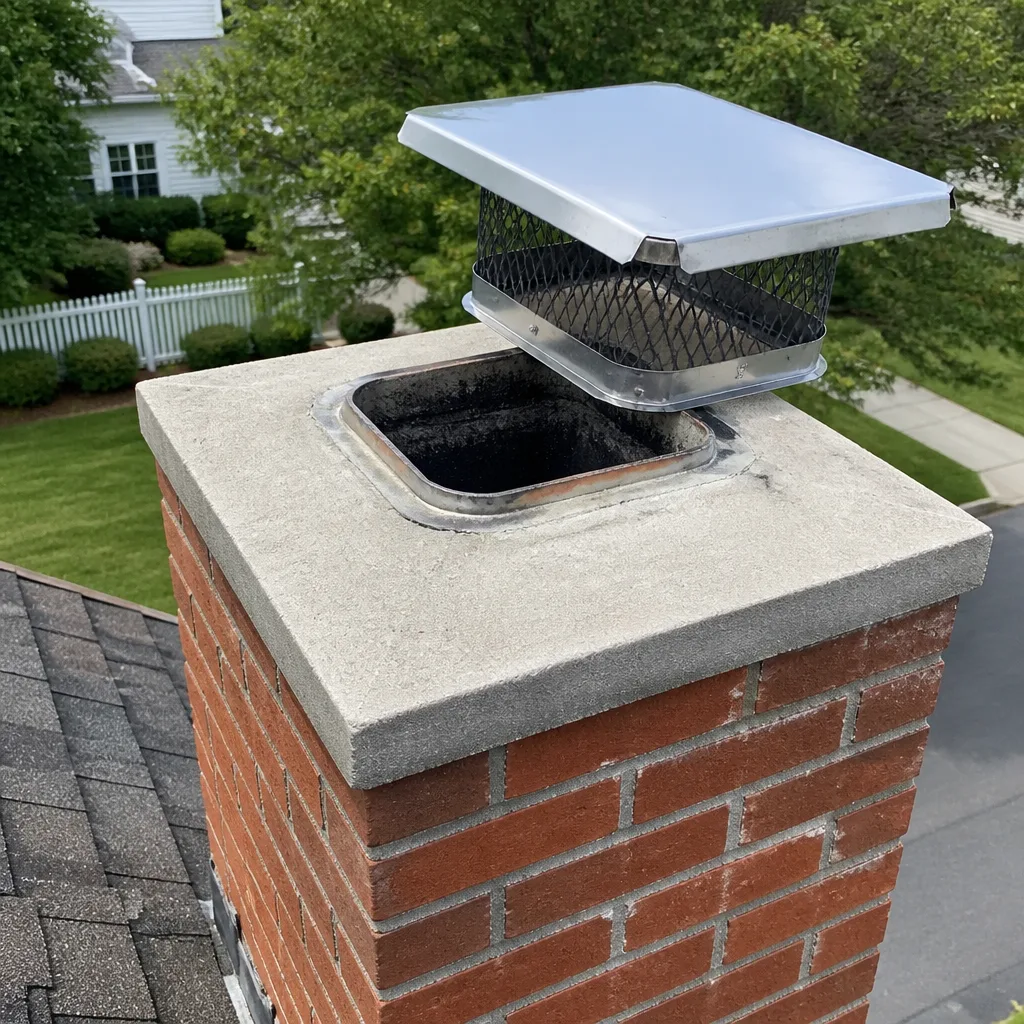 Sweep & inspection
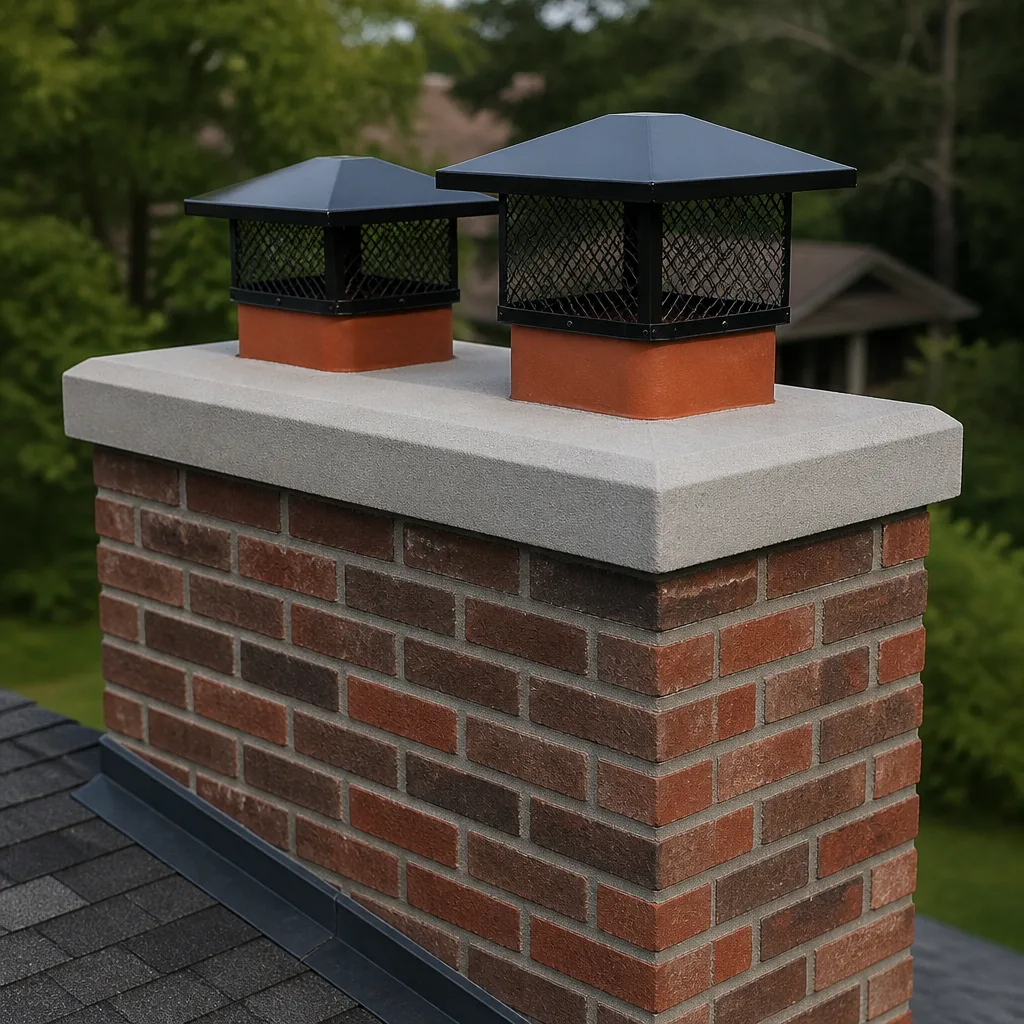 Caps & crowns
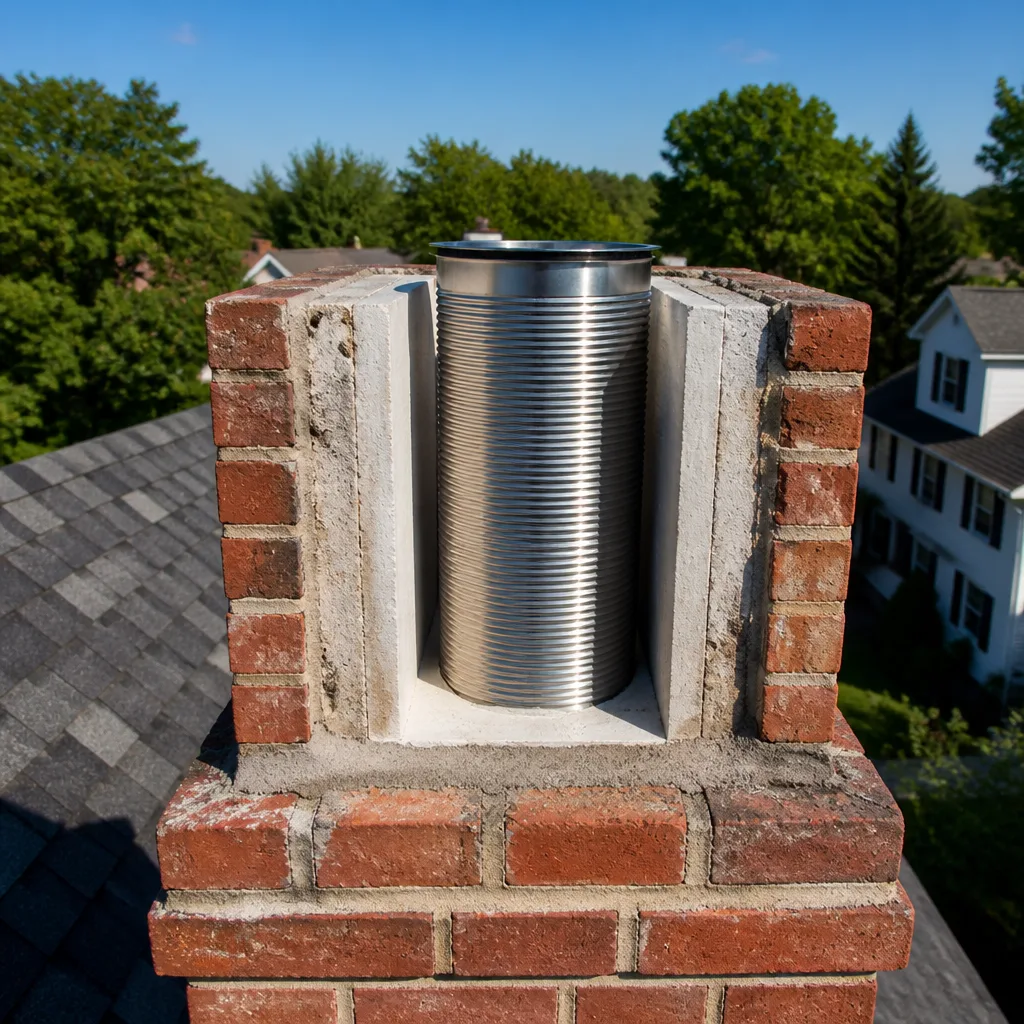 Flue relining
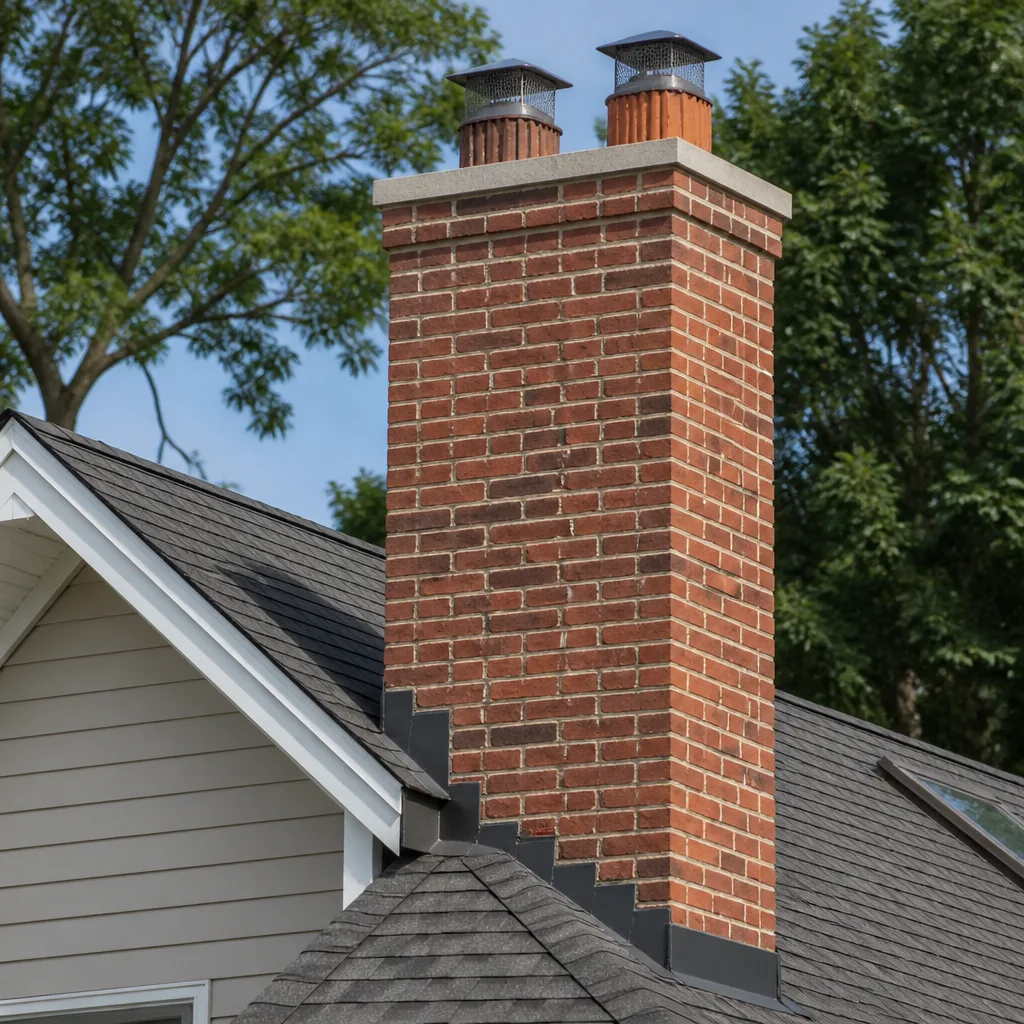 Masonry repair
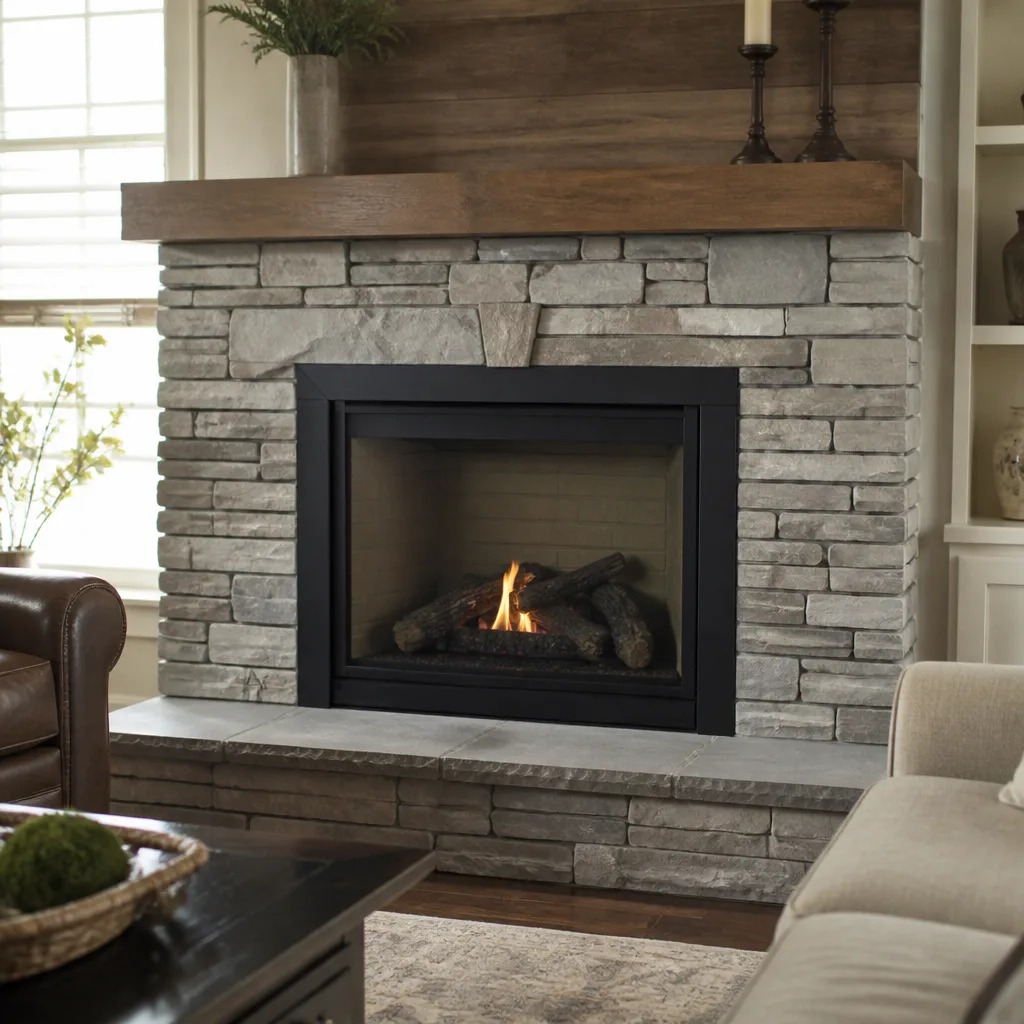 Gas fireplace service
Level 1 sweep and inspection to the NFPA 211 annual standard - flue, crown, cap, and flashing checked and photographed
Chimney sweep logs do not sweep chimneys. They loosen some creosote - which then falls where a brush and vacuum still have to collect it.
Chimney Cleaning Emergency Preparedness Guide for Broomfield Homes
During a chimney fire, the two things most homeowners do first are opening the damper wide and calling 911 – and those two instincts pull in opposite directions. Opening the damper feeds the fire more oxygen when the flue is already overloaded. Calling 911 is exactly right the moment flames or heavy smoke escape the chimney. The trouble is that nobody rehearses this. A chimney fire is a predictable event with an unpredictable start time, and the homes that come through it best are the ones that decided what to do long before the first crackle. This guide covers both chimney emergencies worth planning for: a fire in progress and a carbon monoxide problem traced to a blocked flue. Broomfield homes sit in a climate that makes both realistic every heating season, and we’ll walk through the protocol, the shutdown steps, what to document ahead of time, and what to do after the trucks leave.
Quick Answer
A chimney fire emergency calls for three things in order: get everyone out and call 911, close the fireplace doors and shut the damper to starve the fire of air only if you can do it without risk, then keep the chimney out of service until a professional performs a Level 2 inspection. If anyone shows carbon monoxide symptoms – headache, nausea, dizziness, confusion – leave the building immediately and treat it as a medical emergency, not a chimney nuisance. Nothing in the flue should be lit again until it’s been inspected.
Styles & brands we work with
- Sweep & inspection
- Caps & crowns
- Flue relining
- Masonry repair
- Gas fireplace service
Table of Contents
- Chimney Fire in Progress: The Step-by-Step Protocol
- Carbon Monoxide Symptoms: Flue Blockage vs. Appliance Fault
- How to Shut Down a Fireplace Safely Before Help Arrives
- What to Document Before an Emergency
- After a Chimney Fire: Why a Level 2 Inspection Isn’t Optional
- Why Broomfield’s Climate and Housing Raise the Risk
- Building Your Chimney Preparedness Plan
Chimney Fire in Progress: The Step-by-Step Protocol
A chimney fire is a contained fire in the flue that is trying to become an uncontained one. You may hear a low roar, a popping sound like a small engine, or see dense smoke and sparks at the top. Some fires are quiet and you’ll only find the damage later during an inspection. The protocol below assumes the fire is active and visible or audible.
- Move everyone outside first. Count heads at the door. Don’t stop to gather belongings, and don’t go back in for a pet until the fire department says it’s safe.
- Call 911 from outside. Tell the dispatcher it’s a chimney fire and give your address. Do not wait to see whether it “settles down” – a chimney fire can spread into the attic, roof structure or adjacent framing without any visible sign from the hearth.
- If you are still inside and it is safe to reach, close the glass doors and damper. Cutting off the air supply to the firebox starves the flue fire. This step is optional and secondary – your safety comes first, and you never stay inside a smoky room to do it.
- Don’t spray water up the flue from inside. A sudden steam expansion in a hot flue can crack clay tile liners and can drive fire into wall cavities.
- Get a garden hose or extinguisher ready outside for the roof and eaves. Only if the fire department hasn’t arrived and you can stand at ground level safely. Never climb onto a roof during a fire.
- Stay out until cleared. The fire department will tell you when the structure is safe to re-enter. Even after they leave, the chimney is not.
When the fire department arrives, they’ll typically check the attic, the roof and the surrounding framing with thermal imaging. They put out what they can reach. What they can’t tell you is what the heat did to the inside of the flue. That answer comes from a Level 2 inspection, which is why it’s the first thing we recommend after any chimney fire in Broomfield – even a small one.
The one thing that is not negotiable: when flames, heavy black smoke, or a roaring sound come with a smell of burning and the fire department hasn’t been called, call them. A chimney fire that stays contained to the flue is lucky. A chimney fire that reaches the structure is what makes the news. You cannot tell the difference from the living room.
Carbon Monoxide Symptoms: Flue Blockage vs. Appliance Fault
Carbon monoxide from a fireplace or wood stove almost always traces back to one of two sources: a flue that doesn’t draft properly because it’s blocked or damaged, or a gas appliance with a venting or combustion fault. The distinction matters because the fix is different, and because one is a chimney problem while the other often belongs to the appliance. Getting the diagnosis right the first time keeps you from paying for the wrong repair.
Flue blockage in Broomfield is more common than most homeowners expect. A bird or squirrel nests; the cap corrodes and drops into the flue; soot and creosote build up to a restriction. When airflow drops, exhaust backs up into the room. Symptoms from a blocked flue tend to show up when the fireplace or stove is running and clear up when it’s off. A CO alarm may be intermittent.
Appliance faults produce a different pattern. A gas furnace with a cracked heat exchanger, a water heater with a disconnected flue pipe, or a gas log set with a poorly adjusted burner can leak CO whether or not the fireplace is running. A CO reading that appears when the furnace cycles is not a chimney draft problem – it’s a combustion appliance problem that still needs the venting checked. Neither is a DIY diagnosis. A CO alarm should be treated as a real event every time.
- Blocked flue signs: smoky smell during use, weak or reversed draft, soot at the firebox, CO alarm sounding during use, visible nest debris.
- Appliance fault signs: CO alarm when the furnace or water heater runs, yellow or orange flame on a gas appliance, soot streaks on the appliance housing, repeated headaches in the same room.
- Symptoms either way: headache, dizziness, nausea, fatigue, confusion, shortness of breath. If a CO alarm sounds or anyone shows these symptoms, leave the building and call 911 from outside.
If you suspect a CO problem tied to the chimney, we’d want to see the flue before you light the next fire. A chimney sweep and inspection in Broomfield starts with knowing what’s actually in the flue – not just what’s visible at the hearth.
How to Shut Down a Fireplace Safely Before Help Arrives
Sometimes you won’t know if there’s a real problem yet. You smell something odd, the draft seems weak, or the CO alarm chirped once. You want to stop using the fireplace and shut the system down safely while you wait for a professional. Here’s what that looks like.
- Let the fire burn down naturally if it’s small and controlled. Dousing a hot fire with water can crack the firebox or flue. Let it burn out with the damper open unless you suspect an active chimney fire.
- Once the fire is out, close the damper. That seals off the flue from the room so no residual exhaust returns through the firebox.
- Close the glass doors or screen. A tight firebox limits air exchange between the room and the flue.
- Don’t burn again until it’s inspected. The single most important step. A weak draft or a CO event means the flue’s performance has changed, and no amount of adjusting the damper fixes a blockage or breach from the living room side.
- Open a window if you smell exhaust in the room. Ventilate and leave the room. A persistent exhaust smell with the fireplace off means the flue is leaking somewhere, and that scenario needs professional eyes.
- Document what you noticed. Time, smell, symptoms, whether the CO alarm went off, whether the draft has felt different. That information is genuinely useful to whoever inspects it.
We get asked whether closing the damper on a smoldering fire is dangerous, and the honest answer is that the danger is in not knowing what’s happening in the flue. A smoldering fire with the damper closed will fill the room with smoke before it does anything worse. If you can’t tell whether it’s smoldering or active, treat it as active: leave the room, open a window, and call for an inspection before you burn again. If we suspect a breach or blockage on an inspection, we do the repair work with the same team – that includes chimney repair for the flue itself and fireplace repair for the firebox or damper hardware.
What to Document Before an Emergency
When a fire truck is in the driveway is the wrong time to be looking for a receipt. Emergency responders and dispatchers need a few facts about your chimney that you can pull together now, in a few minutes, and store in a drawer or a phone note. Broomfield fire crews are professional, but they can’t tell from the driveway whether your flue is clay tile or a factory-built metal system.
- Flue type: masonry with clay tile, factory-built metal, or a listed insert flue. If you don’t know, a chimney inspection answers that question.
- Liner material and last service date: whether a stainless liner, a HeatShield ceramic resurfacing, or the original clay tile is in place, and when it was last swept or inspected.
- Last inspection report: the report from your last Level 1 or Level 2 inspection, with the inspector’s findings. Keep a photo of it on your phone.
- Appliance list: the gas furnace, water heater, fireplace, wood stove or insert in the home, plus any vented appliances connected to the same flue.
- CO alarm locations and test dates: which rooms have them and when they were last tested.
- Emergency contacts: your gas utility and your chimney professional, so you’re not scrolling in a crisis.
That list takes less time to assemble than a trip to the hardware store. It also gives whoever responds to an incident a clear picture without guesswork. If you don’t have an inspection report on file, that’s the first thing to fix – a chimney inspection in Broomfield tells you exactly what’s in your flue before an emergency makes the answer matter.
After a Chimney Fire: Why a Level 2 Inspection Isn’t Optional
A chimney used after a fire event requires a Level 2 inspection before it’s safe to operate again. That’s not a rule we made up – it’s the sensible protocol used by every professional chimney organization, and it’s the difference between a chimney that’s just scorched and a chimney that’s structurally compromised and hiding it.
A Level 2 inspection includes a video scan of the flue with a camera, plus a check of the firebox, damper, smoke chamber, cap and crown, and the accessible parts of the chimney exterior. It’s more thorough than the Level 1 visual check most sweep services perform. On a chimney that’s been through a fire, the video scan is the only reliable way to see whether the liner cracked, separated at a joint, or delaminated. Clay tile can crack invisibly. A stainless liner can warp at a joint. HeatShield ceramic resurfacing can chip where a fire was hot enough. None of this is visible from the firebox.
What we see after a chimney fire in Broomfield varies, but the pattern is consistent: the fires that stayed in the flue usually need sweeping and a liner assessment. The ones that reached the smoke chamber or attic space usually need more. In either case, the inspection is what tells you which one you’re dealing with. It’s also when we can tell you honestly whether the fireplace can be used this season or whether it needs to stay out of service.
Piece of mind ain’t the point. Knowing the flue is intact is. If a Level 2 inspection finds a crack, a HeatShield resurfacing can often restore a ceramic flue without a full liner replacement. If the liner itself is beyond saving, a DuraFlex flexible liner is the standard upgrade, and we install it with the fittings and insulation system the manufacturer specifies. Both of those decisions come from inspection evidence, not from a sales conversation.
Why Broomfield’s Climate and Housing Raise the Risk
Broomfield sits at the foot of the Front Range, and the heating season here runs long and dry. Dry wood burns hot, and hot fires combined with the temperature swings of a Colorado winter build creosote differently than a mild-climate fire would. Long, cold nights mean fires burn hotter and longer. Dry, windy days wick moisture out of the woodpile, and a well-seasoned cord of hardwood burns hotter than homeowners sometimes expect.
The housing stock matters too. Broomfield has a mix of older masonry chimneys with clay tile liners, newer construction with factory-built metal fireplaces, and a growing number of insert conversions where a gas or wood insert was fitted into an existing firebox. Each one fails in its own way. An insert conversion fitted into a flue that wasn’t rated for it is a code and safety problem that a level 2 inspection is built to catch, and it’s one of the main reasons a DuraFlex liner upgrade gets recommended on a Broomfield chimney.
Water intrusion is the quiet risk that runs alongside fire risk. The mountains to the west drive freeze-thaw cycles through the fall and spring, and a cracked crown or a missing cap lets water into the flue, then the overnight freeze splits the masonry. Cap and crown work is what stops that cycle at the source. It’s also why we treat cap and crown inspection as part of a sweep rather than an add-on.
Creosote glaze is the other local reality. A Broomfield fire that runs hot, gets banked down for the night, runs hot again, and repeats through the season will build a glazed, tarry layer that ordinary sweeping struggles to remove. That glazed layer is the fuel a chimney fire feeds on. Our technicians have up to 8 years of experience reading that pattern on Broomfield chimneys, and the honest answer is usually the same: the earlier in the season the sweep happens, the less of it there is to deal with.
Building Your Chimney Preparedness Plan
Preparedness isn’t a folder of paperwork. It’s a short list of things you know and a service schedule you stick to. Here’s what a plan for a Broomfield home actually looks like.
- Get a professional sweep once a year, before you light the first fire. The fall is the right window, not the middle of February when the flue is already loaded. A sweep removes the fuel a chimney fire needs.
- Schedule an inspection at the same time. A sweep and inspection done together tell you what’s in the flue and whether anything has changed since last season. A standalone inspection is the right call if you’ve just bought the house or inherited the chimney without a record.
- Test your CO alarms before the heating season. One in each sleeping area and one on the main living level. Press the test button. If they’re old, replace them.
- Know your WOOD. Seasoned hard wood, split to the right size, stored off the ground and covered at the top but open to airflow. Wet wood builds more creosote, and creosote is the fuel.
- Get the cap checked. The missing or damaged cap is the most common way water and animals get into a Broomfield chimney. A cap inspection is fast and a cap repair is a one-visit job in most cases.
- Keep a fire extinguisher in the room. A standard ABC extinguisher near the hearth, checked once a year. It’s for the hearth, not the flue; it will not put out a chimney fire, but it buys time on floor-level spread.
- Book the Level 2 if anything feels off. A weak draft, a smoky smell, a CO chirp, a fire that behaves differently than last year. A Level 2 inspection answers the question and the report tells you what, if anything, needs repair.
That’s the whole plan. A clean chimney is the starting point, and a safe chimney is the goal – the plan above gets you there without a lot of complexity. If you don’t yet have a baseline, a chimney sweep and inspection in the fall establishes it, and the professional-grade brand roster we use – Gelco, Olympia Chimney, Famco – means the sweep tools and any repair materials are spec’d for the job rather than pulled off a hardware store shelf.
Common Mistakes to Avoid
- Opening the damper wide during a chimney fire. It’s the opposite of what you want. Wide-open air feeds the fire, and the instinct to “let it vent” is one of the most common reasons a controllable flue fire becomes a bigger fire. Close the glass doors and the damper if it’s safe to reach.
- Calling a handyman instead of a chimney professional. A general handyman can sweep. A chimney fire inspection, a liner assessment, and a HeatShield resurfacing or a DuraFlex install are professional chimney work, and the gap matters when a repair is what the inspection finds.
- Burning wet wood and calling it maintenance. Wet wood builds creosote. Creosote is what burns in a chimney fire. Seasoned wood stored off the ground is the cheapest fire-safety investment a Broomfield homeowner can make.
- Skipping the CO alarm test. People test smoke alarms and forget CO detectors. CO is odorless, and the alarm is the only notice a blocked flue gives.
- Ignoring the missing cap through the fall. A Broomfield fall means leaves, twigs, birds and squirrels. A missing cap invites all four into the flue, and a nest is a restriction that shows up as weak draft in December.
- Using a chimney after a fire without a Level 2 inspection. The fire department checks the structure. The Level 2 inspection checks the flue. They’re different checks, and only one looks at what’s inside the liner.
- Trusting a repair “quote” that came without evidence. If someone tells you the chimney needs thousands of dollars of liner work and can’t show you the camera footage, ask to see it. Any honest chimney company can show you the scan.
See the difference
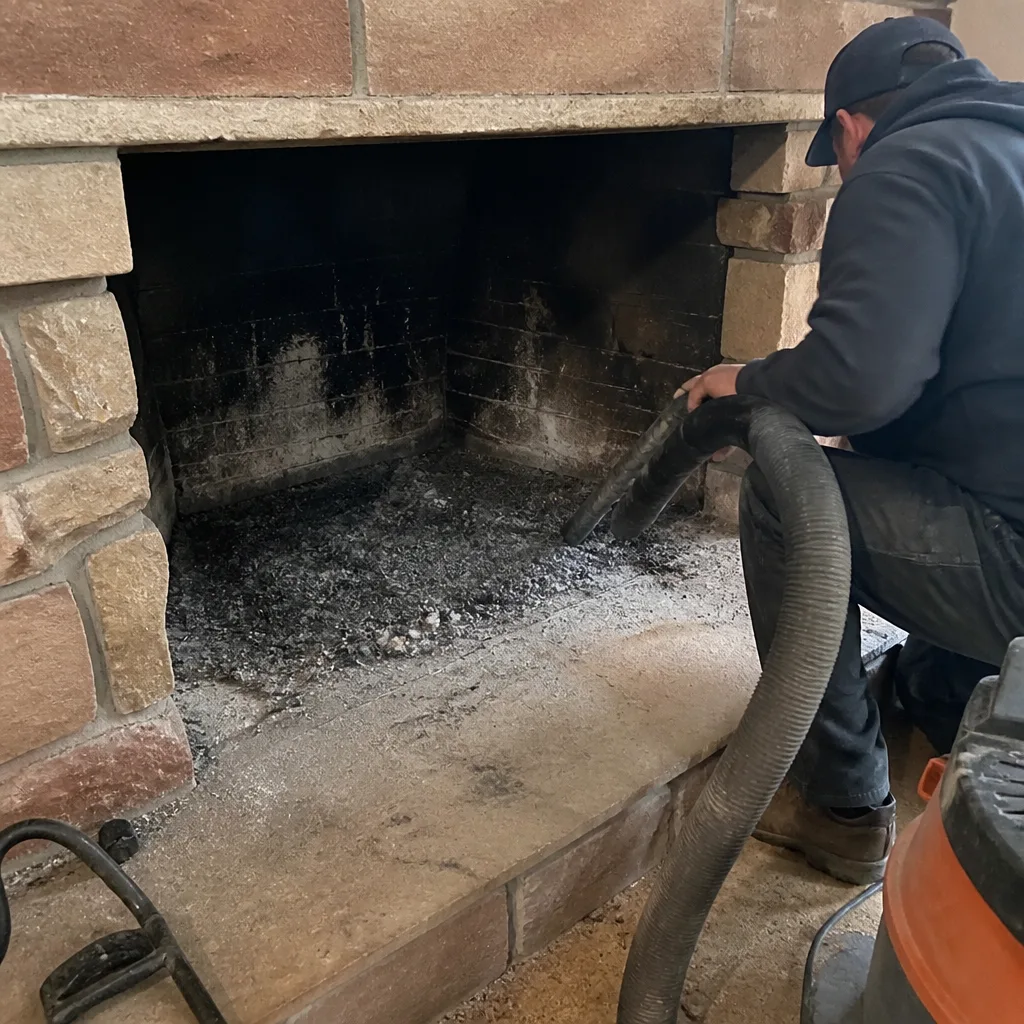 Before
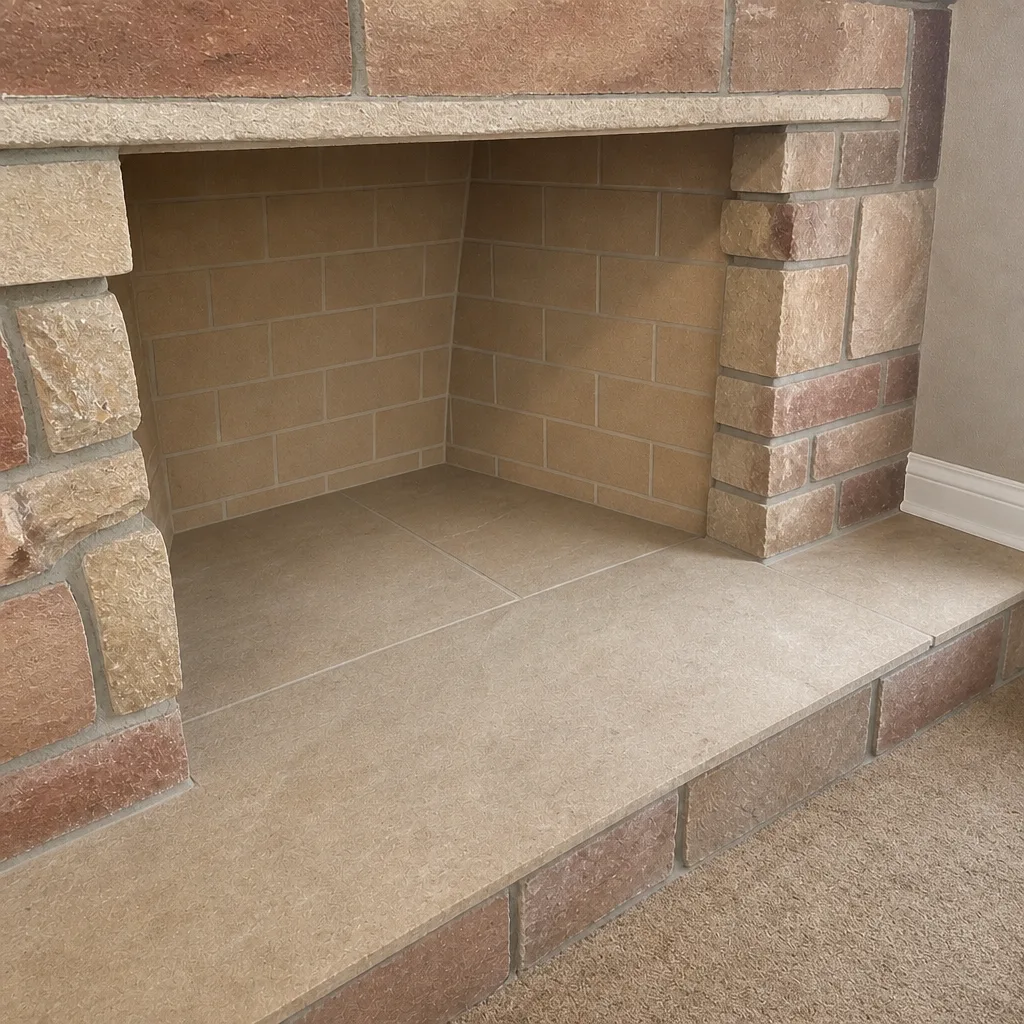 After
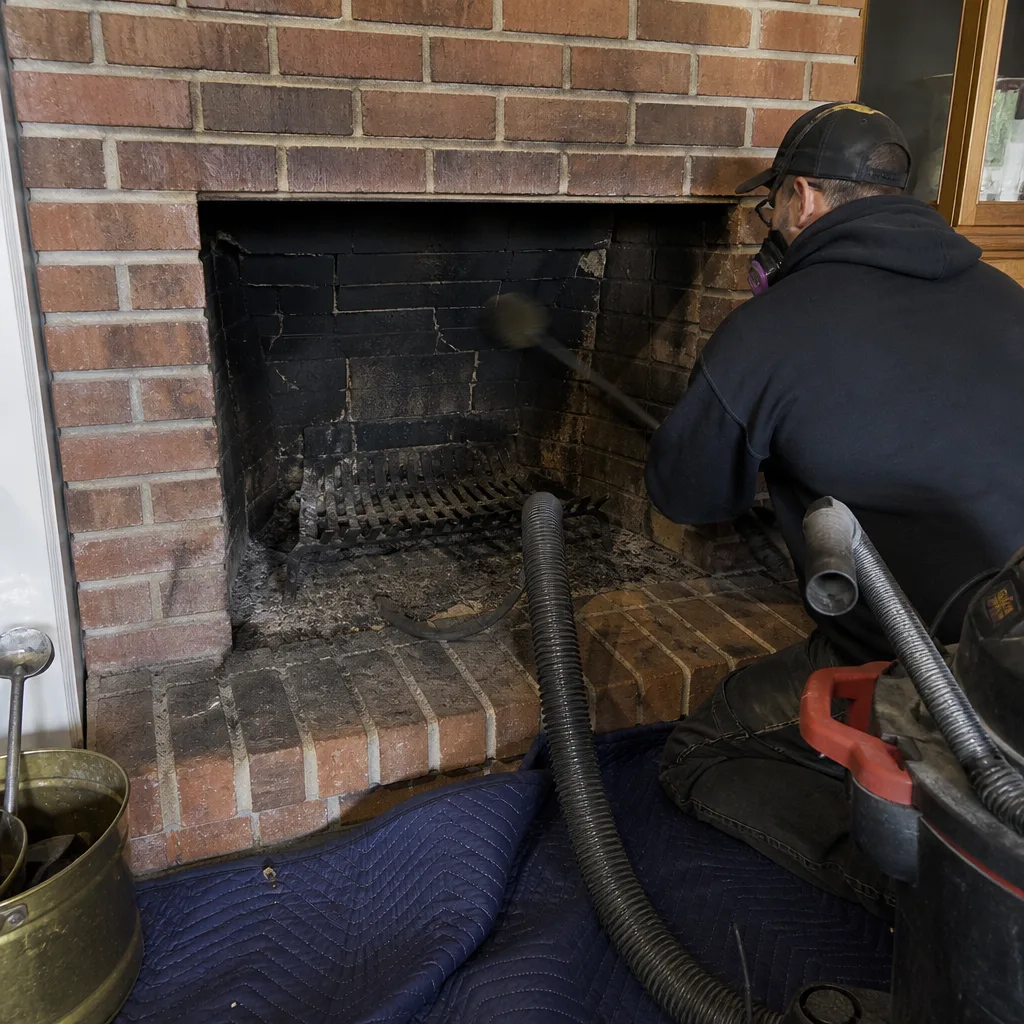 Before
 After
 Before
 After
When to Call a Professional
Some situations need a chimney professional on the phone and on the way, not a blog post. Call for an inspection right away if a chimney fire has occurred – even a small one – and you want the flue checked before you use it again. Call if a CO alarm has sounded, if you smell exhaust in the room when the fireplace is off, or if the draft on a fire has changed compared to last season. Call if a cap has come off in a storm, if the crown is cracked and water is coming in, or if you’ve moved into a Broomfield home and have no record of when the chimney was last swept or inspected. We inspect it, we repair it – same team, same standard – and the same visit that finds a problem can usually fix it with the parts and materials already on hand. Chimney Sweep Broomfield offers free estimates in Broomfield – call (833) 513-8675. We answer 24/7. Fast dispatch from 7am to 7pm, Sunday through Friday.
Frequently Asked Questions
Get everyone out and call 911 first. A chimney fire can reach the structure of a Broomfield home faster than most people realize, and the fire department is the only call that matters in the first minute. Once you’re outside, tell the dispatcher it’s a chimney fire. Call (833) 513-8675 after the fire department clears the scene and we’ll book an inspection before you use the fireplace again.
A sweep in Broomfield is priced per job by a written estimate, and we don’t quote a number over the phone before we’ve seen the flue. What we can say is that the price for a sweep is established in the estimate you receive before the work is booked, so there’s no surprise on the invoice. Call (833) 513-8675 for an exact quote – estimates are free.
Not always. A Level 2 inspection with a camera scan is what tells you whether the liner was damaged, and HeatShield ceramic resurfacing can often restore a clay flue without a full replacement. A DuraFlex flexible liner is the right call when the liner itself is cracked, separated, or rated below the appliance connected to it. Either way, the inspection evidence comes first. Call (833) 513-8675 and we’ll tell you what the scan shows before recommending anything.
Once a year, before the heating season starts, is the standard for a home that uses the fireplace regularly. A Broomfield home that burns through a long, cold winter should get swept every fall. If you burn a lot of fires or burn wet wood, you may need a sweep partway through the season. Call (833) 513-8675 to book the sweep – estimates are free.
Creosote builds up in the flue, the flue’s draft weakens, and the chimney fire risk goes up with every fire you burn. In a Broomfield winter, a glazed creosote layer that could have come off with a sweep in October is the fuel for a fire in January. The CO risk climbs too, since a restricted flue can back exhaust into the room. Call (833) 513-8675 to book the sweep before the season starts.
Call the fire department if you see flames, heavy black smoke, or a roaring sound coming from the chimney – that’s a fire in progress and only they can confirm the structure is safe. A small chimney fire that went out on its own still needs a Level 2 inspection before the chimney is used again, because the damage is invisible from the firebox. Call (833) 513-8675 and we’ll book the inspection.
The Bottom Line
A chimney emergency is predictable in the abstract and unpredictable in the moment, which is exactly why a plan is the tool that matters. Two protocols cover most of it: get out and call 911 during a fire, and take CO symptoms seriously by leaving the building and calling for help. Both are followed by the same step – a Level 2 inspection before the chimney is used again. In Broomfield, the right time to prepare is the fall, before the heating season loads the flue. And if you decide to have a professional check the flue before you light the next fire, we’d rather show you the camera scan than tell you what it says: Chimney Sweep Broomfield inspects, sweeps and repairs the whole system with the same team.
Call (833) 513-8675 for a free estimate. We answer 24/7. Fast dispatch from 7am to 7pm, Sunday through Friday.
Written by the team at Chimney Sweep Broomfield.