
Last updated November 25, 2026
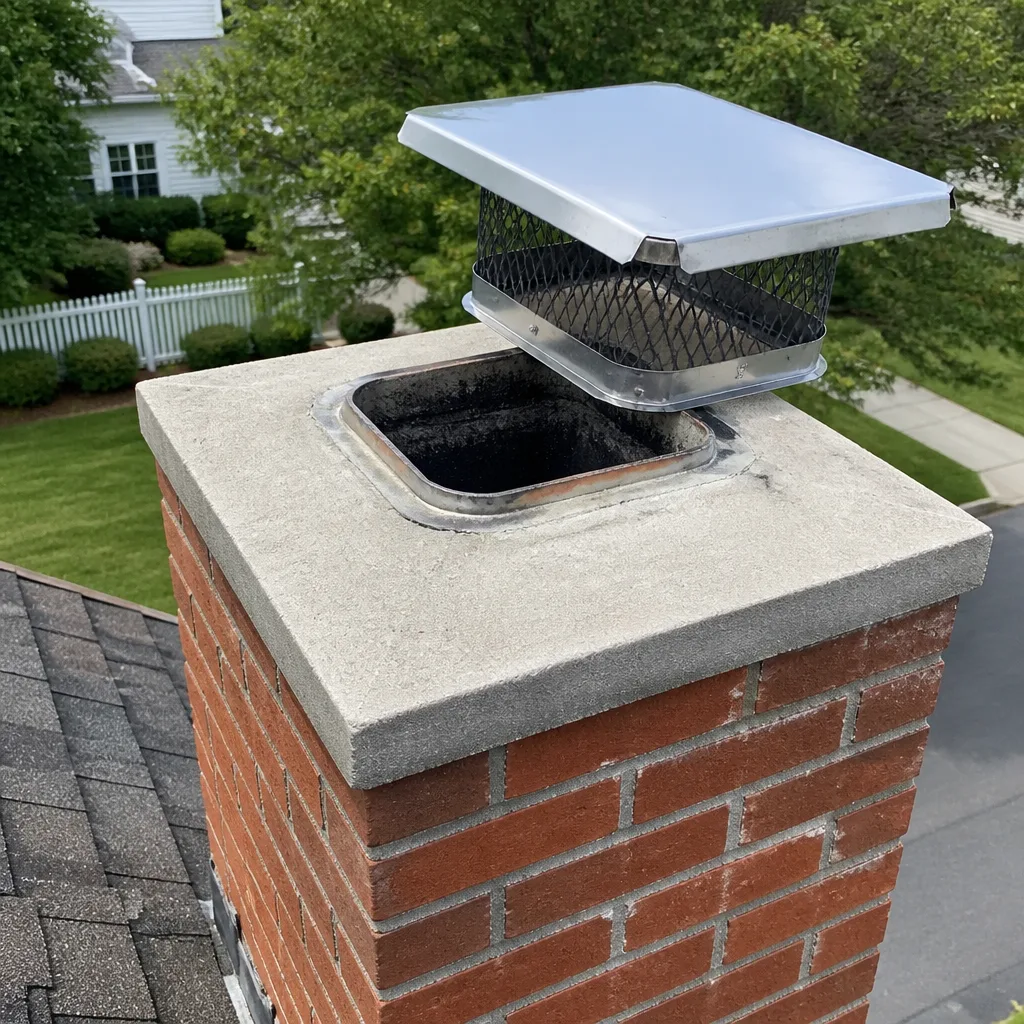 Sweep & inspection
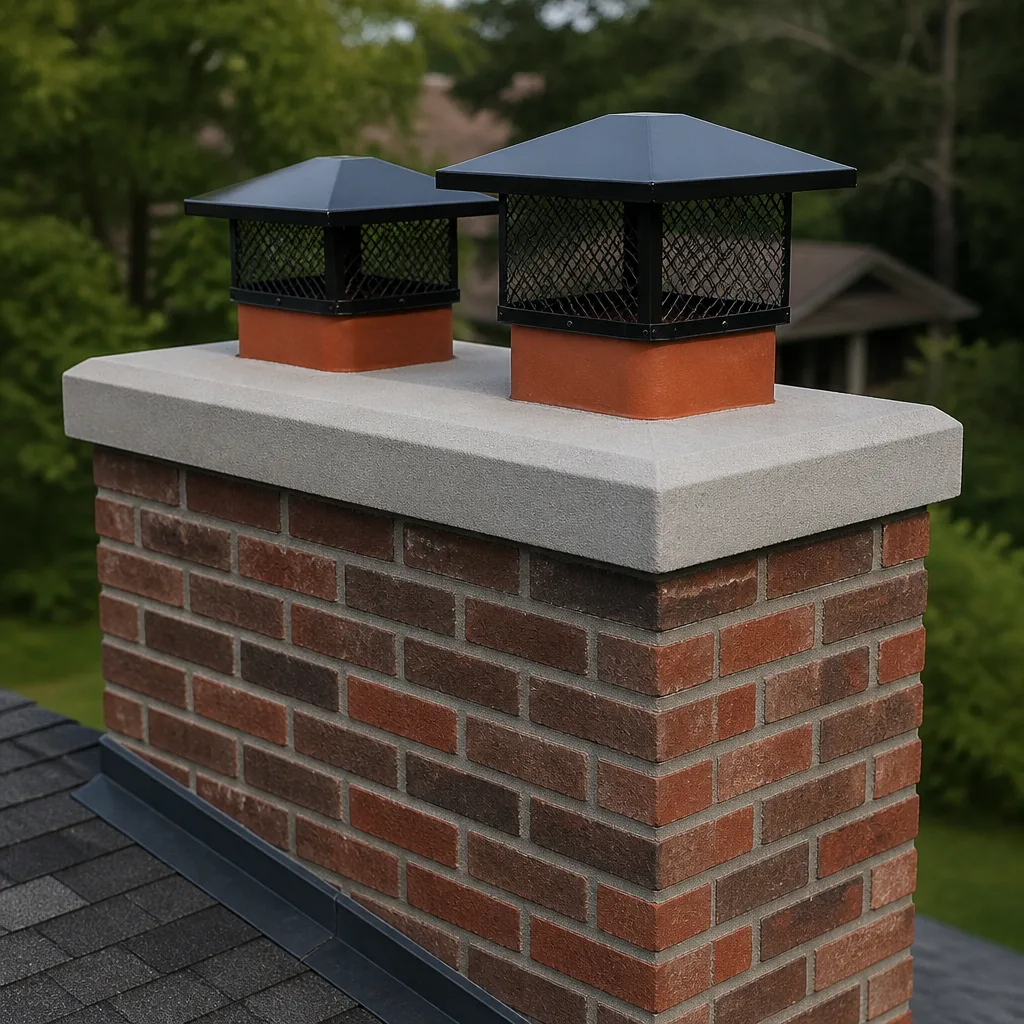 Caps & crowns
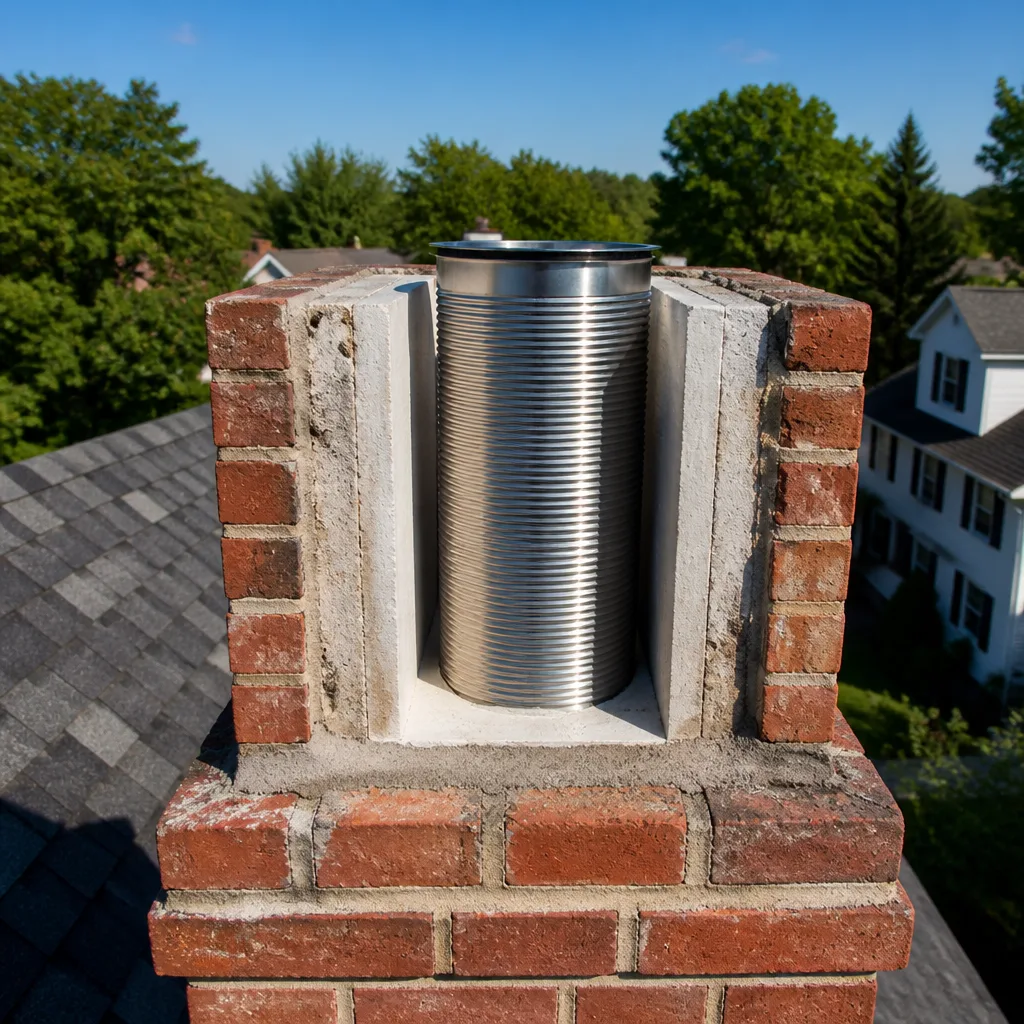 Flue relining
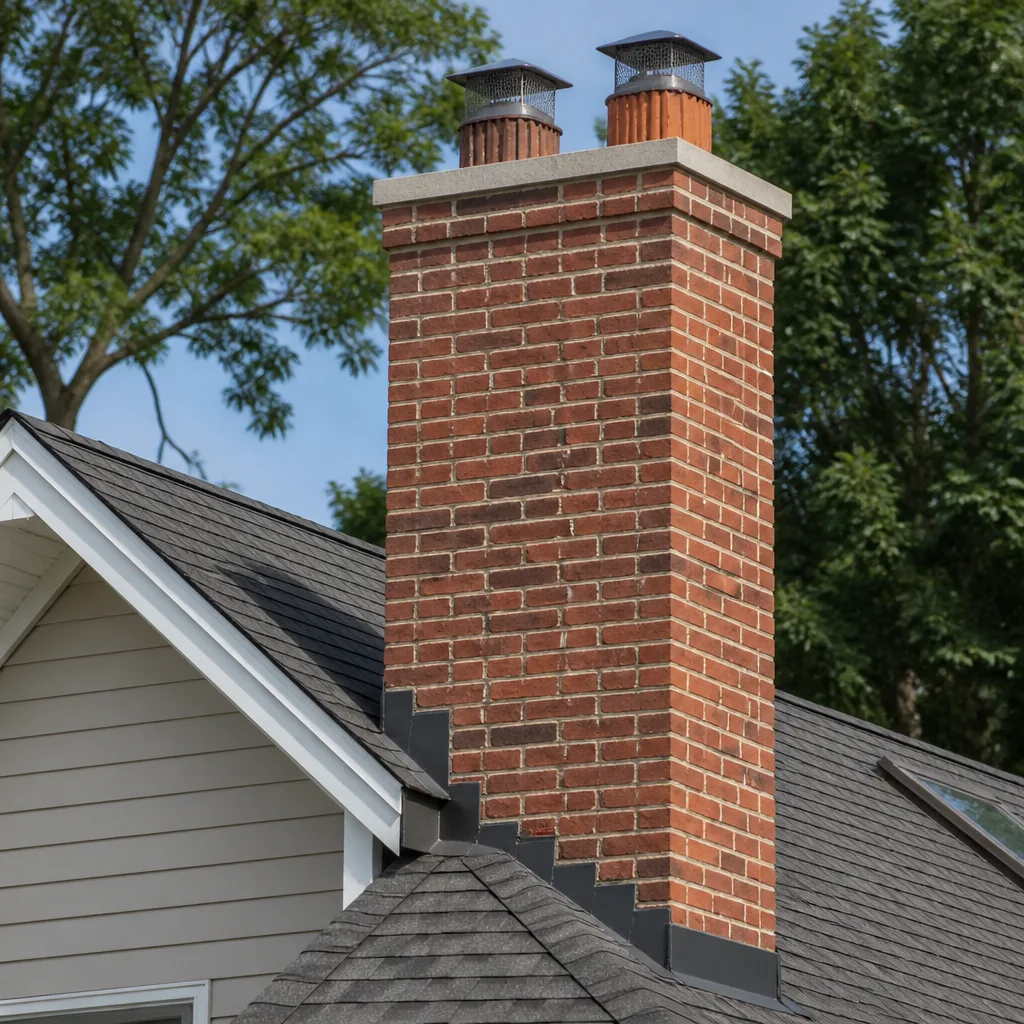 Masonry repair
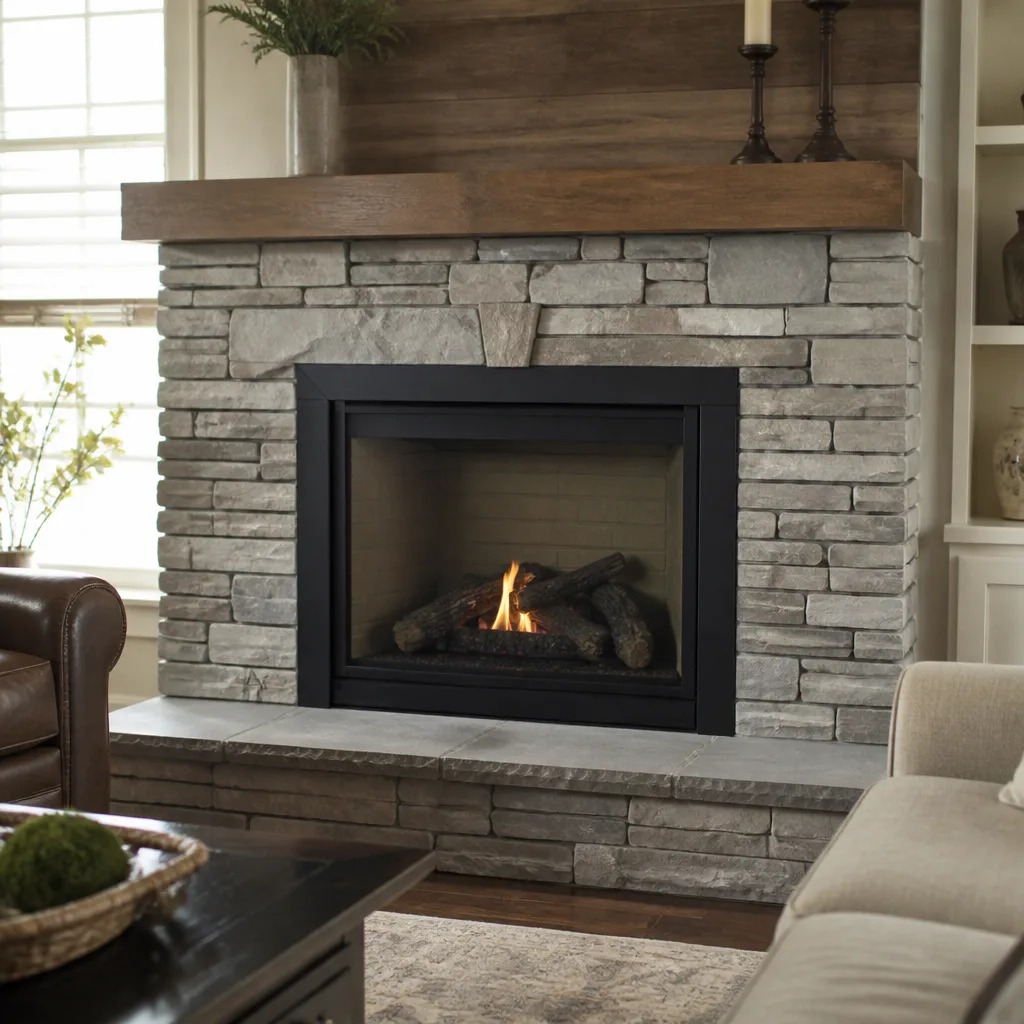 Gas fireplace service
Level 1 sweep and inspection to the NFPA 211 annual standard - flue, crown, cap, and flashing checked and photographed
Chimney sweep logs do not sweep chimneys. They loosen some creosote - which then falls where a brush and vacuum still have to collect it.
Chimney Cleaning Warning Signs: A Broomfield Homeowner’s Reference Guide
A smoky smell on a warm July day with no fire in the box isn’t a quirk of an old house. It’s a draft reversal symptom, and it often points to a blocked or deteriorating flue. Most chimney problems don’t arrive with drama. They show up as a faint odor you stop noticing, a little smoke that curls into the room before the flue warms, a rust stain on the damper you mean to look at later. Homeowners in Broomfield rationalize these things away for months. This guide maps each symptom to its likely cause, tells you which ones mean “book a sweep” and which mean “don’t light another fire,” and explains what a technician is actually looking for when they put a camera up your flue.
Quick Answer
The most reliable chimney cleaning warning signs are a strong or changing odor (acrid, musty, or sulfuric), smoke that rolls back into the room on ignition, a firebox with spalling firebrick or a rusted damper, and exterior symptoms like crumbling mortar joints, a cracked crown, or stained siding above the chase. Odors and slow draft usually point to creosote buildup or a blocked flue; rust and white staining point to water intrusion. Any sign of a blocked flue, heavy creosote, or draft reversal means stop using the fireplace until it’s inspected.
Styles & brands we work with
- Sweep & inspection
- Caps & crowns
- Flue relining
- Masonry repair
- Gas fireplace service
Table of Contents
- What Your Chimney’s Smell Is Telling You
- What to Look For Inside the Firebox
- Exterior Warning Signs Most Homeowners Walk Past
- Draft Problems: Why Cleaning Might Not Fix It
- How Broomfield’s Climate Affects Your Chimney
- Triage: Schedule Soon vs. Do Not Use
- What a Professional Inspection Actually Covers
- Common Mistakes to Avoid
- When to Call a Professional
- Frequently Asked Questions
What Your Chimney’s Smell Is Telling You
Chimney odor is diagnostic if you pay attention to what kind of smell it is. Not all chimney smells mean the same thing, and treating them as one problem is how homeowners end up sweeping a flue that was never the issue. The type of odor narrows the cause fast.
- Acrid, sharp, or tar-like odor. This is the smell of creosote, the residue left behind by wood smoke. A strong acrid smell in the house, especially on a humid day or when the fireplace isn’t in use, usually means creosote has built up on the flue walls and is off-gassing. Heavy creosote is also the main fuel in a chimney fire, which is why this odor is the one to take most seriously.
- Musty or damp odor. A musty smell points to moisture getting into the flue or firebox from outside. Water finds its way in through a cracked crown, a missing or damaged cap, or failing mortar joints. The smell is the symptom; the water intrusion is the problem, and it will keep damaging the chimney until the entry point is sealed.
- Sulfuric or rotten-egg odor. This one is specific. It usually points to a flue that’s blocked by debris, an animal nest, or a bird that came down the chimney and didn’t make it out. The smell comes from decomposition in the flue, and it also means your flue is obstructed, which is a safety issue, not just an unpleasant one.
A smoky smell with no fire burning is its own warning. It’s often a draft reversal, where the flue is pulling cold air down into the house instead of pushing warm air up. That can happen because the flue is blocked, because the liner has deteriorated and lost its smooth interior, or because the house is under negative pressure. When a homeowner in Broomfield tells us the fireplace smells smoky in the summer, we don’t assume it’s just the house. We inspect the flue, because the same symptom has three very different causes and only one of them is fixed by cleaning alone.
If the smell is chronic and the last chimney sweep was more than a year ago, that’s your starting point. Odor is often the earliest sign that creosote is accumulating faster than you thought.
What to Look For Inside the Firebox
The firebox is the part of the system homeowners can inspect themselves with a flashlight, and it’s where a lot of early warning signs are visible. You’re not looking for perfection. You’re looking for change: cracks that weren’t there last season, stains that have spread, rust that keeps coming back after you wipe it.
- Spalling firebrick. Firebrick is the brick lining the inside of the firebox. Spalling means the surface is flaking, peeling, or crumbling away. When firebrick spalls, it thins the barrier between the fire and the structure behind it. A few hairline surface cracks are common, but flaking, crumbling brick or brick that’s visibly missing mortar joints is a real problem.
- Rusted damper plate. The damper is the metal plate that opens and closes the flue. If the damper is rusted shut, stuck partially open, or rusted to the point that it no longer seals, you’ve got two issues at once: a damper that won’t do its job, and evidence that moisture is getting into the firebox. Rust inside the firebox almost always means water is entering from above.
- White staining on the back wall. A powdery white deposit on the back wall of the firebox is a sign of efflorescence, which happens when water moves through masonry and leaves mineral deposits behind as it evaporates. It’s a water intrusion signal. It’s also easy to mistake for ash staining, so look for a chalky texture rather than soot.
- Cracked or missing mortar between firebrick. Missing mortar opens gaps that let heat reach the brick and structure behind the firebox. This is a repair, not a cleaning task, and it’s one of the reasons we treat fireplace repair as part of the same system as the flue. You can read more about the process on our fireplace repair page.
- Soot and creosote patterns. A heavy, glossy black coating on the firebox walls or the smoke chamber suggests a flue that isn’t drafting well or a fire that’s been burning too cool. Either way, it’s worth a look up the flue.
If you find spalling firebrick or a rusted damper, don’t light a fire until a technician has seen it. The firebox is the one part of the chimney system that’s directly exposed to flames, and small defects there tend to grow rather than heal.
Exterior Warning Signs Most Homeowners Walk Past
Some of the clearest warning signs are on the outside of the house, and almost nobody looks at them. You don’t need a ladder. You can see most of this from the yard with a pair of binoculars or from a second-story window.
- Deteriorating mortar joints. Look at the brickwork of the chimney chase, not the house. Mortar joints that are receding, crumbling, or missing are a sign the chimney is weathering. Once mortar goes, water gets in, and freeze-thaw cycles in a Colorado winter make the damage worse each season.
- Crown cracking. The crown is the concrete cap on top of the chimney that sheds water away from the flue. Cracks in the crown look small from the ground, but a crown that’s cracked or pulling away from the flue is one of the most common points of water intrusion in a chimney. This is exactly the kind of damage that leads to rusted dampers and musty smells inside. We handle crown and cap work as its own service because stopping water at the top is far easier than repairing what it does on the way down.
- Stained siding above the chase. A brown or rusty stain on the siding near the top of the chimney chase is water carrying masonry minerals or rust with it. It’s a visible trail of a leak you might not otherwise catch.
- Missing or damaged chimney cap. The cap is the cover over the flue that keeps rain, snow, birds, and debris out. A missing cap, a cap with a rusted-out screen, or a cap that’s been bent loose is an open door to your flue. This is one of the simplest fixes with the biggest protective payoff, and it’s the reason cap and crown work is worth checking at the same time as a sweep.
- White staining on exterior brick. Efflorescence on the outside of the chimney chase means water is moving through the masonry. Combined with cramping mortar or a cracked crown, it almost always points to the same root cause.
Walk around your house once a season and look up. If something on that list has changed since the last time you looked, it’s worth an inspection. Our chimney repair work begins with understanding where the water is getting in, not just patching the symptom on the interior.
Draft Problems: Why Cleaning Might Not Fix It
Draft is the movement of air up your chimney, and when it fails, the symptoms show up as smoke in the room, slow ignition, or a fire that smolders instead of burning clean. Homeowners often assume a draft problem means the chimney is dirty and a sweep will fix it. Sometimes that’s true. Often it isn’t.
Smoke backdraft. Smoke rolling out of the firebox into the room when you light a fire is the most obvious draft failure. It can happen because the flue is blocked, because the firebox is oversized for the flue, because the house is tightly sealed and starving the fire of air, or because the chimney is on an exterior wall and takes a long time to warm up.
Slow ignition and smoldering fires. If it takes unusually long for a fire to catch, or the fire keeps smoldering no matter how much air you give it, the flue may be undersized, obstructed, or damaged. A fire that burns cool deposits more creosote, which makes the next fire burn worse. It’s a loop, and cleaning alone won’t break it if the underlying draft problem remains.
Draft reversal with no fire. Cold air coming down the flue when the fireplace is off, and that smoky smell on a warm day, usually mean the flue is obstructed or the pressure balance in the house has shifted. Newer homes in Broomfield are built tight, and tight houses commonly starve a fireplace of combustion air. That’s not a cleaning problem. It’s a system problem.
Where cleaning does help: creosote buildup narrows the flue and roughens its interior, which slows the airflow that draft depends on. A swept flue drafts better. But if the flue is blocked by a bird nest, has a collapsed liner, or the house has a pressure problem, sweeping won’t fix the symptom and you’ll be back to smoke in the room the next time you light a fire. Draft problems need diagnosis, not just a brush. When a crew tells you cleaning will fix it and it doesn’t, that’s the moment to get an inspection with a camera.
How Broomfield’s Climate Affects Your Chimney
Broomfield sits on the Front Range, and the climate here works a chimney harder than most homeowners realize. The freeze-thaw cycle is the big one. Water gets into mortar joints, cracks, and the crown, freezes overnight, expands, and thaws the next day. Do that enough times and a small crack becomes a structural defect. The exterior signs in this guide are all worse in a climate with repeated freezes, which is why Broomfield homeowners should check the crown and mortar annually, not once a decade.
The second factor is how the fireplace gets used here. Cooler evenings start earlier than most people expect, and fires get lit before the flue has been checked for the season. Creosote that built up over the last heating season sits in the flue all summer, and the first fires of fall burn on top of it. A sweep before the heating season starts is far easier on the chimney than discovering the buildup mid-winter.
The third is air pressure. Newer construction and tight weatherization in the area mean fireplaces compete for combustion air. A fireplace that drafted fine the year before can start smoking back when windows are sealed up for winter. If that happens, don’t assume the flue is dirty. It may be, but it may also be a pressure issue, and they’re fixed in different ways.
If you’ve never had the system looked at, or the last service was more than a year ago, start with a chimney sweep Broomfield and get an inspection at the same time. The two belong together.
Triage: Schedule Soon vs. Do Not Use
Once you’ve spotted a warning sign, the question isn’t just what it is. It’s how fast you need to act. This is the framework we use, and it’s worth committing to memory.
Schedule soon (stop worrying, but book it)
- A faint creosote smell that shows up occasionally, with a last sweep more than a year ago.
- A few hairline cracks in firebrick with no crumbling, flaking, or missing mortar.
- A damper that opens and closes but has minor surface rust.
- A chimney cap with a screen that’s worn but still in place.
- A fire that drafts a little slowly on cold mornings but catches without smoke in the room.
- A single small crack in the crown that hasn’t visibly worsened.
Do not use the fireplace until inspected
- Any sulfuric or rotten-egg odor. The flue is likely blocked and could be by a decomposing animal, a nest, or debris.
- Smoke rolling into the room on ignition, every time, with no sign of stopping.
- Spalling or crumbling firebrick, or firebrick with missing mortar joints.
- A damper that’s stuck shut, stuck open, or rusted solid.
- White staining on the firebox wall combined with a rusted damper. Water is actively entering the system.
- Visible creosote buildup that’s glossy or puffy on the flue walls (you’ll see it if the flue is visible from the firebox).
- Any suspicion that the flue or liner is damaged. A damaged liner is an immediate fire risk.
The rule is simple: if you’re not sure which list a symptom belongs on, treat it as the second list until a technician has seen it. A fireplace isn’t a system where you gamble on “probably fine.” The cost of waiting is measured against the cost of a fire in the flue or carbon monoxide in the living space, and the first is always higher.
What a Professional Inspection Actually Covers
A chimney inspection is not the same as a sweep, and it’s not a sales pitch for repair work. An inspection is a diagnostic appointment where we look at the whole system and tell you what condition it’s in. Here’s what a thorough one covers:
- The flue, by camera. A camera goes up the flue to check for creosote buildup, blockages, cracks in the liner, gaps at the joints, and the condition of the liner surface. This is the view you can’t get from the firebox with a flashlight, and it’s where the real cause of most draft and odor problems is found.
- The firebox and damper. Firebrick condition, mortar joints, damper operation and rust, and the smoke chamber above the damper.
- The cap and crown. Condition of the cap, the spark screen, and the crown on top of the chimney.
- The exterior and chase. Mortar joints, brickwork, staining, and signs of water intrusion from above.
- The overall draft and system sizing. Whether the flue is appropriately sized for the firebox and appliance, and whether the draft matches what the system needs.
You should get a clear report from an inspection, with photos from the camera so you can see what the technician is seeing. Nothing gets recommended that you can’t verify for yourself. If the flue is showing minor deterioration but isn’t a safety risk yet, we tell you it can safely wait and what to watch. If it needs a repair, we show you the evidence. That’s the standard we hold ourselves to because the alternative, homeowners who don’t trust what they’re told, is worse for everyone.
Our technicians have up to 8 years of experience, and inspections are a standalone service with us. You can book one without committing to any repair, and if the repair is needed, we handle it. That range of capability matters because a sweep-only outfit can tell you something’s wrong but can’t fix it. We inspect it and we repair it, same team, same standard. Liner restoration, for example, uses HeatShield ceramic flue resurfacing, a repair technique that restores a deteriorated flue without a full liner replacement. That’s not a service most sweep-only operations can offer. When a full liner replacement is the right call, we install DuraFlex flexible liners, and the flue accessories we work with come from brands like Olympia Chimney and Famco. Professional-grade materials installed by trained hands is the whole idea. A clean chimney is the starting point; a safe chimney is the goal.
Common Mistakes to Avoid
- Assuming a yearly sweep is the same as an inspection. A sweep removes creosote. It doesn’t tell you if the liner is cracked or the crown is failing. Book both, or ask for an inspection that includes a camera.
- Treating a musty smell as a fireplace quirk. A musty smell in the firebox or the room near the chimney usually means water is getting in. Left alone, it leads to a rusted damper and eventually masonry damage. In Broomfield’s freeze-thaw climate, that damage compounds every winter.
- Judging the chimney by the inside only. Most of the expensive damage starts outside, at the crown and the mortar joints. A quick look at the exterior once a season catches things long before they reach the firebox.
- Burning fires to “clear out” a smoky smell. If the smell is sulfuric or the fire rolls smoke into the room, lighting another fire is the wrong move. It can push more smoke into the house and worsen an obstruction. Stop and get it inspected.
- Ignoring a slow draft because the fire eventually catches. A fire that struggles to ignite is a fire burning inefficiently, and inefficient fires deposit more creosote. The draft problem is the cause; the creosote is the symptom.
- Letting a general handyman guess at a chimney problem. Chimneys are a system, not a repair category. A sweep-only or handyman visit that stops at cleaning can miss a liner defect, a cracked crown, or a sizing problem that a full inspection would catch.
- Skipping the cap because “it’s just a cover.” The cap and crown are your first line of defense against water, animals, and debris. A missing cap is a common reason for a flue that’s blocked or a firebox that’s rusting.
When to Call a Professional
Call us when a warning sign appears that you’re not sure how to classify, when you’ve found something on the “do not use” list, or when the last service on the system was more than a year ago. Call if you’ve never had the chimney inspected and you’ve been burning fires in it. Call if a fire has ever smoked back into the room, if there’s a smell that won’t go away, or if you’ve seen cracks, staining, or crumbling mortar from the yard. Don’t wait for a problem to get worse to have it looked at. An inspection tells you what’s actually going on, with photos you can see, and we handle the repair if one is needed. Chimney Sweep Broomfield offers free estimates in Broomfield. Call (833) 513-8675. We answer 24/7. Fast dispatch from 7am to 7pm, Sunday through Friday.
Frequently Asked Questions
Once a year is the general rule for a chimney in regular use, and it’s worth doing before the heating season, not after. In Broomfield’s climate, the freeze-thaw cycle also makes an annual exterior check worthwhile, because crown and mortar problems get worse fast over a winter. An annual sweep plus an inspection catches most issues while they’re small.
It can be. A smoky smell on a warm day with no fire often points to a draft reversal from a blocked or deteriorating flue. It’s not always serious, but the causes range from a bird nest to a damaged liner, so it’s worth having the flue camera-inspected rather than written off. Call (833) 513-8675 for an inspection; estimates are free.
White, chalky staining on the firebox wall is usually efflorescence, which means water is moving through the masonry and leaving minerals behind as it dries. It points to a leak, often from a cracked crown or a failing cap. It’s a water intrusion signal, not a cleaning issue.
Yes. A slow-burning chimney fire can go unnoticed, especially if it’s small and the creosote is limited to a section of the flue. That’s one of the reasons an inspection matters even when there’s no obvious sign of trouble. A camera finds the damage a chimney fire leaves behind, so any suspected fire should be followed by an inspection.
Not always. Cleaning helps when creosote buildup is restricting air flow, but if the flue is blocked by debris or a nest, the liner is damaged, or the house has an air pressure problem, a sweep alone won’t fix it. Draft issues need a diagnosis, not a guess.
Stop using the fireplace and get an inspection. A sulfuric smell usually means something has died in the flue or the flue is blocked by debris. It’s a safety issue, not just an unpleasant one. Call (833) 513-8675, and we’ll schedule an inspection and clear the obstruction; the estimate is free.
The Bottom Line
Chimney problems rarely announce themselves. They arrive as an odor you stop noticing, smoke that curls into the room before the flue warms, a rusted damper you keep meaning to look at, a crack in the crown you can only see from the yard. Each of those is a symptom with a specific cause, and the guide above connects them: smells point to creosote, water, or a blockage; firebox findings point to heat damage or leaks from above; exterior findings point to water intrusion that gets worse every winter in Broomfield. The triage framework is the part that matters most. Know which signs mean “book it soon” and which mean “don’t light another fire,” and get a camera inspection when you’re unsure. If you’d rather have someone who knows chimneys look at it and tell you straight, we’re here. Cap, crown, liner, firebox: we service the whole system, not just the visible part. Know what’s inside your flue before you light the next fire.
Call (833) 513-8675 for a free estimate. We answer 24/7. Fast dispatch from 7am to 7pm, Sunday through Friday.
Written by the team at Chimney Sweep Broomfield.
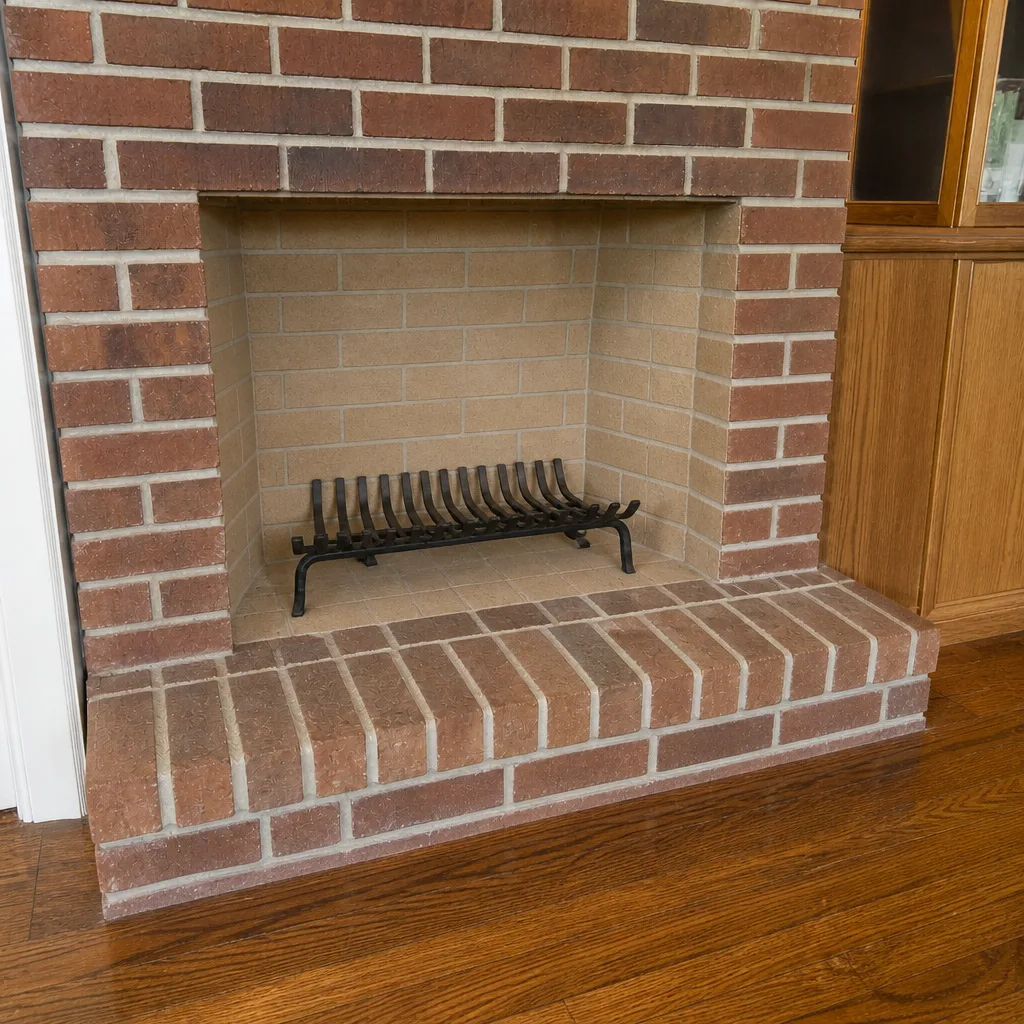
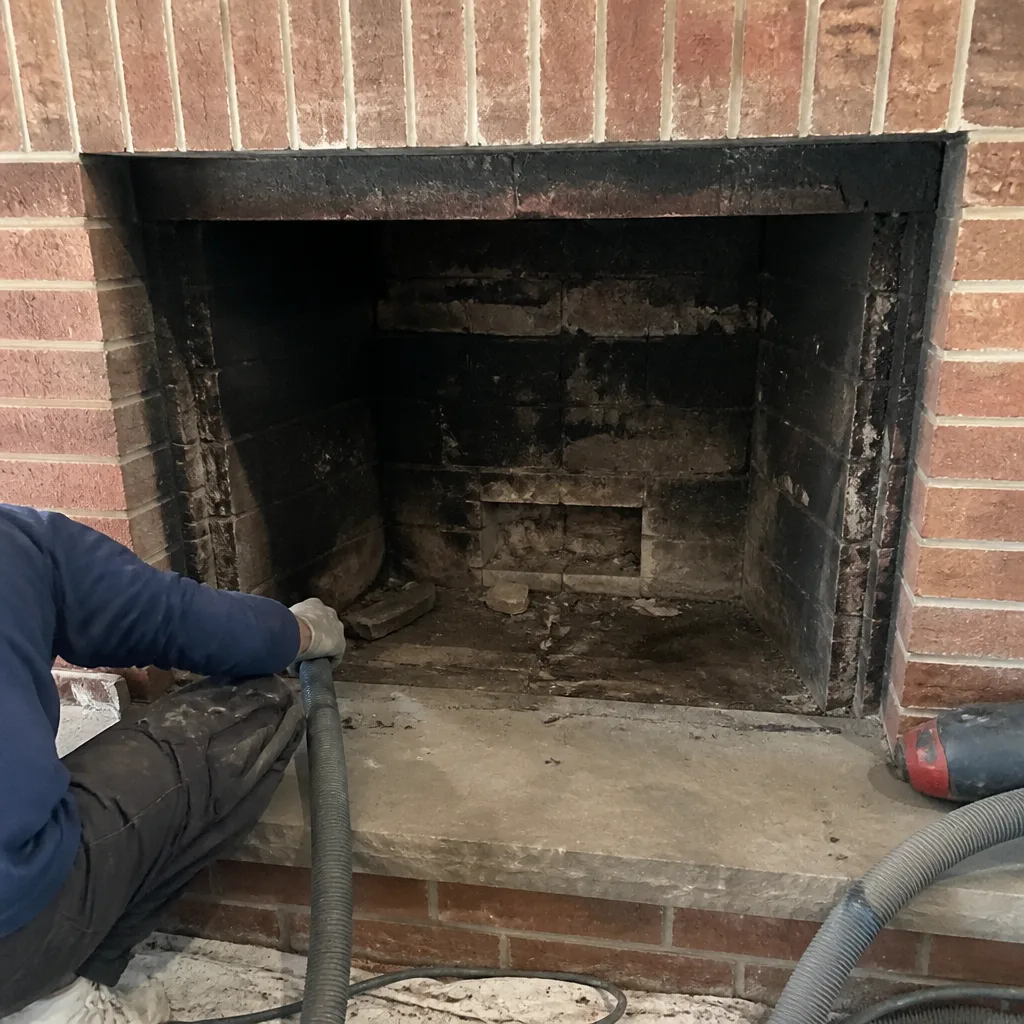
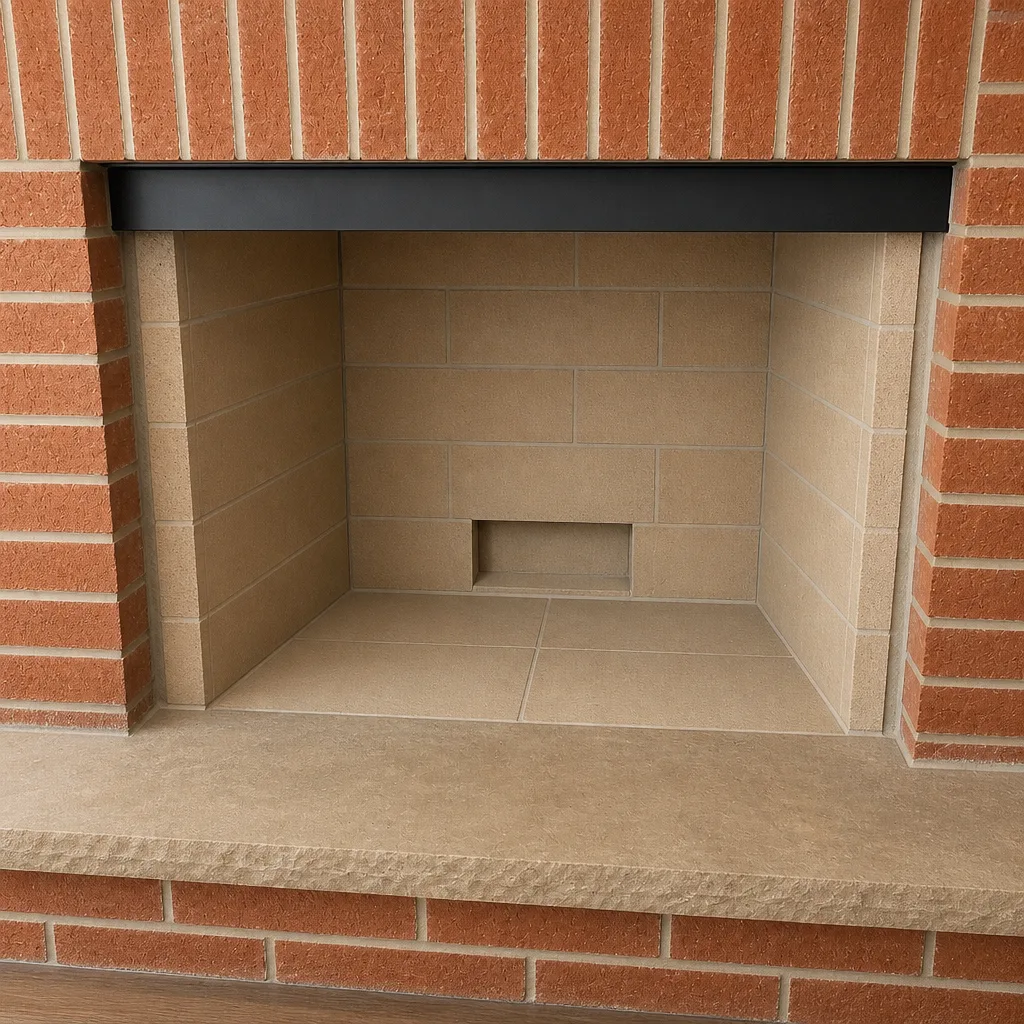
See the difference
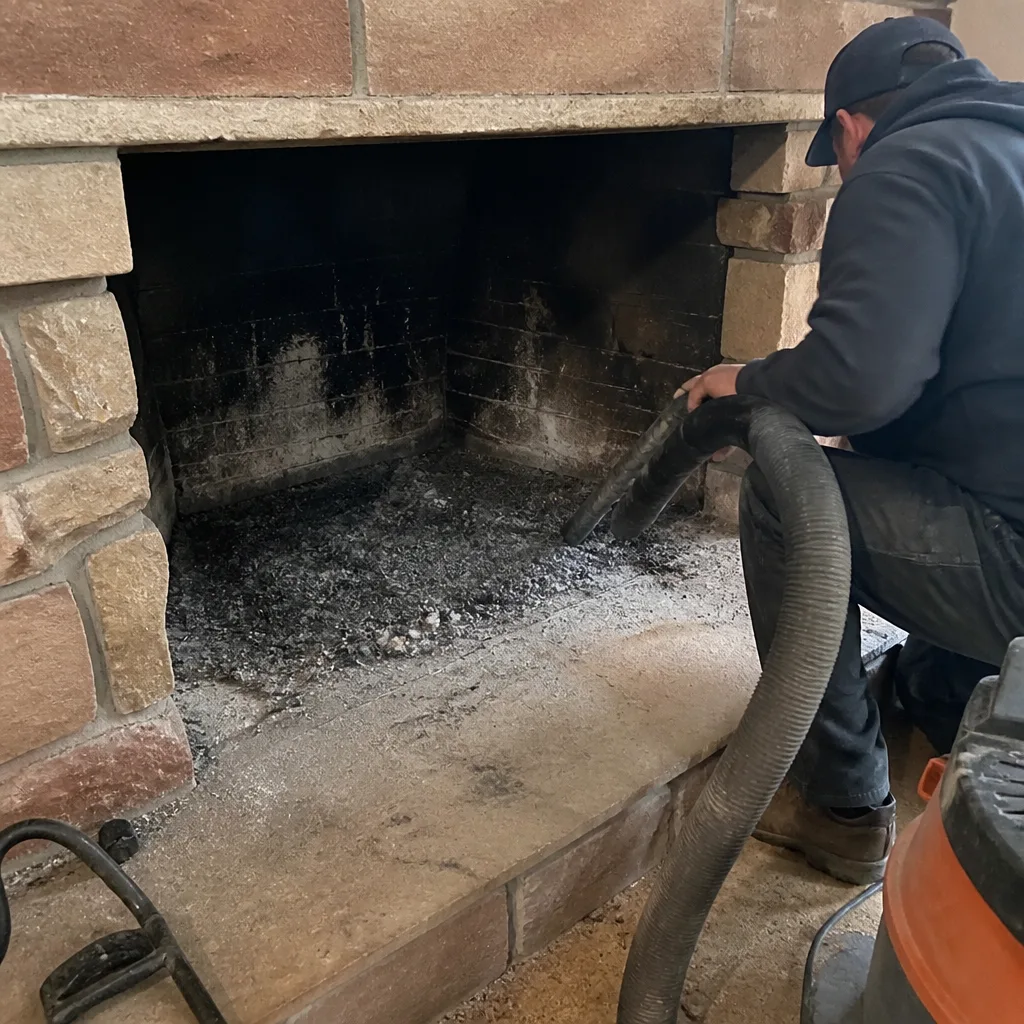 Before
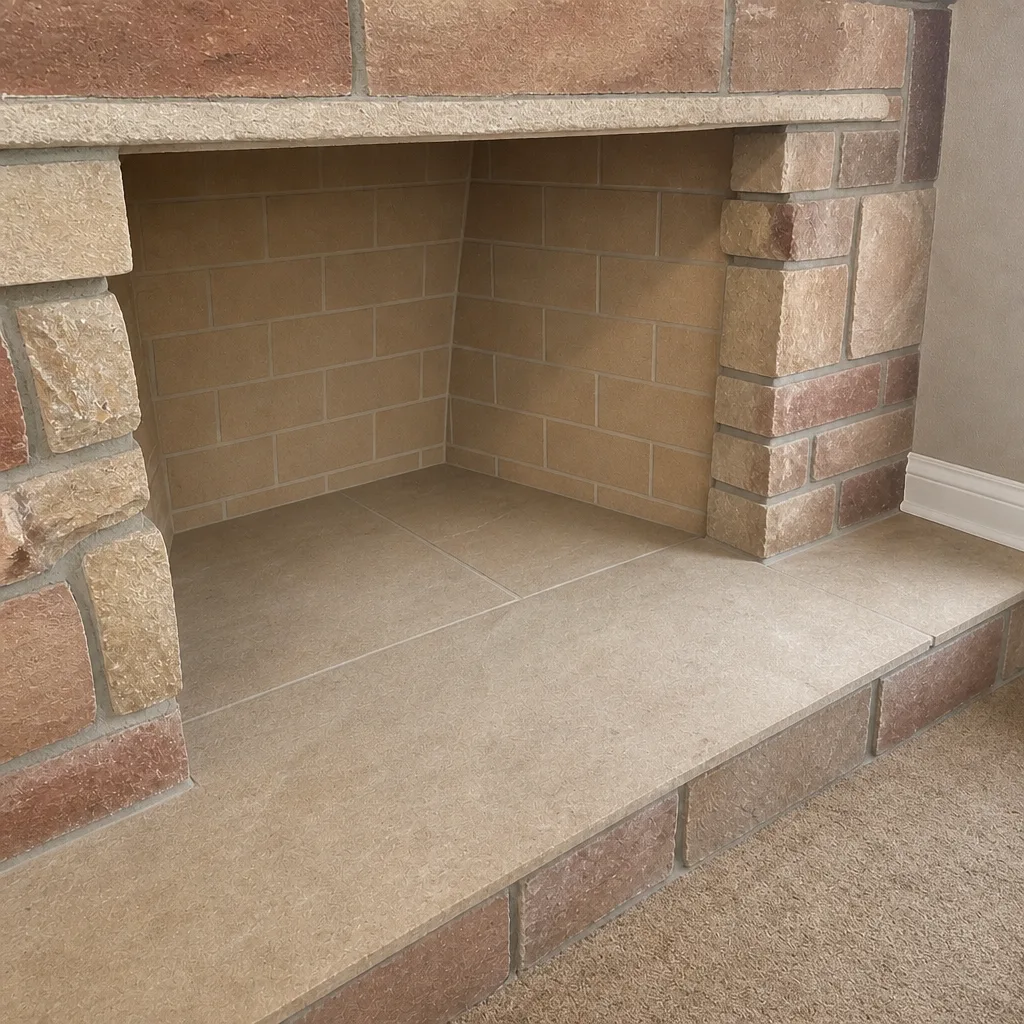 After
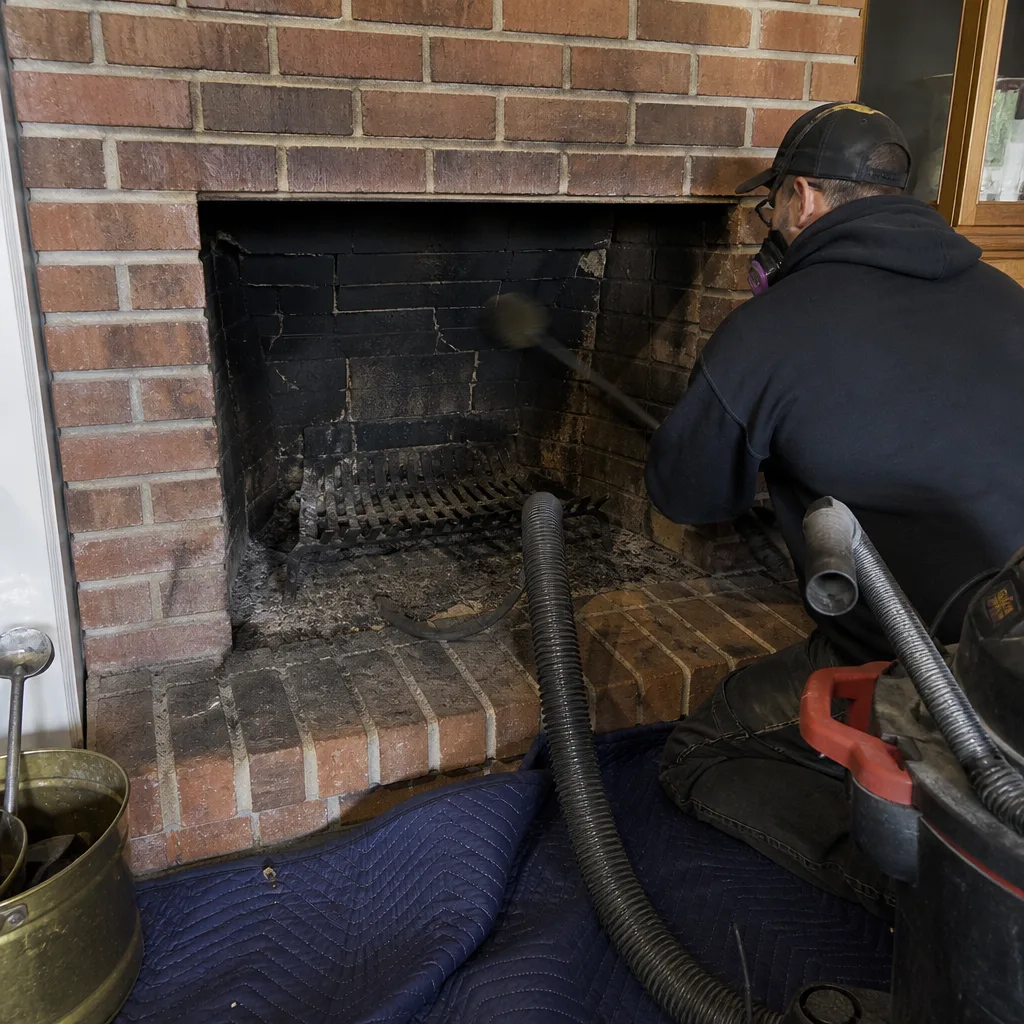 Before
 After
 Before
 After