
Last updated November 25, 2026
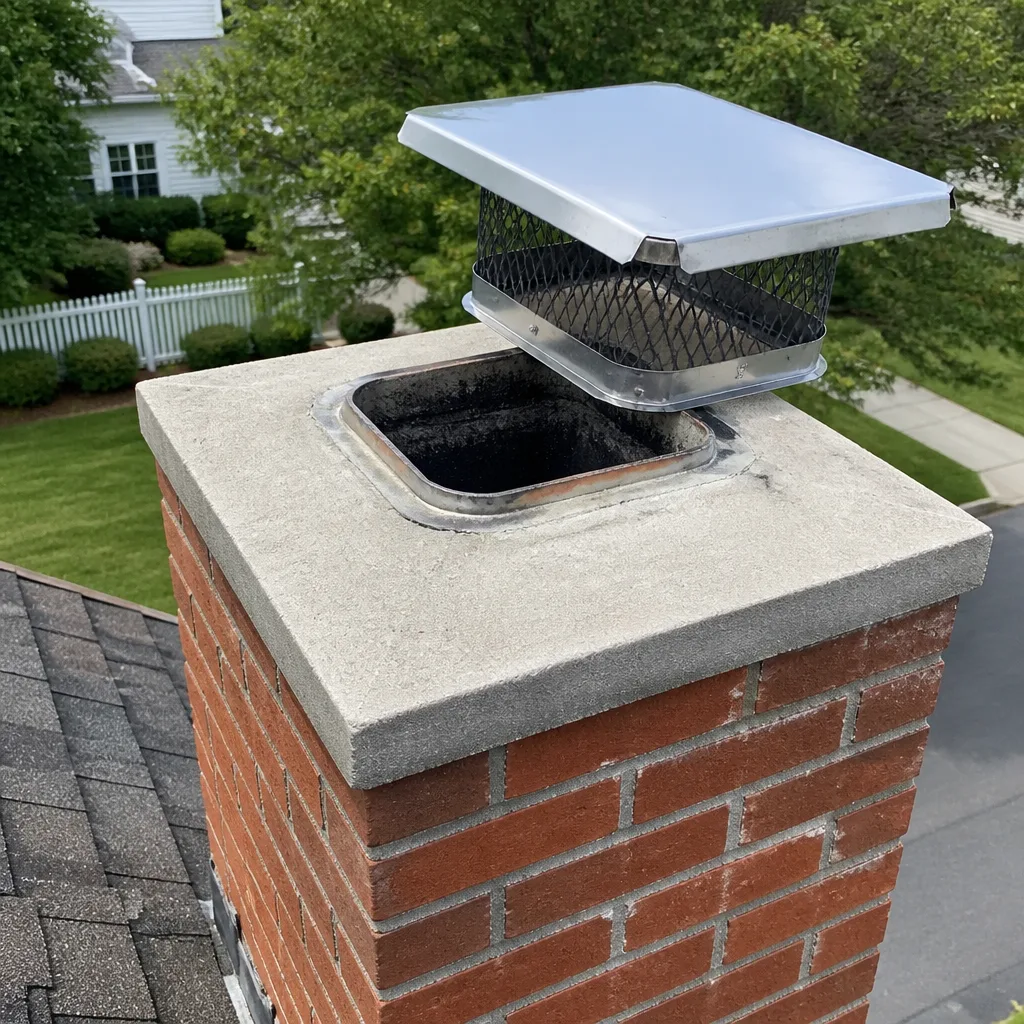 Sweep & inspection
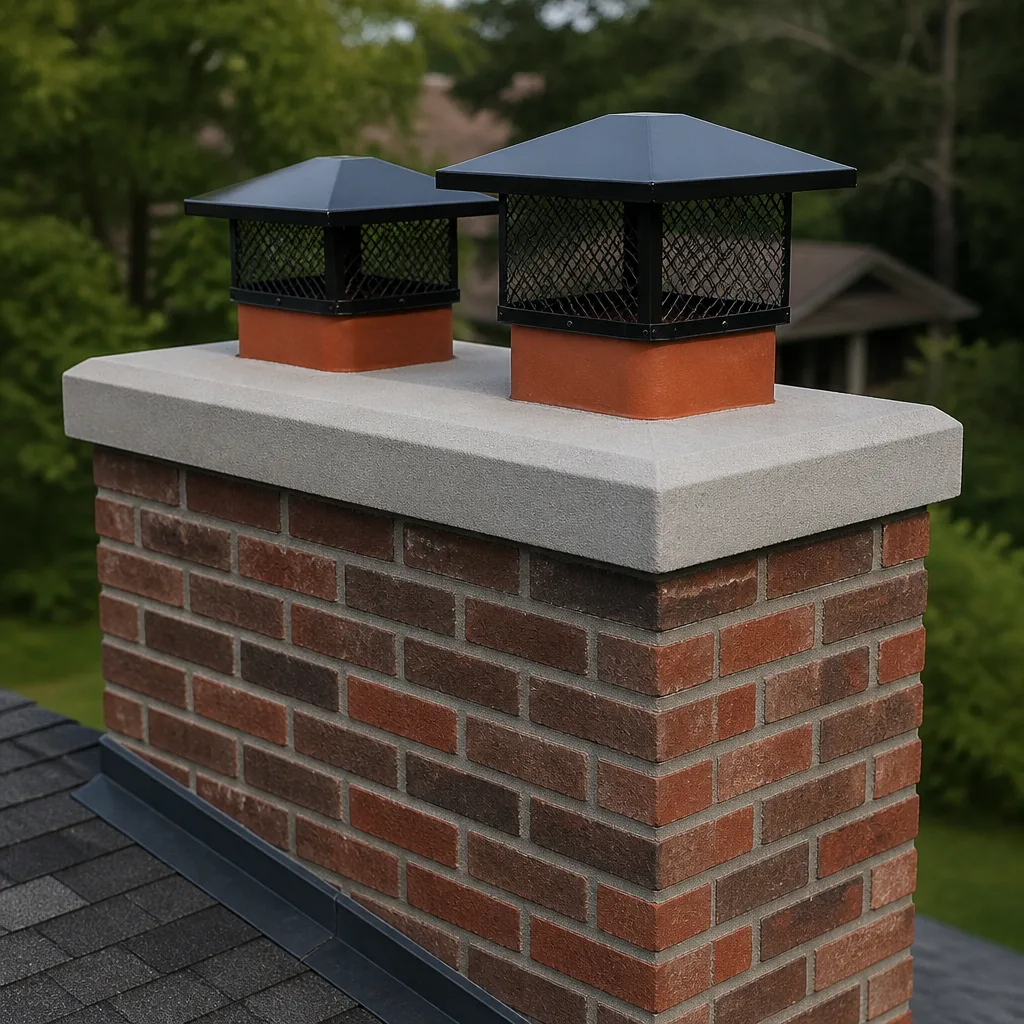 Caps & crowns
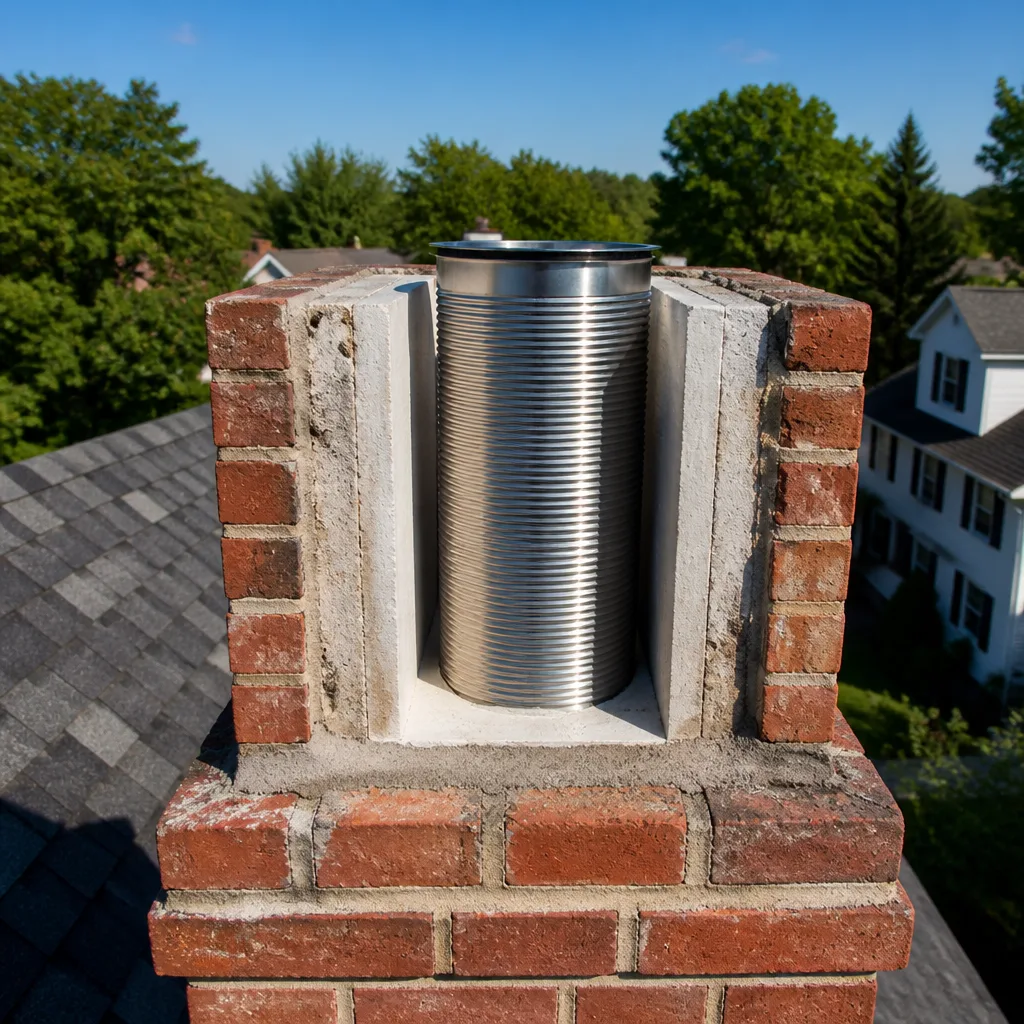 Flue relining
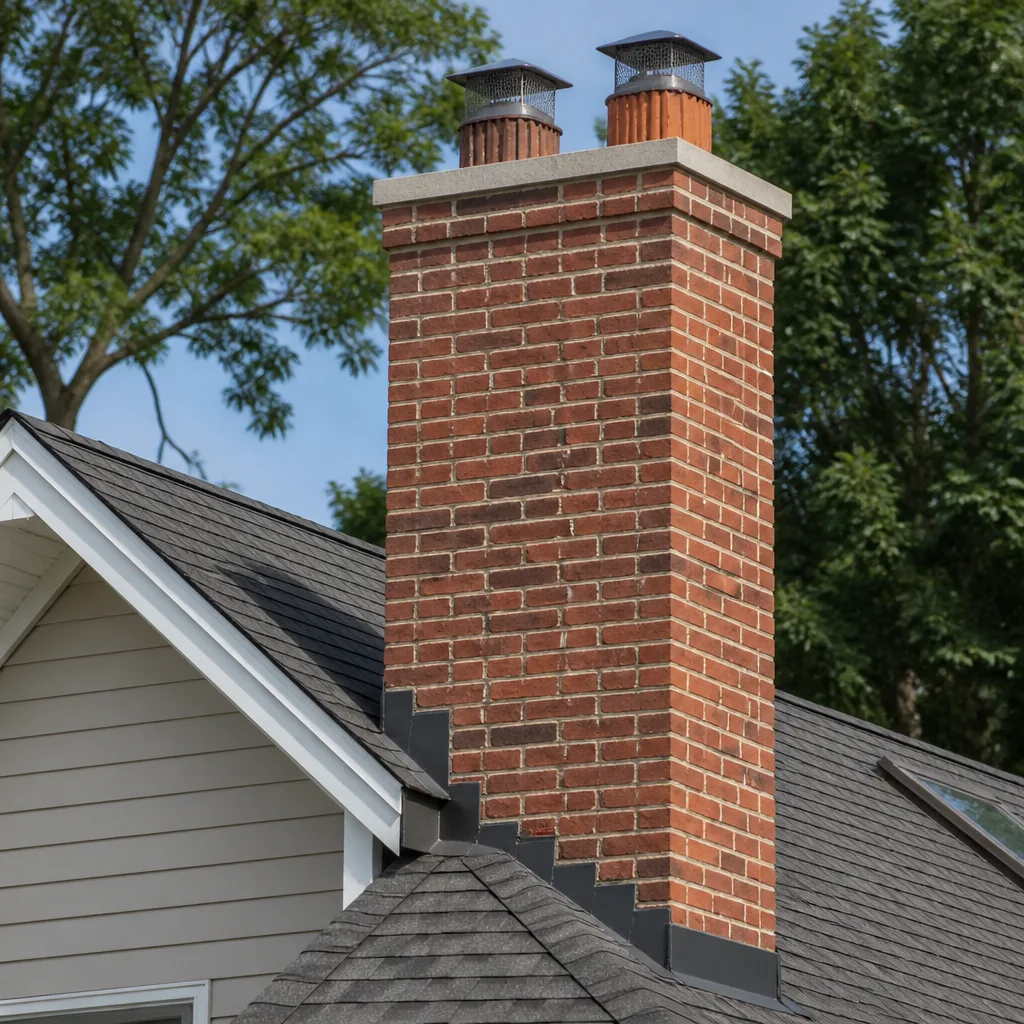 Masonry repair
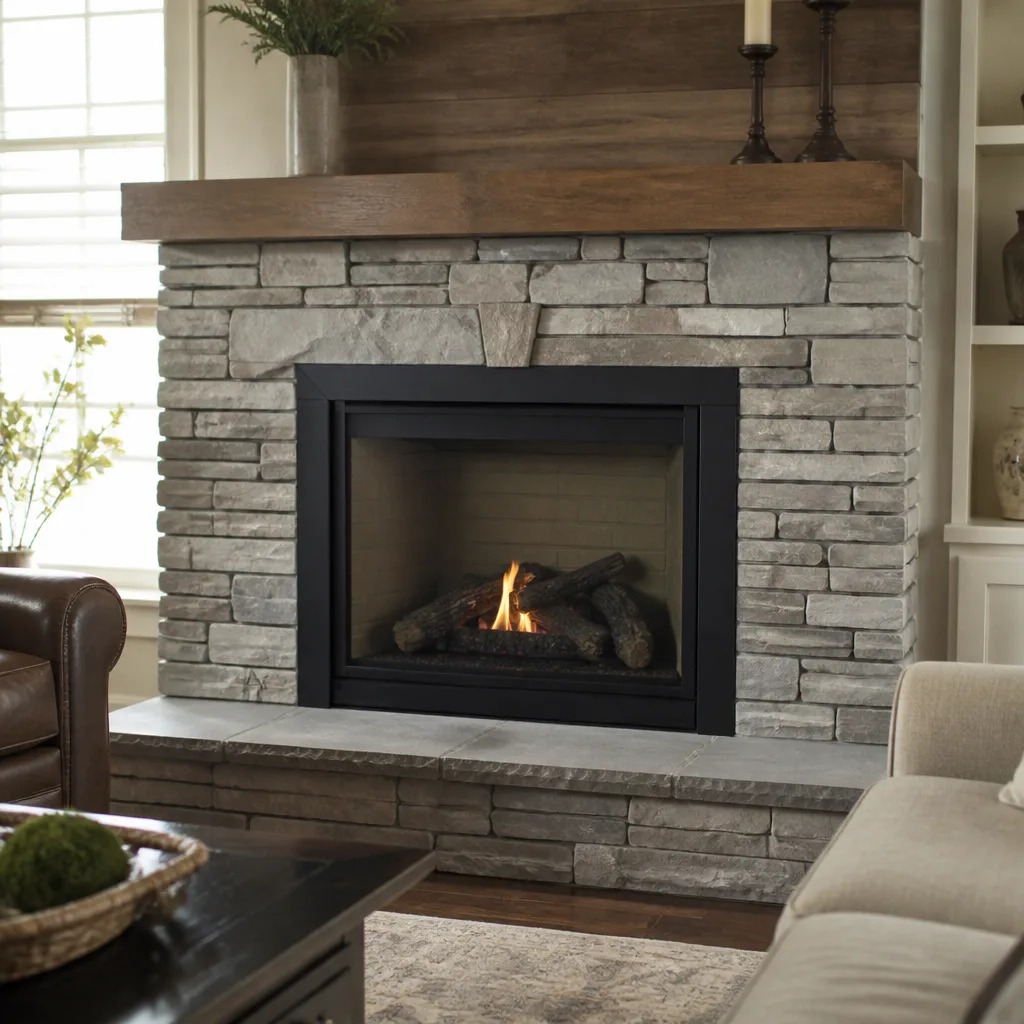 Gas fireplace service
Level 1 sweep and inspection to the NFPA 211 annual standard - flue, crown, cap, and flashing checked and photographed
Chimney sweep logs do not sweep chimneys. They loosen some creosote - which then falls where a brush and vacuum still have to collect it.
Chimney Cleaning Permits, Codes & Inspections in Broomfield, CO: What You Need to Know
Here’s the part that trips people up: if a contractor tells you a liner relining or a smoke chamber rebuild “doesn’t need a permit,” that’s either ignorance or a shortcut that lands on your desk at resale. Chimney cleaning almost never requires a permit, but the repairs and relining that often follow a cleaning usually do. The gap between maintenance and construction work is where unpermitted jobs hide, and Broomfield homeowners carry the liability when they do. In this guide, we’ll walk through which chimney services trigger a permit, how the International Residential Code applies to your chimney system in Colorado, what NFPA 211 inspection levels mean for you, and exactly what to ask a contractor before work starts so your paperwork holds up.
Quick Answer
Routine chimney cleaning in Broomfield does not require a permit, but repairs and upgrades do: liner relining, smoke chamber repair, chase reconstruction, stove or insert installation, and major masonry work all fall under permit requirements enforced by the city. The chimney system itself is governed by IRC Chapter 10 (Chimneys and Vents) as adopted by Colorado jurisdictions, and inspections are defined by NFPA 211, which sets the three inspection levels that apply with or without a permit. Keep reading for the full breakdown.
Styles & brands we work with
- Sweep & inspection
- Caps & crowns
- Flue relining
- Masonry repair
- Gas fireplace service
Table of Contents
- Permit vs. Maintenance: Which Chimney Services Need Approval?
- How IRC Chapter 10 Applies to Chimneys in Colorado
- Local Broomfield Amendments and Enforcement
- NFPA 211 Inspections: Level 1, 2, and 3 Explained
- How Unpermitted Work Affects Insurance Claims
- What to Ask Your Contractor About Permit Status
- Documentation to Keep After the Job
- Chimney Records and Resale in Broomfield
Permit vs. Maintenance: Which Chimney Services Need Approval?
The dividing line is simple once you see it: maintenance restores the system to the way it was, while construction adds something or changes something structural. Chimney sweeping, cap replacement, crown patching, damper adjustment, and minor firebox tuckpointing usually fall on the maintenance side. Anything that creates new construction, changes the venting method, alters the flue, or rebuilds structural masonry usually needs a permit. That distinction matters in Broomfield because the city enforces it and because insurance companies care about it after a fire loss.
Here’s the breakdown of which chimney services commonly need approval and which usually don’t:
| Service | Permit Typically Required? | Why |
|---|---|---|
| Routine chimney sweep and cleaning | No | Maintenance only; no structural change |
| Chimney cap replacement | No | Removable accessory part |
| Crown repair (patching and sealing) | Usually no | Surface repair unless structural rebuild |
| Full crown rebuild | Usually yes | New masonry construction at the top of the flue |
| Chimney liner relining (DuraFlex, gelco, olympia chimney, famco, copperfield, heatshield) | Yes | Change to the flue venting system |
| Smoke chamber repair | Yes | Structural firebox/venting modification |
| Fireplace insert installation | Yes | New appliance and venting connection |
| Chimney chase demolition or rebuild | Yes | Structural work on the chimney envelope |
| Damper replacement (like-for-like) | Usually no | Maintenance of an existing component |
That table is a rule of thumb, not a substitute for a call to Broomfield’s building department. Local enforcement can vary on the margins, especially around firebox repairs and exterior chimney veneers. The safe habit is to ask the contractor to name the permit status in writing before starting. If you’re already past that point and you’re seeing signs of a failing flue, our chimney repair service is where the permit conversation usually starts.
How IRC Chapter 10 Applies to Chimneys in Colorado
Colorado jurisdictions, Broomfield included, base their residential construction code on the International Residential Code. Chapter 10 of the IRC, titled “Chimneys and Vents,” is where the rules for your chimney system live. It covers flue sizing, clearances, masonry and factory-built chimney requirements, lining, venting of gas appliances, and the height rules at the termination point. When a permit is issued for chimney work, it’s IRC Chapter 10 that the inspector uses as the standard during the inspection.
Three sections of Chapter 10 come up again and again on Colorado jobs:
- Flue lining requirements: the IRC requires an approved liner in the flue. When an older masonry chimney has deteriorated clay tile, relining with a listed system is the standard correction. Flexible stainless systems like DuraFlex are built to meet this requirement, and spray-applied methods from HeatShield are a recognized repair approach for certain flue conditions.
- Clearances to combustibles: the IRC specifies minimum clearances between chimney assemblies and framing, insulation, and combustible materials. In tight attic and wall passes, this is where older homes in Broomfield most often fail inspection, and where a smart sweep points it out.
- Termination height: your chimney must extend a defined distance above the roof and above nearby roof surfaces. When additions happen or roof profiles change, the existing chimney can fall out of compliance without anyone realizing it.
Colorado has adopted its own amendments on top of the IRC at the state level, and it’s worth knowing that Colorado’s building code landscape includes elevation-related amendments and green-building overlays for some jurisdictions. What matters locally is Broomfield’s specific adoption, which we cover next. If your system is older and you want a plain answer about whether the flue is compliant, a standard inspection will tell you: chimney sweep and inspection are the starting point, and every finding comes with photo evidence you can see for yourself.
Local Broomfield Amendments and Enforcement
Broomfield’s building codes are administered by the city’s building division, and for chimney work the local rules track the statewide base code with local administrative requirements. In practical terms, that means permits for the work described above are filed with the city, inspections are performed by the city’s inspectors, and the code standard applied is the locally adopted version of the IRC. Older parts of Broomfield, and particularly established neighborhoods where chimneys have gone through decades of freeze-thaw cycles, are where the details matter most because existing conditions rarely match new-build assumptions.
A few local realities shape how code interacts with your chimney in Broomfield:
- Front Range freeze-thaw: the cycle of freezing nights and warm afternoons works on mortar joints and crowns. Cracks that start small become structural within a few seasons, so repair work is common here. That’s why cap and crown repair is such a regular part of our work in Broomfield; the two most common points of water intrusion are the cap and the crown, and both are addressed at the source rather than patched cosmetically.
- Elevation and venting: at Front Range elevation, draft and appliance venting can behave differently than at sea level. Insert conversions and appliance changes need to be reviewed for proper flue sizing under the code, not just installed and left. This is where professional-grade parts from brands like Gelco or Olympia Chimney matter; they’re listed for the application, and the listing is what an inspector checks.
- Wind and hail exposure: Broomfield sees strong wind and hail events, and a loose cap is a common finding. Caps and crowns are technically outside the permit scope unless the crown is rebuilt as new masonry, which is exactly where homeowners get surprised.
Enforcement is complaint-driven and also shows up at point of sale, refinance, or after a fire loss. If you’re unsure whether your specific job requires a permit, the fastest path is to ask the building department directly with your address in hand, and ask your contractor to do the same. A professional will not hesitate. Our chimney sweep broomfield page is where most Broomfield homeowners start if they want a system-level check before any of this comes up.
NFPA 211 Inspections: Level 1, 2, and 3 Explained
NFPA 211 is the national standard for chimneys, fireplaces, vents, and solid-fuel appliances. It defines the three inspection levels that must be used to evaluate your chimney. Which level you need is not a matter of preference; it’s determined by what’s happening with the property. A sweep-only visit may include a Level 1 inspection as part of the service. A sale, a renovation, or a change of appliance legally triggers a Level 2. A Level 3 is triggered by a suspected hidden defect or an event that requires access inside a concealed space. Knowing which one applies to you keeps you from being oversold or undersold.
Here’s how each level works in practice:
- Level 1 Inspection: a visual check of readily accessible portions of the chimney, connected appliance, and venting. It happens during routine sweeping, when the appliance type hasn’t changed. It looks at the firebox, damper, visible flue, cap, crown, and exterior condition. If a Level 1 reveals something suspicious, the standard calls for moving to a Level 2.
- Level 2 Inspection: everything in Level 1 plus accessible areas that require tools, including crawl spaces and attics, and it’s required whenever a property is sold or transferred, when an appliance is changed, after an event (like a chimney fire or a severe weather event) that could have damaged the system, or when a Level 1 reveals a concern. It includes video scanning of the flue interior. This is the inspection a home sale or insert conversion legally calls for.
- Level 3 Inspection: diagnostic access into concealed areas, which can mean opening a wall, removing chimney components, or opening the chase. A Level 3 is only performed when a serious hazard is suspected and a Level 2 can’t answer the question safely. It is not routine and it’s not the default; it’s used when the evidence says a Level 2 didn’t finish the job.
In Broomfield, we see the Level 2 requirement come up most often at the point of sale and when a homeowner switches from a wood-burning fireplace to a gas insert. The cleanout and chimney chase often hide more than the flue shows, and a camera scan is the only way to confirm the liner condition. If you’re buying or selling, treat a Level 2 as a document you want in the file before closing. Our inspection service is available on its own as a standalone appointment, not just as an add-on to a cleaning, and includes camera footage and a photo report.
How Unpermitted Work Affects Insurance Claims
This is the part of the guide that matters most, because the cost of an unpermitted chimney repair shows up longest after the work is done. Homeowner insurance policies typically contain provisions requiring permits and code compliance for structural modifications. After a fire or smoke event involving the chimney, the insurer will investigate the cause. If the investigation finds unpermitted relining, an unlisted insert installation, or smoke chamber work without inspection, the claim can be denied, reduced, or resolved with a reservation of rights, and the homeowner is left holding the difference. Contractors rarely explain this. We do.
The chain is short and it’s predictable:
- Cause investigation: the insurance adjuster looks for the origin and cause. When the chimney is the origin, they look for unpermitted modifications.
- Code compliance: the insurer compares what was installed against what the code requires. A reline without a permit can be flagged as non-compliant even if materials were correct.
- Claim outcome: an unpermitted modification is often a coverage dispute, not a guaranteed denial, but you’re now in a dispute with your own insurer over work you believed was completed correctly.
There’s a second issue at play: even a well-installed liner from a solid brand won’t protect you if it was installed without the inspection that would have caught a clearance problem behind it. Insurers ask for the permit and inspection record, not the invoice, because the inspection record is the proof that a third party verified the work. If you’re ever unsure whether a previous repair was permitted, request the permit history from the city for your address before you rely on the installation in an insurance context.
What to Ask Your Contractor About Permit Status
You don’t need to become a code expert to protect yourself. You need to ask four or five specific questions and get written answers. In our experience, a legitimate chimney contractor will answer these without flinching and without deflecting. A contractor who resists the permit conversation is telling you something, and it’s not good news for you as the property owner.
Ask these questions before any chimney repair begins in Broomfield:
- “Does this job require a permit under Broomfield’s code?” Get a yes or no, in writing, plus the reason for that answer. If the contractor says no, ask which code section or allowance supports it.
- “Who pulls the permit?” The licensed contractor of record should be the one pulling it. If a homeowner is asked to pull their own permit for a chimney repair, get that in writing and understand what it means for warranty and liability.
- “Will the city inspect the finished work, and will I get the record?” The answer should be yes. If your jurisdiction requires final inspection, ask when it’s scheduled and confirm you’ll receive the signed-off record.
- “Are the materials listed for this application?” Brands like DuraFlex, HeatShield, Gelco, and Olympia Chimney make listed systems, and the listing references code compliance. Ask for the product data on what will be installed.
- “What inspection level does this project trigger under NFPA 211?” If the answer is “we don’t get into that,” be cautious. It’s a core part of the standard, not an optional extra.
- “Will I get a written report and photo record of what you found?” The answer should be yes, especially if camera inspection was performed. A report is your evidence base for both insurance and resale.
One good habit: keep the conversation in writing. Ask for the estimate with the scope, the permit status, and the inspection level spelled out. It costs nothing to insist on that, and it tells you exactly who you’re dealing with. Our team at Chimney Sweep Broomfield puts this in writing on every estimate. For broader context on what repair work involves, our fireplace repair page covers how we scope firebox and hearth work.
Documentation to Keep After the Job
Once the work is completed, the paperwork you keep matters more than most homeowners realize. The right file protects you at insurance renewal, at resale, and if a future inspector asks how the lining was installed. Good documentation takes five minutes to organize and can save you a long argument years later. In our experience, the homeowners who never have insurance or resale problems are the ones who kept a simple chimney file.
Keep these documents together, either in a paper file or in a cloud folder you can find quickly:
- Permit number and final inspection record from Broomfield’s building division, including the inspector’s sign-off. If a final inspection isn’t required for the work, keep the permit application confirming the scope.
- Written estimate and invoice from the contractor, with the scope stated in plain language and the brand or product identified.
- Inspection report at the correct NFPA 211 level, with the photo and video record if the inspection was camera-based.
- Product data sheets for the liner or repair materials used (DuraFlex, HeatShield, famco, or chimney sweep broomfield approved equivalents). The listing is the code reference.
- Photographs of the finished work, including the crown, cap, and any visible liner at the top.
- Any manufacturer’s installation instructions provided with the product, which often specify clearances that an inspector will check against.
Combine that file with a copy of the most recent Level 2 report if you’ve had one. When you list the property for sale, you can hand a buyer the whole history and skip the inspection scramble. Our chimney repair includes a photo report as standard so you never have to reconstruct what happened after the fact.
Chimney Records and Resale in Broomfield
When you sell a home in Broomfield, the chimney system becomes a document question, not just a physical one. Buyers and their inspectors ask for the most recent Level 2 inspection, the permits and final inspections for any structural chimney work, and evidence of any appliance change. If you’re selling a home with a wood-burning fireplace, the lack of a Level 2 report is one of the first things a buyer’s inspector flags, and it can be handled either as a price negotiation or as a full-chimney contingency. Having the paperwork ready short-circuits that fight.
On the buying side, in older established neighborhoods and around the Broomfield residential core, the risk runs the other direction. A prior homeowner may have had a liner installed by a handyman, or capped a flue improperly, or converted a fireplace without the venting review the code requires. When you’re buying in Broomfield, ask for the permit history at the address, not just the disclosure. A Level 2 inspection gives you the ground truth inside the flue. That’s a small cost that prevents a larger surprise after closing, and if the seller’s documentation is thin, it’s reasonable to ask them to correct that before you sign.
One more layer: condos and townhomes in Broomfield sometimes have shared chimney structures. In those cases, the HOA may have its own documentation requirements for chimney work, and the permit record may be held at a different level. If your home shares a chimney stack, ask both the HOA and the city. The line between what’s your responsibility and what’s the association’s is rarely spelled out clearly, and it’s better to sort that out before repair work begins. Our chimney sweep inspection service can pinpoint which parts of the system belong to your unit versus the shared structure so you’re not paying for the wrong scope.
Common Mistakes to Avoid
- Assuming “no permit needed” is a favor. A contractor who skips the permit to save you a step is shifting risk onto you. The permit and inspection record is your evidence at insurance and resale, and it doesn’t cost much to have it done right.
- Skipping the Level 2 inspection at sale or appliance change. A buyer’s inspector will ask for it, and an installer who doesn’t insist on one when converting to an insert is bypassing the standard. Ask for a Level 2 anytime the property changes hands or the appliance changes.
- Treating a sweep visit as a code review. A standard sweep confirms the flue is clean. It doesn’t certify that the flue is compliant with the code, that clearances are met, or that the liner is listed for the appliance. Ask what was actually evaluated and at what level.
- Watching the crown go bad and ignoring it. In Broomfield’s freeze-thaw cycle, a cracked crown lets water into the chimney structure every winter. This is the source of water intrusion on most jobs we see, and the repair cost grows every season you wait.
- Getting a quote with no written scope or permit status. A price without scope is meaningless for comparison. Insist on a written estimate that names the materials and states the permit and inspection position.
- Losing the paperwork after the job. The report, permit sign-off, and product data are the property’s chimney history. If they aren’t in a file, they don’t exist when you need them most.
- Letting a contractor tell you the liner is beyond saving without evidence. You can ask to see the camera footage. A contractor who can’t show the condition of the flue you’re being quoted thousands of dollars to reline is a contractor you should not hire.
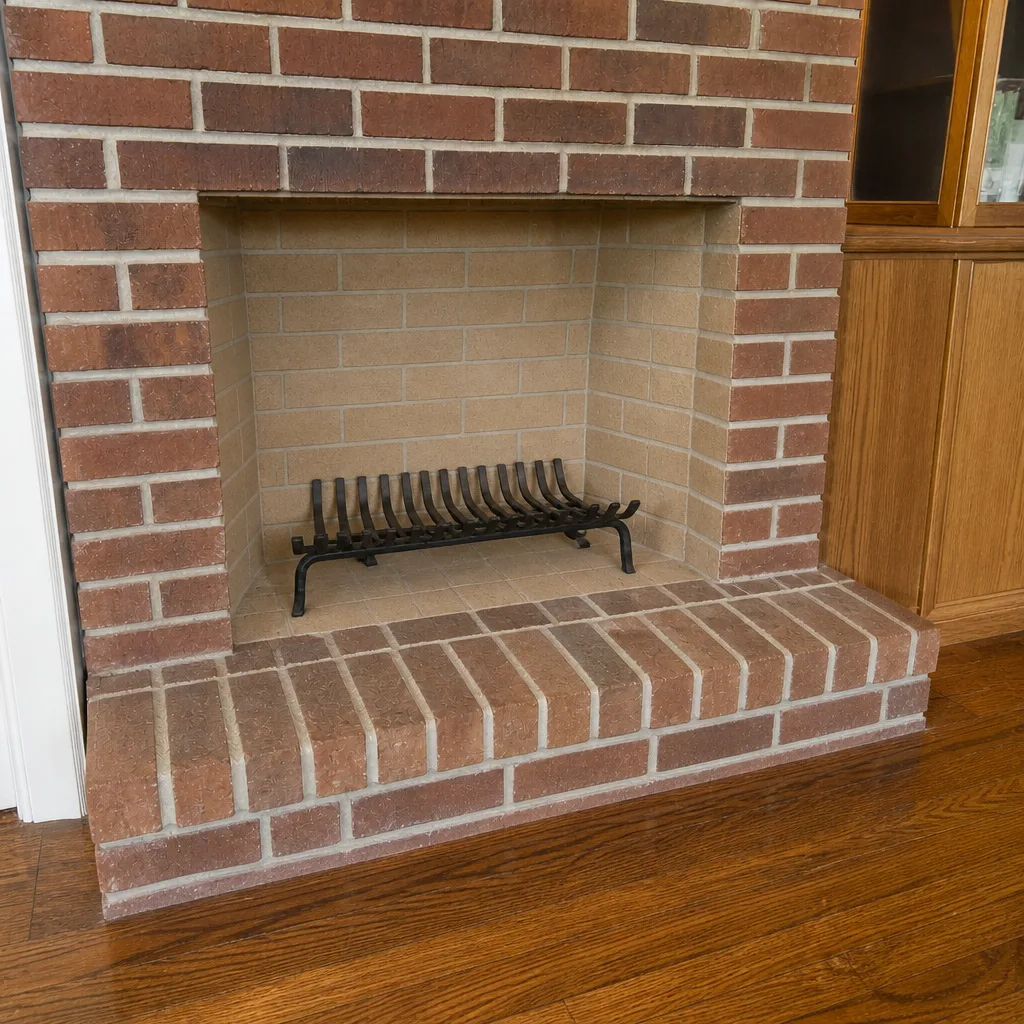
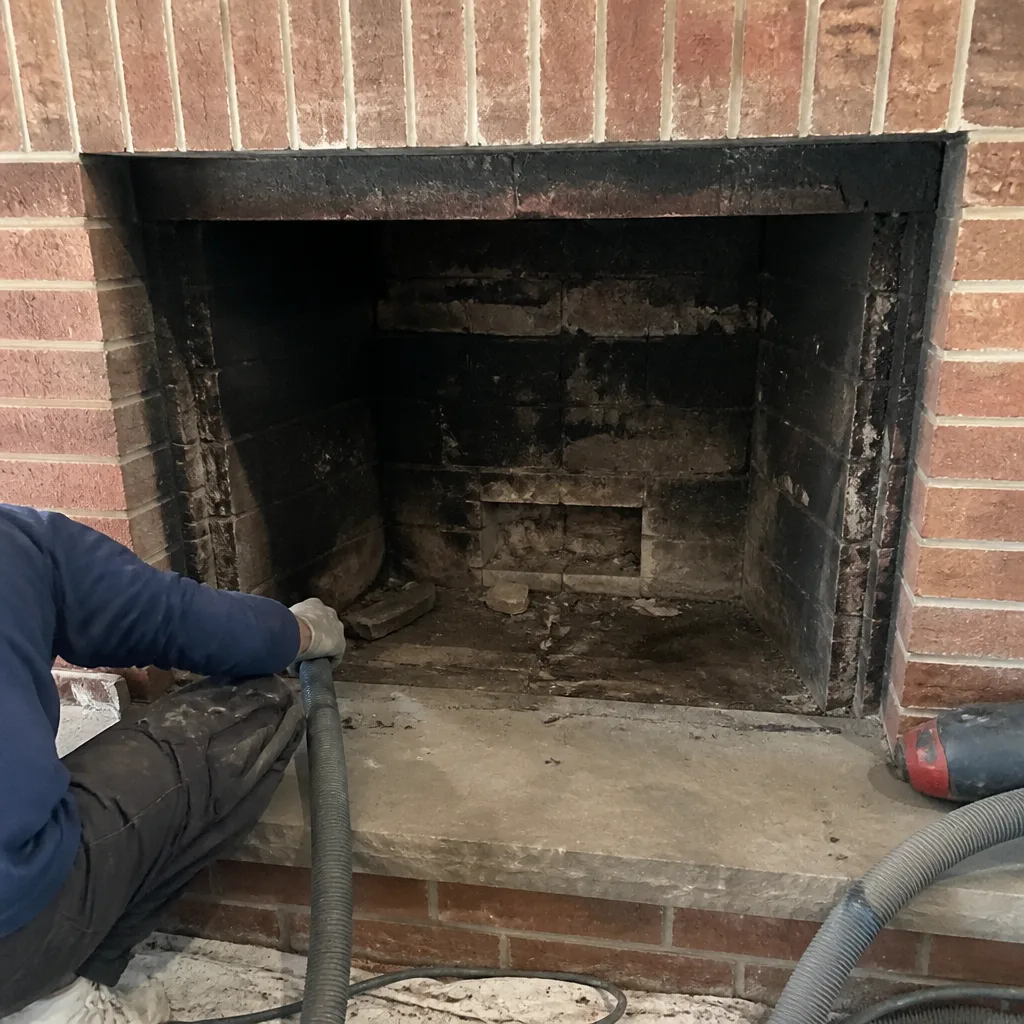
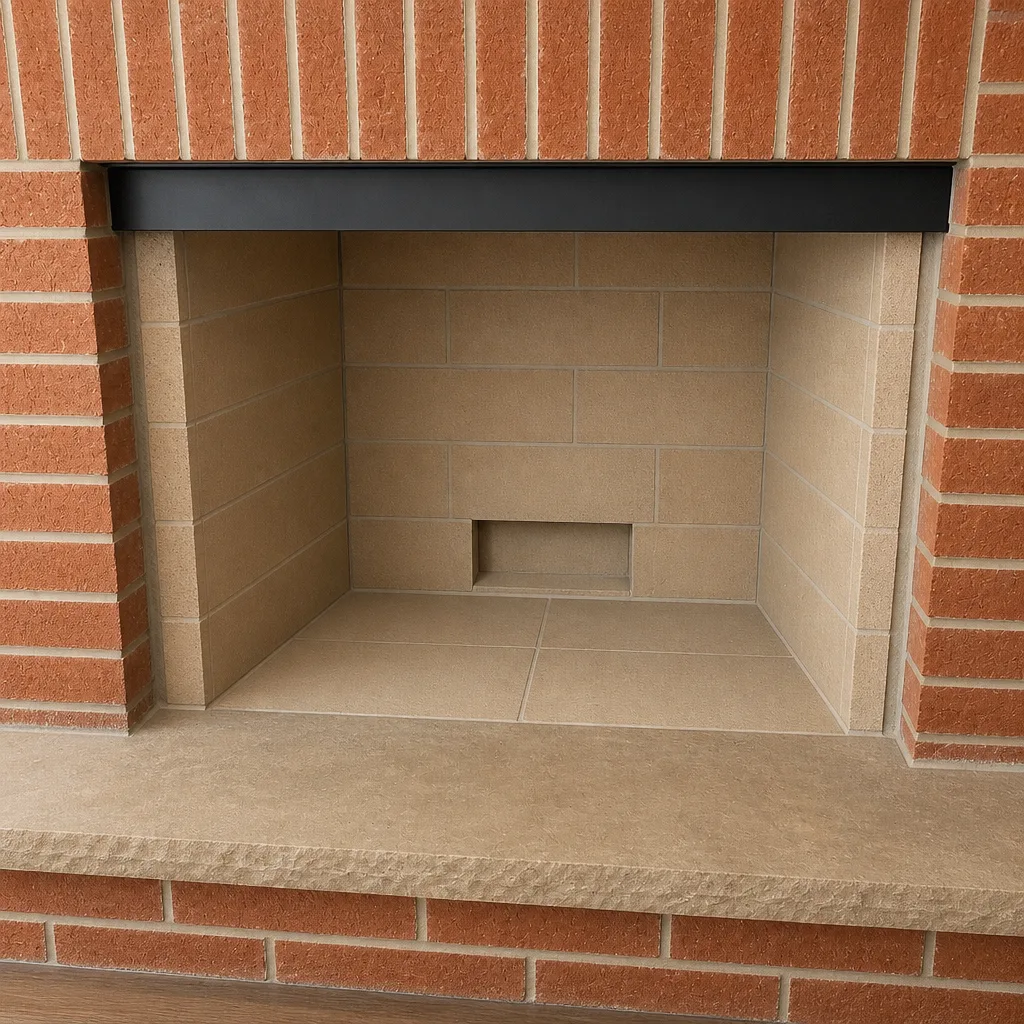
See the difference
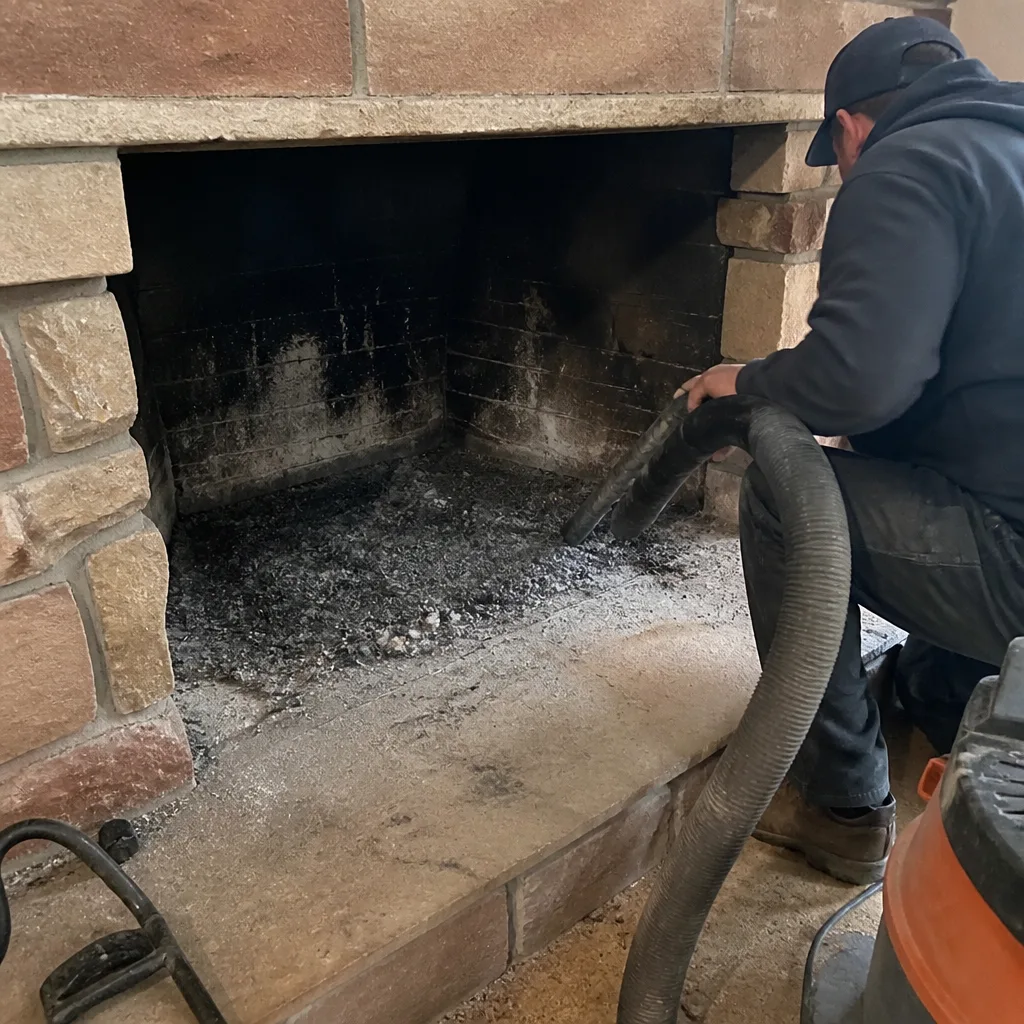 Before
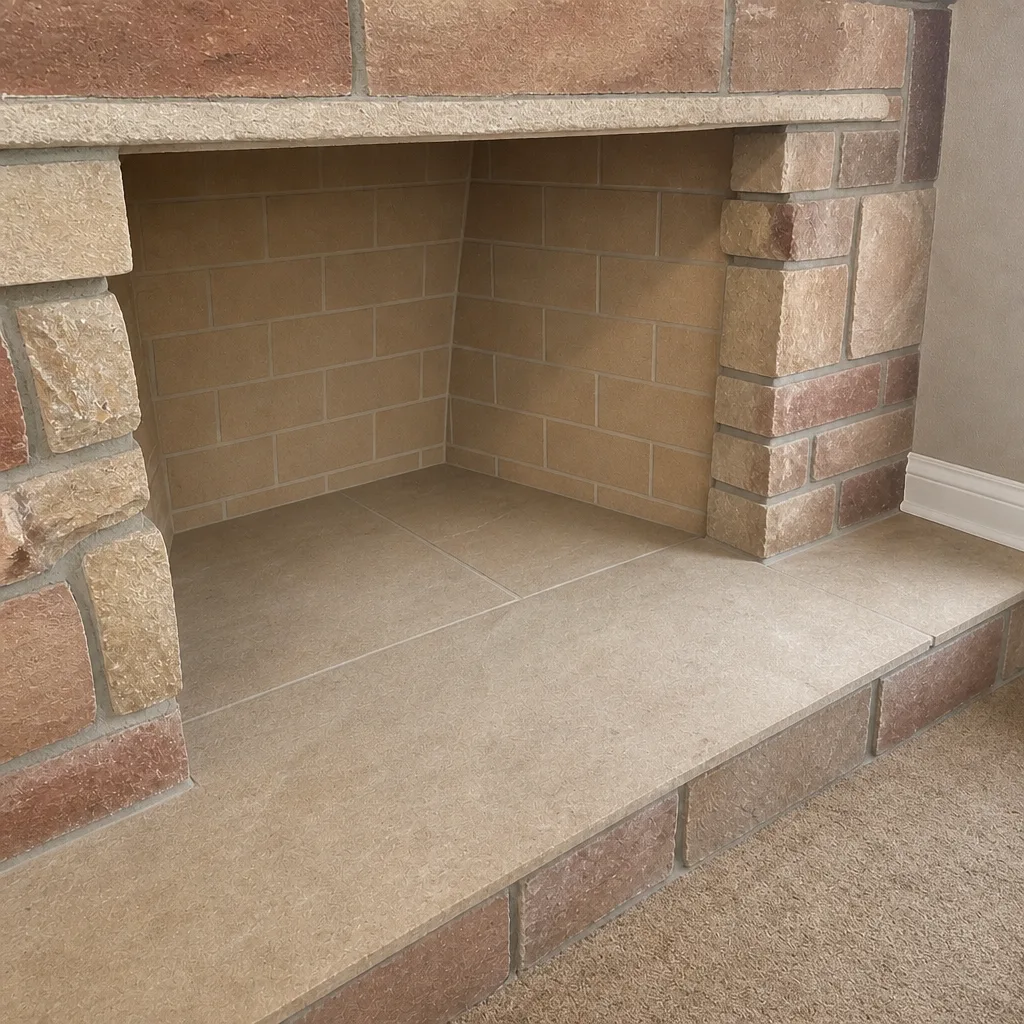 After
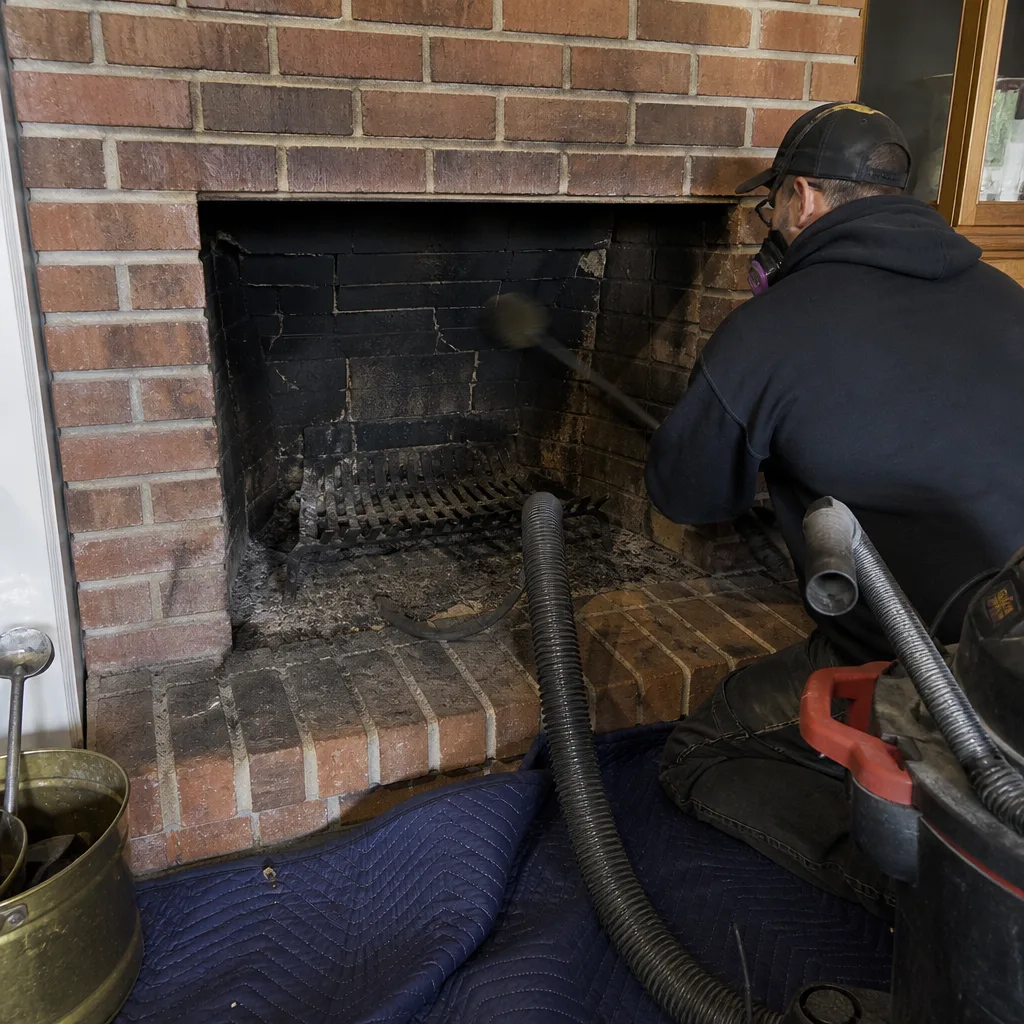 Before
 After
 Before
 After
When to Call a Professional
Call a chimney professional when you see signs of moisture or rust in the firebox, when the crown is cracked or the cap has come loose after a wind or hail event, or when the fire backs up and smoke enters the room. Call when you’re buying or selling a Broomfield home and the chimney history isn’t documented, or when you’re replacing a wood-burning appliance with a gas insert, because that change triggers a Level 2 inspection and potentially a permit. Call when a technician you’ve hired can’t show you a camera report of the flue before recommending relining, and when you want a straightforward answer about whether the work your chimney needs is maintenance or construction.
Chimney Sweep Broomfield offers free estimates in Broomfield. Our technicians have up to 8 years of experience, and we work with professional-grade brands like HeatShield, DuraFlex, Gelco, Olympia Chimney, Famco, and Copperfield. Call (833) 513-8675. We answer 24/7. Fast dispatch from 7am to 7pm, Sunday through Friday.
Frequently Asked Questions
No, routine chimney cleaning does not require a permit in Broomfield; it’s maintenance, not construction. But the repairs commonly recommended after a cleaning, particularly liner relining, smoke chamber repair, chimney chase work, and insert installation, do require permits. Before you authorize repair work, ask the contractor for the permit status in writing. Call (833) 513-8675 for a free estimate.
Chimney repairs that alter the flue venting system or involve structural work generally need a permit: relining with DuraFlex or HeatShield, smoke chamber rebuilding, full crown reconstruction, chase demolition or rebuilding, and fireplace insert installation. Chimney caps, damper replacement, and crown patching usually do not. When in doubt, ask Broomfield’s building division with your address, and ask your contractor to do the same. Call (833) 513-8675 for guidance on your specific job.
NFPA 211 defines three inspection levels. Level 1 is a visual check during routine appliance use; Level 2 adds accessible interior and exterior inspection plus video scanning of the flue and applies at sale or appliance change; Level 3 is diagnostic access into concealed spaces when a serious hazard is suspected. A Level 2 is the one most Broomfield homeowners need at sale or insert conversion. Call (833) 513-8675 for a free estimate.
Unpermitted work can affect a claim; it isn’t an automatic void, but it can result in a denial, a reduced payout, or a coverage dispute after a fire. Insurers investigate the cause and compare it against permits and code compliance. The safe path is to permit and inspect the work; the documentation protects you if you ever need to claim. Call (833) 513-8675 for a free estimate.
The standard rule is that a chimney should be swept and inspected at least annually for most households, and more often if you burn frequently or use the fireplace as a primary heat source. Broomfield’s freeze-thaw winters and frequent wind and hail events also argue for an annual visual check of the crown and cap, even when the flue itself doesn’t need cleaning. Call (833) 513-8675 for a free estimate.
Keep the permit number and final inspection record, the written estimate and invoice with the scope, the inspection report at the correct NFPA 211 level with camera footage and photos, and product data for the materials used. Combine these into a single chimney file you can produce at insurance renewal or resale. Call (833) 513-8675 for a free estimate.
The Bottom Line
Chimney cleaning itself is maintenance and doesn’t need a permit. The repairs and relining that often follow a cleaning do, and that’s where homeowners get caught by unpermitted work, insurance disputes, and resale complications. The chimney system is governed by IRC Chapter 10 as adopted locally by Broomfield, inspections are defined by NFPA 211, and any change of appliance or sale of the property should come with a Level 2 inspection. Ask four questions before any repair starts: does this need a permit, who pulls it, what inspection level applies, and what documentation will I receive. Keep the answer in writing. A clean chimney is the starting point; a documented chimney is the one that holds its value.
Chimney Sweep Broomfield handles the full system: sweep, inspection, fireplace repair, chimney repair, and cap and crown work. We inspect it, we repair it, and the same team carries the standard from the camera report to the final walk-through. Cap, crown, liner, firebox: we service the visible part and the part you can’t see. Call (833) 513-8675 for a free estimate. We answer 24/7, with fast dispatch from 7am to 7pm, Sunday through Friday.
Written by the team at Chimney Sweep Broomfield.